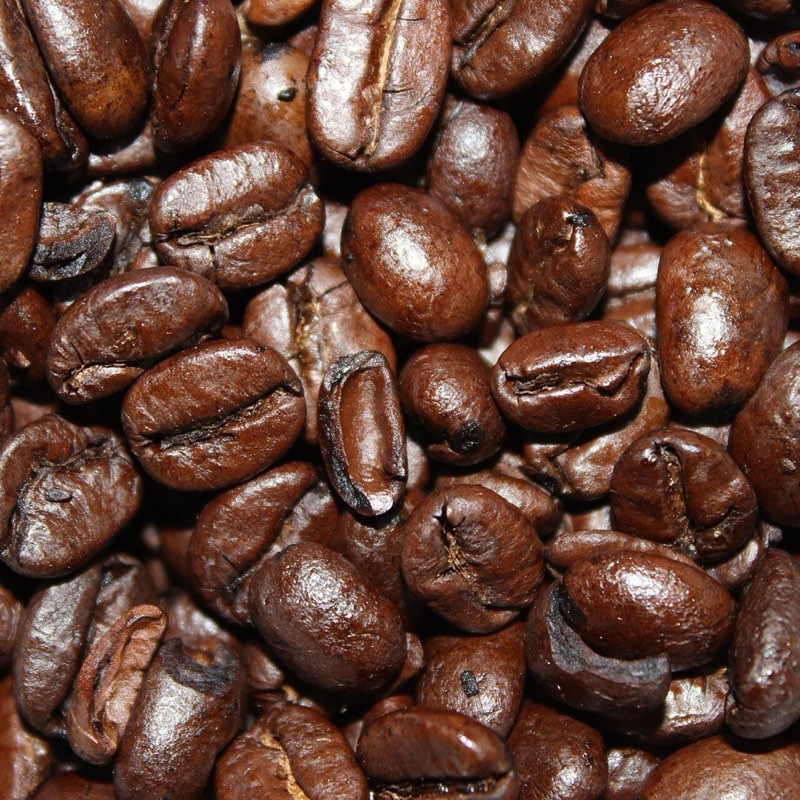
What is a house blend?
A house blend is the signature coffee a café serves every day, usually in espresso and milk drinks. It combines two to four coffees chosen for flavour, consistency and cost, so every cup tastes familiar. A good house blend is forgiving to brew, works in milk, and can be reproduced season after season even as individual crops change. See espresso Arabica for how blends are designed.
Build the blend from roles
| Role | What it does | Typical coffees |
|---|---|---|
| Base (50–70%) | Sweetness, body and chocolate or nut | Brazil, Latin American. See Brazil and Latin American roasting |
| Lift (20–40%) | Acidity, fruit and clarity | Colombia, Guatemala, Ethiopia. See Colombia coffee beans and Guatemala coffee beans |
| Texture (0–20%) | Crema, body and strength | A small Robusta share. See Robusta in espresso blends |
| Feature (optional) | Seasonal interest | Small lot of a special coffee |
Keep the blend simple: more components mean more things that can change.
Arabica and Robusta: how much of each?
Specialty-leaning blends use little or no Robusta, milk-focused blends often use roughly 5–20%, and traditional blends use more. Robusta adds crema, body and caffeine, but too much brings bitterness. Test in 2–3% steps. Choose clean, well-graded Robusta: see Robusta grading, fine Robusta and Arabica vs Robusta.
Flavour, cost and supply: balance all three
| Check | Question to ask |
|---|---|
| Flavour | Does it taste good straight and in milk? |
| Cost | Is the cost per cup within your target? See café menu costing |
| Consistency | Can we reproduce it every week? |
| Supply | Can we get these coffees all year, and replace one if needed? |
| Roast | Does each component roast well to the planned level? |
A great blend that you cannot source or afford is not a great blend.
How to test and decide
- 1. Shortlist two to four coffees from samples. See green coffee sample packs.
- 2. Roast each sample consistently. See sample roasting for cupping.
- 3. Cup each coffee alone, then build two or three blend versions.
- 4. Dial in each blend as espresso and taste straight and in milk. See espresso troubleshooting.
- 5. Taste blind with your team and a few customers.
- 6. Cost each version and check supply.
- 7. Choose the winner and write down the exact recipe.
Pre-roast or post-roast blending?
You can blend green beans before roasting (simpler) or blend roasted coffees (more control). Components of different density, such as Arabica and Robusta, often work better blended after roasting. See pre-roast vs post-roast blending and how to roast Robusta.
Keeping your house blend consistent
- Write the recipe with percentages, roast level and roast date.
- Keep a sealed reference sample and compare every batch.
- Re-cup new crops and adjust the ratio if needed.
- Plan stock so you do not run out of a component.
- Train baristas to dial in daily.
Where to source the coffees
Cafés that roast in-house or use contract roasters need dependable green coffee. Scofi supplies unroasted Arabica and Robusta from Butterworth, Penang, with samples and specs, depending on availability. See green coffee for cafés and hotels, private label and OEM roasting, buy green coffee beans online and how to buy.
FAQ: Choosing a house blend
What is a house blend?
A café’s signature coffee made from two to four coffees chosen for flavour, consistency and cost.
How many coffees should be in a blend?
Usually two to four. More components make consistency harder.
Should I use Robusta in a house blend?
A small share can add crema and body, especially for milk drinks; test it and watch quality.
What roast level is best for a house blend?
Often medium to medium-dark for milk drinks, but it depends on your menu.
How do I keep a blend consistent?
Write the recipe, keep reference samples and check each batch.
Should I blend before or after roasting?
Both work. After roasting gives more control. See pre vs post-roast blending.
How do I cost a blend?
Work out the weighted cost per kilogram and then the cost per cup. See café menu costing.
Where can I get samples for a blend?
Contact Scofi with your menu and volume.
