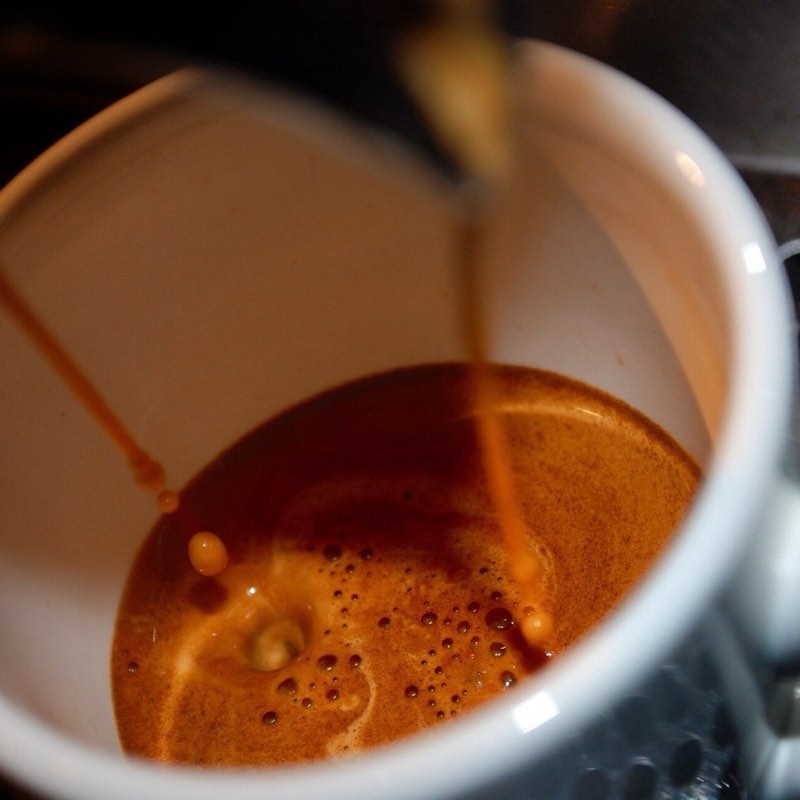
Why put Robusta in an espresso blend?
Roasters add Robusta to espresso for specific reasons:
- Crema: thicker, longer-lasting crema.
- Body and texture: a heavier mouthfeel that holds up in milk.
- Strength and caffeine: a more powerful cup.
- Cost balance: a lower-cost component in a quality blend.
Many traditional Italian-style blends use it, and so do many Malaysian milk-based blends. See Arabica vs Robusta and espresso Arabica.
How much Robusta is typical?
| Blend style | Typical Robusta share | Goal |
|---|---|---|
| Specialty, Arabica-led | 0–10% | Sweetness and clarity, a little crema |
| Milk-focused café espresso | About 5–20% | Body, crema and milk cut-through |
| Traditional or value blends | About 20–40% or more | Strength, crema and cost |
| Kopi and traditional coffee | Robusta-led | Bold, bitter, sweetened. See kopitiam coffee |
There is no right number. It depends on your Arabica, your Robusta, your roast and your customers.
What Robusta changes in the cup
| Robusta share | Likely effect |
|---|---|
| Low (5–10%) | More crema and body, little change in flavour |
| Medium (10–20%) | Noticeable body and bitterness; good in milk |
| High (30%+) | Dominant bitterness, harsher notes; less sweetness |
Robusta also adds caffeine. See caffeine content and roast level and caffeine.
How to test Robusta ratios step by step
- Start from your Arabica base with no Robusta.
- Add Robusta in 2–3% steps (for example 5%, 8%, 10%).
- Dial in each version to a similar extraction time and taste ratio.
- Taste straight and in milk, because milk changes what matters.
- Check crema, sweetness, bitterness and aftertaste.
- Record your results and choose the lowest ratio that gives the benefit you want.
Choosing the Robusta for the blend
Quality matters more as the share rises. Cleaner, better-graded Robusta lets you use more without harshness. Compare origins: Indonesia Robusta, Vietnam Robusta and India, Uganda and Indonesia. Consider fine Robusta for premium blends and check Robusta grading.
Roasting and blending method
Robusta is denser and roasts differently from Arabica, so many roasters blend after roasting so each coffee reaches its best profile, though pre-roast blending is simpler. See pre-roast vs post-roast blending, how to roast Robusta and espresso roast vs filter roast.
When Robusta is too much
Signs you have added too much or poor-quality Robusta:
- Rubbery or burnt bitterness that does not fade.
- Flat sweetness and loss of Arabica character.
- Harsh aftertaste, especially in black espresso.
Reduce the share, upgrade the Robusta or adjust the roast. See roast defects 101.
Buying Robusta for espresso blends
Ask for grade, screen size, moisture and a sample, and test the blend before volume. See green coffee sample packs and Indonesia Robusta price in Malaysia. Scofi supplies green Arabica and Robusta from Butterworth, Penang, depending on availability. See buy green coffee beans online.
FAQ: Robusta in espresso blends
How much Robusta should I put in espresso?
Often 5–20% for milk blends; specialty blends use less and traditional blends more. Test to find your balance.
Does Robusta improve crema?
Yes, it generally produces thicker, longer-lasting crema.
Does Robusta make espresso bitter?
A high share can. Quality and roast matter, and small shares add body without much bitterness.
Does Robusta add caffeine to espresso?
Yes. Robusta contains roughly twice the caffeine of Arabica.
Should I blend Robusta before or after roasting?
Both work. After roasting gives more control. See pre-roast vs post-roast blending.
Which Robusta is best for espresso?
Clean, well-graded lots. Test Indonesian, Vietnamese, Indian and Ugandan samples.
Is Robusta bad for specialty espresso?
Not necessarily; fine Robusta can add value in small shares. See fine Robusta.
Can Scofi supply Robusta for blends?
Depending on availability, yes. Contact us.
