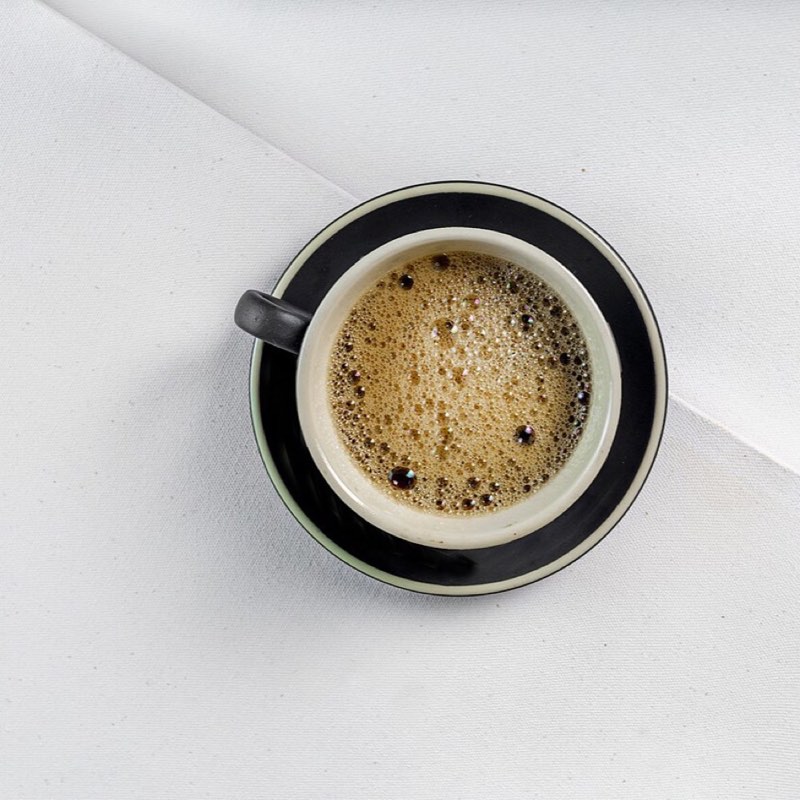
What makes a good espresso bean?
Espresso is concentrated, so flaws and strengths show up quickly. Good espresso beans should be:
- Sweet: chocolate, caramel or nut notes that balance bitterness.
- Balanced: neither too sharp nor too flat.
- Heavy enough in body to stand up to milk.
- Consistent from batch to batch.
- Forgiving: easy to dial in each day in Malaysia's humidity.
Most café espresso blends mix two to four components, each with a role. Read the house blend guide.
Best origins for espresso blends
| Origin | Role in a blend | Typical cup | Guide |
|---|---|---|---|
| Brazil (Santos, Mogiana, natural) | Sweet, low-acid base | Nutty, chocolate, caramel | Brazil, Santos |
| Honduras | Sweet, balanced base | Caramel, cocoa, soft fruit | Honduras |
| Peru | Mild, sweet component | Nutty, soft | Peru |
| Colombia | Balanced, fruity | Caramel, red fruit | Colombia |
| Guatemala | Brightness and complexity | Cocoa, spice, citrus | Guatemala |
| Ethiopia (washed or natural) | Aromatic accent in small share | Floral, fruity | Ethiopia |
| Indonesia (Sumatra) | Body and earthiness | Earthy, spicy | Gayo Arabica |
| Robusta (Indonesia, Vietnam) | Crema, body, cost | Bold, nutty | Robusta |
Blend ratio examples
| Style | Example split | Result |
|---|---|---|
| Balanced café espresso | 70% Brazil or Honduras, 30% Colombia or Guatemala | Sweet, chocolate, some acidity |
| Milk-drink focus | 60% Santos, 20% Honduras, 20% Robusta | Rich, bold, cost-effective |
| Strong Malaysian style | 50% Arabica, 50% Robusta | Heavy body, thick crema |
| Specialty-leaning | 100% Arabica, two or three origins | Bright, aromatic, less crema |
Use the blend cost calculator to cost each version, and read Robusta in espresso blends.
Beans Scofi lists that suit espresso
Scofi lists several Arabica lots that fit espresso blends. For example, a Brazil Santos SC 17/18 and a Brazil Mogiana SC 17/18 offer a smooth, nutty base, while a Honduras HG EP San Marcos gives clean sweetness and a Honduras SHG Montecillos adds clarity. Listings change with the crop, so check the product pages and contact Scofi for samples.
Roast level for espresso
Medium to medium-dark roasts are easiest, because they produce enough sweetness, develop body and lower harsh acidity. Very light roasts can taste sharp in milk and need more skill. Very dark roasts taste bitter and flat. A development time of about 15–20% of roast time and a rest of 4–10 days is a common starting point. See espresso roast vs filter roast, roasting levels and resting roasted coffee.
How to test espresso beans before buying
1. Ask for a sample of each candidate lot. 2. Roast to your espresso profile and rest. 3. Taste each coffee as a straight shot and in milk. 4. Compare with your current coffee, blind if possible. 5. Check consistency over several days. 6. Score with the cupping score sheet. 7. Cost the winning blend with real quotes. Pick the coffee that tastes best in your own drinks, not only the highest cup score.
Espresso for Malaysian customers
Many Malaysian customers drink espresso with milk, ice and syrup, so body, sweetness and a roasty, chocolatey profile matter more than delicate acidity. Robusta in the blend can help in iced and milk drinks. See Malaysia coffee culture and café menu costing.
FAQ: Best coffee beans for espresso
What are the best coffee beans for espresso?
A blend with a sweet Arabica base (Brazil, Honduras, Peru), a brighter Arabica for aroma and sometimes some Robusta for crema and body.
Is Arabica or Robusta better for espresso?
Both can work. Arabica gives sweetness and aroma, Robusta adds crema and body. Many cafés blend them. See Arabica vs Robusta.
What roast level is best for espresso?
Medium to medium-dark, rested for several days.
Which origin is best for espresso?
Brazil is a classic base, with Honduras, Colombia and Guatemala as popular partners.
How much Robusta should I put in espresso?
Many roasters test around 10–30%, depending on taste and budget.
Can I use single origin for espresso?
Yes. Many single origins work well, particularly Brazil, Colombia and Honduras. Dial in carefully.
How do I choose beans for milk drinks?
Choose a sweet, chocolatey, low-acid blend with a heavier body.
Where can I buy green coffee for an espresso blend in Malaysia?
Scofi supplies unroasted Arabica and Robusta, depending on availability. Request a quotation.
