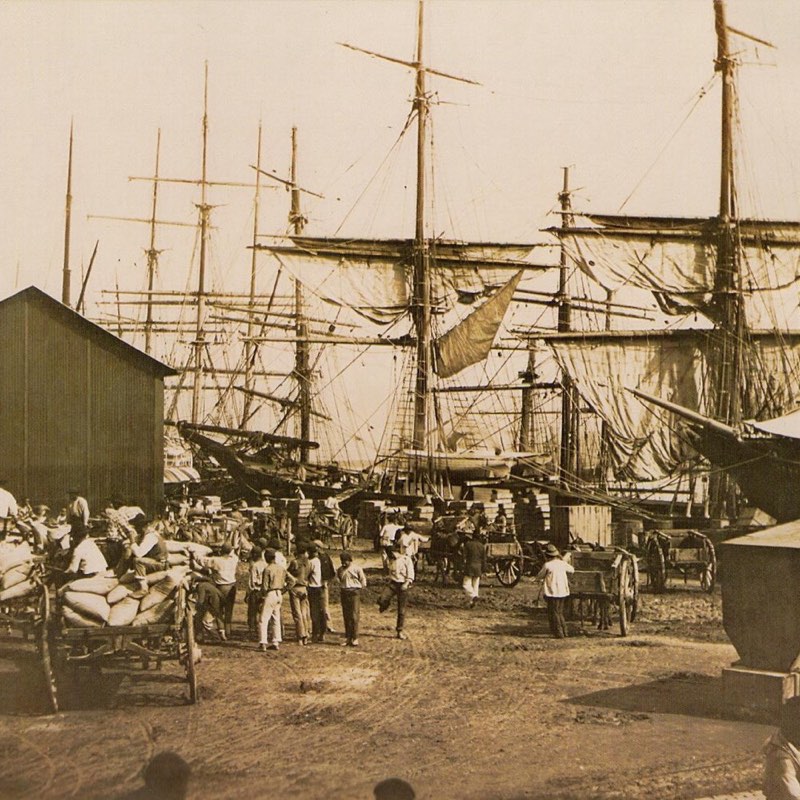
What does Santos mean?
Santos is the name of Brazil's main coffee port in São Paulo state, and "Brazil Santos" became a trade name for a style of smooth, low-acid Brazilian Arabica. Today the term is used loosely, so always ask for the farm region, crop year and process. Read the origin overview in our Brazil coffee beans guide.
How to read a Brazil Santos offer
A typical offer line reads like "Brazil Santos NY 2, screen 17/18, strictly soft". Each part tells you something.
| Part | Example | What it tells you |
|---|---|---|
| Defect grade | NY 2 | Fewer defects in a 300 g sample (lower number is cleaner) |
| Screen size | 17/18 | Bean size: most beans retained on screen 17 and 18 |
| Cup class | Strictly soft, soft | Smoothness; "hard" or "rio" taste is an off-flavour |
| Process | Natural, pulped natural | Shapes sweetness and body |
| Crop year | 2025/26 | Freshness |
Definitions vary by exporter, so confirm them in writing. See grading standards and defect detection.
Santos flavour profile
Santos is usually nutty, chocolatey, sweet and smooth, with low acidity and a medium to heavy body. Naturals add dried fruit. This is why Santos is a common base for espresso and milk drinks. Compare with Colombia and Honduras if you want more acidity.
Roasting and blending Santos
Santos suits medium to medium-dark roasts. It is dense enough to handle heat and holds up in milk. Blend it with a brighter coffee for acidity or with Robusta for crema, and cost the blend with our blend cost calculator. Read how to roast Brazil coffee.
How to buy Brazil Santos in Malaysia
1. Pick the grade (for example NY 2) and screen size. 2. Confirm the cup class and process. 3. Write a spec. 4. Request a sample and cup it. 5. Check packing and delivery. See packaging options. Scofi can discuss Brazilian Santos lots, depending on availability. Request a quotation.
Santos in context: Brazil's grading system
Brazil uses its own classification system, and the Santos name sits on top of it. A typical offer line combines several parts.
- Type or grade (NY 2, NY 3, NY 4): a defect count, where lower numbers mean fewer defects in a 300 g sample.
- Screen size (for example 17/18, 16/17): the size of the bean.
- Cup class (for example Strictly Soft, Soft, Softish, Hard, Rioy): how smooth the cup is. Strictly Soft is the smoothest and the most valued.
- Process: natural, pulped natural or washed.
- Preparation: flat beans versus peaberries (called "moka" in Brazil).
Ask for each element in writing. A cheap offer might be a higher defect grade or a harder cup class, which changes the result in the cup.
Brazil Santos lots Scofi lists
Scofi lists several Brazilian Arabica lots. These include Brazil Santos Maritaca SC 17/18, a Santos-style lot sized to screen 17/18, Brazil Mogiana SC 17/18 from the Mogiana region, and Brazil Natural Solinho Do Sul, a natural lot listed as a new arrival. Listings change with the crop and with stock, so check each page for what is current and contact Scofi for samples and a quotation.
Natural, pulped natural and washed Brazilian coffee
| Process | How it works | Typical cup |
|---|---|---|
| Natural | Whole cherries dried, then hulled | Heavy body, chocolate, dried fruit, sweet |
| Pulped natural | Skin removed, mucilage left to dry on the bean | Sweeter, caramel, balanced |
| Washed | Fruit and mucilage removed with water | Cleaner, brighter, lighter |
Most Santos-style coffee is natural or pulped natural. See natural processing and honey process.
How to use Santos in an espresso blend
Santos is a classic blend base because it is sweet, low in acidity and consistent from year to year. A common approach is to use it as 50–70% of a blend, then add a brighter coffee for acidity or a little Robusta for crema. Costing the blend matters: use the blend cost calculator to see how each component changes cost per roasted kilogram. Read Robusta in espresso blends and house blend guide for ratios and testing.
Roasting recipes and brewing Santos
Roast to medium or medium-dark. Heat it steadily and avoid scorching in the first minutes. Aim for a development time of about 15–20% of the roast and rest the coffee for several days. See development time ratio and resting roasted coffee.
| Method | Dose | Water |
|---|---|---|
| Espresso | 18 g | 36–40 g out in 25–30 seconds |
| Moka pot | Fill basket | Water to the valve. See moka pot guide |
| French press | 30 g | 450 g, 4 minutes |
Buyer checklist before ordering Brazilian coffee
1. Write the full grade: type, screen, cup class and process. 2. Ask for crop year and farm or region. 3. Check moisture (about 10–12%) and defect count. 4. Request a sample and cup it on its own and in your blend. 5. Confirm packaging and delivery. See packaging options. 6. Check the harvest timing in the harvest calendar.
FAQ: Brazil Santos coffee beans
What is Brazil Santos coffee?
It is Brazilian Arabica sold under the Santos trade name, usually smooth, nutty and low in acidity.
What does NY 2 mean for Santos?
It is a defect grade, where a lower number means fewer defects in a sample. Confirm the exact definition with your supplier.
What does screen 17/18 mean?
It describes bean size. Larger screens mean larger beans. Screen 17/18 is a common export size.
What does strictly soft mean?
It is a cup description for smooth, clean, sweet coffee without harsh or "hard" flavours.
Is Santos good for espresso?
Yes. Its sweetness, body and low acidity make it a popular espresso base.
Is Santos natural or washed?
Most Brazilian Santos is natural or pulped natural. Confirm the process on the offer.
How do I roast Brazil Santos?
Medium to medium-dark roasts bring out chocolate and nuts.
Can I buy Brazil Santos in Malaysia?
Scofi can discuss Brazilian lots, depending on availability. Contact us.
What is the difference between Santos and Mogiana?
Santos is a trade name linked to the Santos port, while Mogiana is a growing region. Both are typically smooth, nutty and low in acidity, and both are sold by screen size and cup class.
What does Maritaca mean on Brazil Santos coffee?
It is a lot or farm name used on some offers. Ask your supplier about the lot, its process and cup notes.
Is Brazilian natural coffee better than Santos?
Neither is better. A natural lot is usually fruitier and heavier, while a classic Santos is smoother and more neutral. Choose by the cup you want.
How much Santos should I put in an espresso blend?
Many roasters use about 50–70% of a base coffee such as Santos and add other coffees for acidity or crema. Test several ratios by cup.
Why does cup class matter?
Cup class tells you how smooth the coffee is. Strictly Soft and Soft are smooth, while Hard and Rioy lots can taste harsh or medicinal.
