What is Ipanema coffee?
Ipanema in coffee usually refers to a large Brazilian coffee producer in Sul de Minas, which sells lots under its farm names. The word is also a famous Rio beach, so when you search, check that the result is about the farm. Buyers see "Ipanema" on offer sheets for natural, pulped natural and sometimes washed lots. Read the origin overview in Brazil coffee beans.
Ipanema flavour profile
Ipanema lots tend to be sweet and clean, with caramel, chocolate, nut and sometimes citrus or fruit notes, medium body and low to medium acidity. Specific lots differ, so use the offer sheet and a sample, not the name alone.
| Process | Typical cup | Best use |
|---|---|---|
| Natural | Sweet, chocolate, dried fruit, heavier body | Espresso, milk drinks |
| Pulped natural | Clean, caramel, balanced | Espresso and filter |
| Washed | Cleaner, brighter | Filter, blends |
See natural processing and honey process.
What to check on an Ipanema offer
- Lot details: farm, crop year, process and screen size.
- Cup score and notes: ask for the cupping report. Use our cupping score sheet.
- Defects and moisture: about 10–12% moisture. See moisture levels.
- Compare with Santos: Santos is a broader trade name, while Ipanema points to a particular producer.
Roasting Ipanema coffee
Medium to medium-dark roasts suit espresso and milk. For filter, a medium roast with a clear development phase shows sweetness. See how to roast Brazil coffee and roasting levels.
How to buy Ipanema coffee in Malaysia
1. Decide your use. 2. Ask for specific lots, process and screen size. 3. Write a spec. 4. Cup a sample. 5. Confirm packing and delivery. Availability of named farm lots varies. Scofi can discuss Brazilian lots, depending on availability. Request a quotation.
Where Ipanema coffee comes from
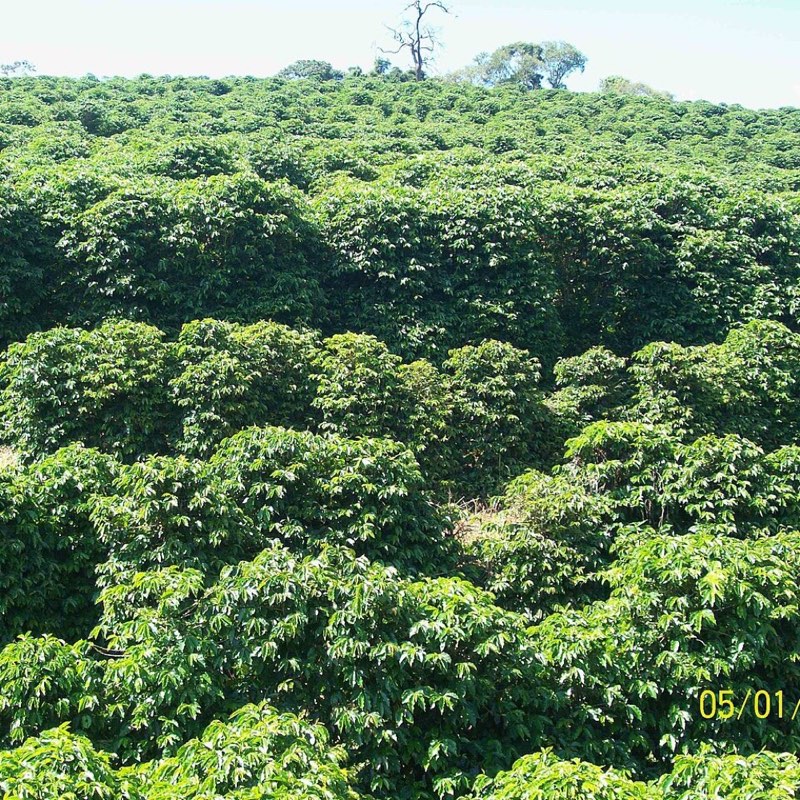
Ipanema coffee is grown in Sul de Minas, the southern part of Minas Gerais state, a mountainous region with moderate altitudes, reliable rainfall and a long coffee tradition. The area is known for sweet, balanced Brazilian coffee, and the Alfenas area is associated with the Ipanema producer. Altitudes in Sul de Minas are generally lower than Central American origins, which helps explain the sweetness, low acidity and heavier body.
Ipanema lot Scofi lists
Scofi lists a Brazil Unwashed Ipanema Dulce Arabica. "Unwashed" means the coffee is processed as a natural, drying with the fruit on, and "Dulce" points to a sweet profile. Check the product page for the current lot and contact Scofi for samples and a quotation.
Ipanema versus Santos, Mogiana and Cerrado
| Name | What it refers to | Typical cup | Good for |
|---|---|---|---|
| Ipanema | A producer in Sul de Minas | Sweet, caramel, dried fruit (in naturals) | Espresso and milk drinks. See Brazil guide |
| Santos | A port and trade style | Smooth, nutty, low acidity | Blend base. See Santos |
| Mogiana | A region in São Paulo and Minas | Chocolate, caramel | Espresso base |
| Cerrado | A savannah region | Clean, nutty, medium body | Blends |
How to evaluate a natural Brazilian sample
Natural lots can be great or ordinary depending on how carefully they were dried and sorted. When you cup a sample, look for:
- Clean sweetness: caramel and chocolate without fermenting or "dirty" notes.
- Fruit: dried fruit, not overripe or boozy.
- Consistency: score several cups, not just one.
- Aftertaste: a clean, sweet finish, not harsh or papery.
Use the cupping score sheet and compare with your current coffee.
Roasting and brewing Ipanema coffee
Roast naturals with a slightly lower charge and a longer, steady drying phase so the beans do not scorch. Medium roasts give chocolate and nuts and medium-dark roasts suit milk drinks. See roasting natural process coffee and how to roast Brazil coffee.
| Method | Dose | Water |
|---|---|---|
| Espresso | 18 g | 36–40 g out |
| Pour-over | 20 g | 320 g at 92–94 °C |
| Cold brew | 100 g | 800 g, 12–16 hours |
Buyer checklist before ordering Ipanema coffee
1. Confirm the exact lot name, process and screen size. 2. Ask for crop year, cup score and notes. 3. Check moisture and defect count. 4. Cup a sample. 5. Confirm packing, delivery and price basis. See packaging options.
FAQ: Ipanema coffee beans
What is Ipanema coffee?
It is Brazilian Arabica sold under the name of a coffee farm group in Sul de Minas. It is different from the Rio de Janeiro beach of the same name.
What does Ipanema coffee taste like?
Usually sweet and clean with caramel, chocolate and nut notes, and sometimes fruit in natural lots.
Is Ipanema coffee natural or washed?
Both exist, but natural and pulped natural lots are common. Confirm the process on the offer sheet.
Is Ipanema the same as Santos?
No. Santos is a broad trade name, while Ipanema refers to a producer. See Brazil Santos coffee beans.
Is Ipanema good for espresso?
Yes, its sweetness and body suit espresso blends and milk drinks.
How do I roast Ipanema coffee?
Medium to medium-dark roasts bring out sweetness. See the Brazil roasting guide.
What should I ask the supplier?
Farm, crop year, process, screen size, cup score and moisture.
Can I buy Ipanema coffee in Malaysia?
Scofi can discuss Brazilian lots, depending on availability. Contact us.
What does Dulce mean in Ipanema Dulce coffee?
Dulce is Spanish and Portuguese for sweet. It points to a sweet, caramel-like cup profile for the lot.
What does unwashed coffee mean?
Unwashed is another word for natural processing, where the cherries are dried whole and then hulled, giving a heavier body and fruit-sweet notes.
Is Ipanema coffee good for cold brew?
Yes. A medium or medium-dark roast of a sweet Brazilian lot works well for cold brew. See the cold brew guide.
Is Ipanema coffee single origin?
Brazilian lots are single origin because they come from one country, but ask for the farm and lot details if you need finer traceability.
How should I store green Ipanema coffee?
Keep it cool, dry and sealed, away from strong smells. See storage tips.
