What makes Brazil coffee special
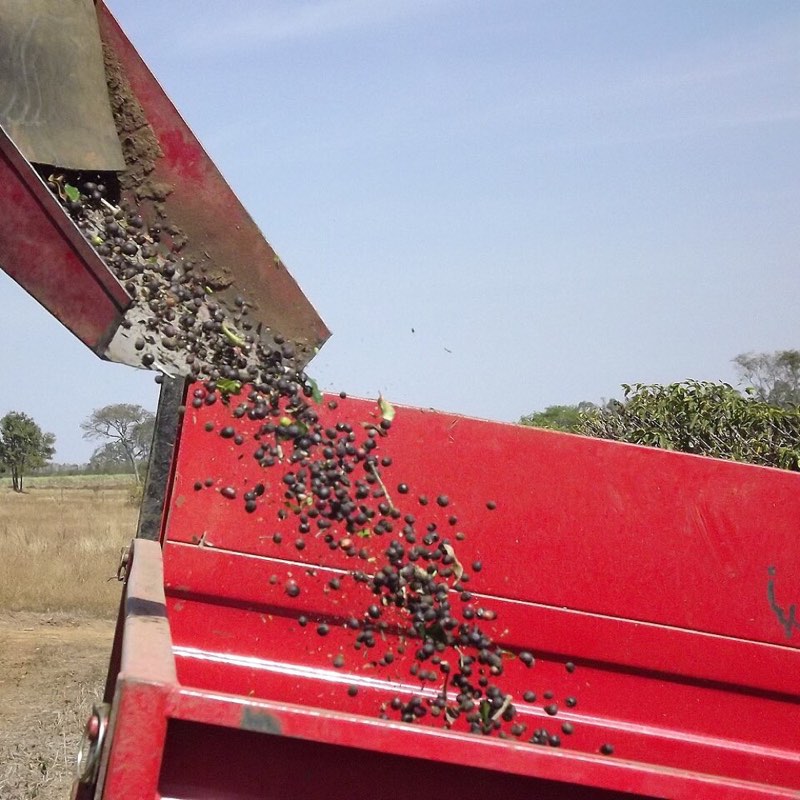
Brazil produces more coffee than any other country, and its large, flat farms are often harvested by machine. The coffee is typically sweet, nutty and chocolatey, with low acidity and a smooth body. That consistency and the large supply make Brazil coffee beans a staple of espresso blends. Read how Brazil fits into the wider region in our Latin America coffee guide.
Brazilian growing regions and grades
| Name | Where or what | Typical cup |
|---|---|---|
| Santos | Traditional export name linked to the port of Santos | Smooth, nutty, low acidity |
| Mogiana | Region in São Paulo and Minas Gerais | Chocolate, caramel, sweet |
| Cerrado | Savannah region in Minas Gerais, often mechanised | Clean, nutty, medium body |
| Sul de Minas | Mountainous southern Minas Gerais | Sweet, balanced, a little brighter |
| Ipanema | A well-known farm and the name used for some lots | Sweet, clean, fruity touches |
Names are used differently by exporters, so always ask for the farm, region, crop year, process and screen size.
Natural processing and flavour
Most Brazilian coffee is naturally processed: the whole cherry is dried before the fruit is removed. This builds body and sweetness and often adds notes of milk chocolate and dried fruit. Some farms also produce pulped natural or washed lots with a cleaner cup. See natural processing and honey process for how each changes the cup.
Screen size, defects and quality
- Screen size: Brazilian lots are often sold as screen 17/18 or 16/17, which describes bean size.
- Defects: natural coffee can contain more defects, so check the defect count.
- Moisture: aim for around 10–12%. See moisture levels.
- Cup score: cup before you buy with the cupping score sheet.
Roasting and using Brazil coffee
Brazilian beans suit medium to medium-dark roasts. They are dense enough to handle heat and give chocolate and nut notes in milk. Read how to roast Brazil coffee and build blends with Robusta using our blend cost calculator.
How to buy Brazil coffee beans in Malaysia
1. Decide the use: espresso base, filter or blend. 2. Choose region and grade (Santos, Mogiana, Cerrado, Ipanema). 3. Write your spec: process, screen size, moisture and defects. 4. Ask for a sample and cup it. 5. Check packing and delivery. See packaging options. Scofi can discuss Brazilian lots, depending on availability. Request a quotation.
FAQ: Brazil coffee beans
What do Brazil coffee beans taste like?
Typically nutty, chocolatey and sweet with low acidity and a medium to heavy body. Naturals can show dried fruit.
What is the difference between Santos and Mogiana?
Santos is a traditional export name linked to the port of Santos, while Mogiana is a growing region in São Paulo and Minas Gerais. Both are usually smooth, nutty and low in acidity.
What is Cerrado coffee?
Cerrado is a savannah region in Minas Gerais, known for clean, nutty, medium-body coffee that is often harvested by machine.
Is Brazilian coffee good for espresso?
Yes. Its sweetness, body and low acidity make it a common base for espresso blends and milk drinks.
Is Brazilian coffee natural or washed?
Most is natural, with some pulped natural and washed lots. Ask your supplier for the process on each lot.
When is Brazil coffee harvested?
Roughly May to September. See the harvest calendar.
How do I roast Brazil coffee?
Medium to medium-dark profiles bring out chocolate and nuts. See the Brazil roasting guide.
Can I buy Brazilian green coffee beans in Malaysia?
Scofi can discuss Brazilian lots, depending on availability. Contact us with your grade, volume and delivery location.
