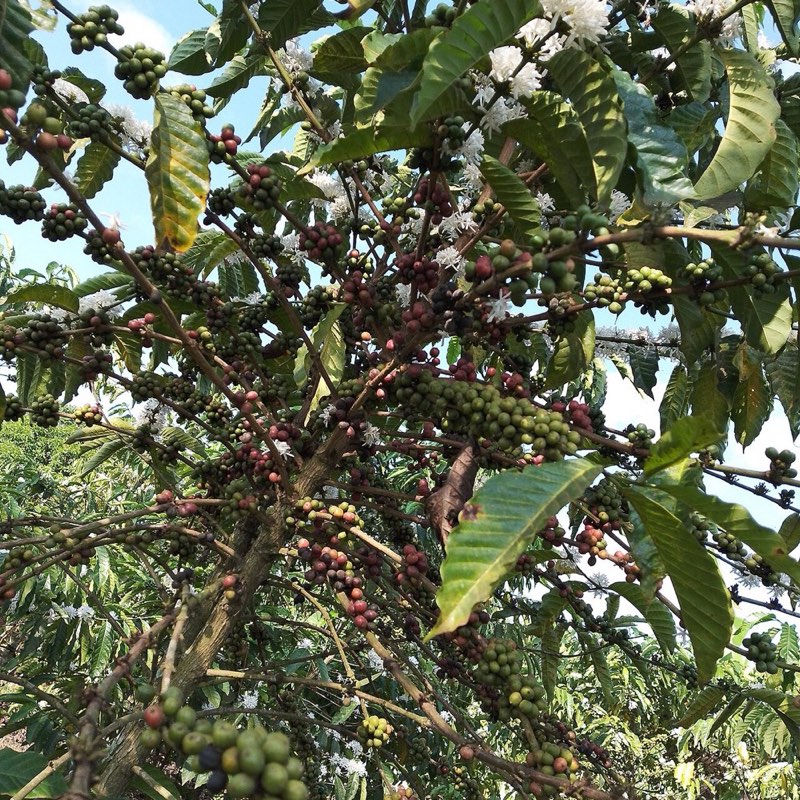
Why Honduras coffee is worth a look
Honduras is one of the largest coffee producers in Central America, and most of its crop is grown by smallholders. The result is a broad supply of clean, sweet Arabica at accessible prices. For roasters and cafés in Malaysia, Honduras coffee beans are often used where you want a smooth, chocolatey profile without paying specialty-lot prices. See the wider picture in our Latin America coffee guide.
Honduran coffee regions
| Region | Typical profile | Notes |
|---|---|---|
| Copán | Sweet, chocolate, caramel, mild fruit | Western Honduras, a well-known specialty region |
| Montecillos | Balanced, sweet, soft acidity | Central-west highlands |
| Opalaca | Fruity, floral, brighter cups | Higher-elevation lots |
| Comayagua | Chocolate, nut, round body | Central valley region |
| El Paraíso | Sweet, citrus, caramel | Eastern region near Nicaragua |
| Agalta | Nutty, soft fruit | Eastern, tropical forest area |
Always ask for the farm or cooperative, altitude and crop year, because quality varies inside a region.
Varieties, processing and grades
- Varieties: Catuaí, Caturra, Bourbon, Lempira, IHCAFE 90 and the rust-resistant Parainema are commonly grown. See Catuaí and Caturra coffee beans.
- Processing: most lots are washed, which gives a clean, sweet cup. Honey and natural lots exist in smaller volumes.
- Grades: lots are commonly classed by altitude, with SHG for high-grown coffee. Always confirm the grade definition on the offer sheet.
- Moisture and defects: aim for about 10–12% moisture and low defect counts. See moisture levels and grading standards.
Roasting and brewing Honduras coffee
Honduran Arabica is forgiving. Medium roasts highlight chocolate and caramel, and lighter roasts bring out fruit in higher-grown lots. It works well in milk drinks and in espresso blends. Use our roasting levels guide and the brew ratio calculator as starting points.
How to buy Honduras coffee beans in Malaysia
1. Decide your use: milk drinks, espresso blend or filter. 2. Choose a region and process. 3. Write your spec: grade, screen size, moisture and defects. 4. Request a sample and cup it with the cupping score sheet. 5. Confirm packing and delivery. See packaging options. Scofi can discuss Honduran lots, depending on availability. Request a quotation.
Honduras coffee in brief: history and industry
Coffee became Honduras's most important export crop in the twentieth century, and today most of it comes from smallholders with farms of only a few hectares. Many belong to cooperatives that handle milling, drying and export together. A leaf rust outbreak around 2012 to 2013 hit Central America hard, including Honduras, and pushed the industry toward rust-tolerant varieties such as Lempira, IHCAFE 90 and Parainema. For buyers this means two things: more variety choice than the old Catuaí and Caturra era, and a need to ask which variety is in each lot, because the cup differs. Honduras is now widely seen as a reliable source of clean, sweet Arabica. It sits between the soft, round cups of Brazil and the brighter, more complex cups of Guatemala and Costa Rica. Compare it with Guatemala and Costa Rica before you decide.
Reading Honduras grades and offer sheets
Honduran offers use shorthand. A typical line looks like "Honduras Washed SHG Montecillos" or "Honduras HG EP". Here is how to read it.
| Term | Meaning | Why it matters |
|---|---|---|
| SHG | Strictly High Grown, from the highest altitudes | Usually denser beans and more acidity and complexity |
| HG | High Grown, from slightly lower altitudes | Sweet, balanced, good value |
| EP | European Preparation, a sorted export grade with few defects | Cleaner cup and lower defects than a basic grade |
| Washed | Fruit removed and fermented off with water before drying | Clean, bright, sweet cup |
| Region name | For example Montecillos, Copán, San Marcos | Hints at flavour, but farm and altitude matter more |
Definitions can differ slightly between exporters, so ask for the screen size, defect count and moisture in writing. Read grading standards and moisture levels for the checks to make on arrival.
Honduras lots Scofi lists
Scofi lists Honduran Arabica on its product pages. At the time of writing these include a Honduras Washed SHG Montecillos Arabica, a washed, high-altitude style for a sweeter, more structured cup, and a Honduras HG EP San Marcos Arabica, a sorted export grade suited to everyday espresso and milk-drink blends. Listings change with the crop and with stock, so check the product page for what is current and contact Scofi for samples and a quotation.
How to taste and evaluate a Honduras sample
When your sample arrives, roast it to a medium level, rest it for at least a day and cup it. Look for these signs.
- Aroma: chocolate, caramel and light fruit. A grassy or hay smell suggests a pale roast or old crop.
- Sweetness: Honduran coffee should taste sweet from first sip to the finish.
- Acidity: medium and soft in HG lots, brighter in SHG lots.
- Defects: sour, fermented or musty notes mean a processing or storage problem.
Score it with the cupping score sheet and compare against your current house coffee. If you buy blends, test it with the blend cost calculator.
Brewing recipes for Honduran coffee
Start with these recipes and adjust to taste.
| Method | Dose | Water | Notes |
|---|---|---|---|
| Pour-over | 20 g | 320 g at 92–94 °C | Medium-fine grind, about 3 minutes |
| Espresso | 18 g | 36 g out | 25–30 seconds, adjust grind |
| French press | 30 g | 450 g | Coarse grind, 4 minutes. See French press guide |
| Cold brew | 100 g | 800 g | 12–16 hours. See cold brew guide |
Use the brew ratio calculator to scale any recipe.
Honduras compared with other origins
| Origin | Typical cup | Best for |
|---|---|---|
| Honduras | Sweet, chocolate, caramel, soft fruit | Milk drinks, house blends, value filter |
| Guatemala | More acidity, cocoa, spice, complexity | Filter and espresso with character. See Guatemala |
| Costa Rica | Clean, bright, honey-sweet | Filter and honey-process features. See Costa Rica |
| Colombia | Balanced, fruity, caramel | All-round menus. See Colombia |
| Brazil | Nutty, low acidity, heavy body | Espresso base. See Brazil |
Buyer checklist before ordering Honduras coffee
1. Confirm the grade, region, process and variety. 2. Ask for crop year and expected arrival date. 3. Check screen size, moisture (about 10–12%) and defect count. 4. Request a pre-shipment or arrival sample and cup it. 5. Confirm the packing (jute or GrainPro) and the bag weight. See packaging options. 6. Agree delivery terms and price basis in writing. 7. Keep a retention sample of each lot for consistency. Use the green coffee spec sheet to put this into one message.
FAQ: Honduras coffee beans
What do Honduras coffee beans taste like?
Usually sweet and balanced with chocolate, caramel and nut notes, medium acidity and mild fruit. Higher-grown lots can be brighter and more complex.
Which are the best Honduran coffee regions?
Copán, Montecillos and Opalaca are well known for specialty lots, but quality depends on the farm, altitude and processing, not region alone.
Is Honduran coffee Arabica or Robusta?
Almost all Honduran coffee is Arabica. See Arabica coffee beans in Malaysia.
Is Honduran coffee good for espresso?
Yes. Its sweetness and body suit espresso blends and milk drinks. Pair it with a brighter coffee if you want more acidity.
When is Honduras coffee harvested?
Typically around November to April, depending on altitude and region. See the harvest calendar.
How is Honduras coffee different from Guatemala?
Honduran coffee is usually softer and sweeter, while Guatemalan coffee often has more acidity and complexity. See Guatemala coffee beans.
How should I roast Honduran coffee?
Medium roasts show chocolate and caramel. Light to medium-light roasts suit higher-grown lots with more fruit.
Can I buy Honduras green coffee beans in Malaysia?
Scofi can discuss Honduran lots, depending on availability. Contact us with your grade, volume and delivery location.
What does SHG mean on Honduran coffee?
SHG stands for Strictly High Grown. It refers to coffee grown at the highest altitudes, which is usually denser and has more acidity and complexity.
What is the difference between HG EP and SHG?
HG is High Grown and EP is European Preparation, a sorted grade with fewer defects. SHG is grown higher, so it tends to be brighter and more complex. Ask for cup notes on each lot.
Which Honduran region is best?
No region is best for everyone. Montecillos and Copán are known for sweet, balanced cups, while Opalaca lots can be brighter. Quality depends on the farm and process.
Is Honduran coffee good value?
It is often considered good value for clean, sweet Arabica, especially for milk drinks and house blends. Cost depends on grade, volume and market conditions.
How long can I store Honduran green coffee?
Stored cool, dry and sealed, green coffee can keep its quality for several months, and fresher crop tastes best. See storage tips.
