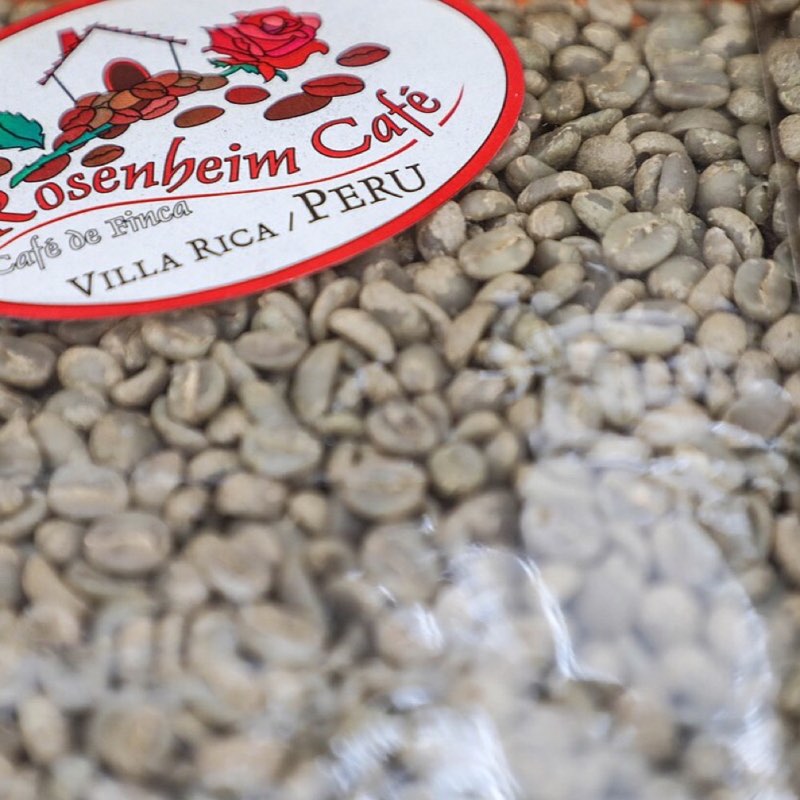
Why Peru coffee is popular
Peru has a long coffee tradition and a large number of small farmers organised into cooperatives. Many of these lots are certified organic or Fair Trade, which suits buyers who need certified coffee. For roasters and cafés, Peru coffee beans offer a mild, sweet, easy-to-roast base. See the wider region in our Latin America coffee guide.
Peruvian coffee regions
| Region | Typical profile | Notes |
|---|---|---|
| Cajamarca | Sweet, nutty, chocolate | Large northern region, many cooperatives |
| Junín (Chanchamayo) | Balanced, caramel, mild fruit | Central jungle highlands |
| Cusco | Sweet, floral, brighter lots | Includes Quillabamba and high-grown areas |
| Amazonas | Fruity, soft acidity | Northern forest highlands |
| Puno (Sandia) | Complex, fruity, high altitude | Very high farms, smaller volumes |
Always ask for the cooperative, altitude, crop year and certification documents.
Varieties and processing
- Varieties: Typica, Caturra, Bourbon, Catimor and Pache are common. See Typica and Caturra coffee beans.
- Process: mostly washed, giving a clean, sweet cup. See washed Arabica coffee.
- Certifications: organic, Fair Trade and Rainforest Alliance lots are widely available. Ask for current certificates.
Roasting and brewing Peru coffee
Peruvian coffee roasts easily. Medium roasts bring out chocolate and nuts and suit milk drinks, while lighter roasts show florals in high-grown lots. Use roasting levels and the brew ratio calculator.
How to buy Peru coffee beans in Malaysia
1. Decide if you need certified coffee. 2. Choose the region and process. 3. Write a spec, including moisture and defects. 4. Request a sample and cup it. 5. Check documents and packing. See packaging options. Scofi can discuss Peruvian lots, depending on availability. Request a quotation.
Peru coffee in brief: a cooperative-driven origin
Peru produces coffee across the Andes, often on small farms of only a few hectares. Many growers belong to cooperatives that offer technical help, pooled milling and access to organic and Fair Trade premiums. As a result, Peru is one of the largest sources of certified organic coffee. Regions differ a lot: northern lots from Cajamarca and Amazonas are often sweet and nutty, central Junín lots are balanced and caramel-like, and southern lots from Cusco and Puno grow higher and can be brighter and more complex.
Organic and Fair Trade coffee from Peru
Peruvian cooperatives export large volumes of certified coffee. If you need certified lots, ask for the certificate for the specific lot, its validity period and the certifying body. Certification covers how the coffee was grown and handled, not necessarily cup quality, so cup the sample as well. Read our guides on organic Arabica and coffee certifications.
Peru lot Scofi lists
Scofi lists a Peru Washed Pomahuaca Arabica. Pomahuaca is a growing area in the north of Peru, in the Cajamarca region, where cooler highland farms produce sweet, mild, nutty and chocolatey washed coffee. Check the product page for the current lot and contact Scofi for samples and a quotation.
Peruvian cup profiles by region
| Region | Profile | Good for |
|---|---|---|
| Cajamarca and Pomahuaca | Sweet, nutty, chocolate, soft acidity | Milk drinks, house blends |
| Junín (Chanchamayo) | Balanced, caramel, light fruit | Everyday espresso and filter |
| Cusco | Sweet, floral, brighter | Filter and premium blends |
| Amazonas | Soft fruit, mild acidity | Filter and blends |
| Puno (Sandia) | Complex, fruity, higher altitude | Specialty features |
Always ask for farm or cooperative, altitude and crop year, because they predict flavour better than the region name.
Roasting and brewing Peruvian coffee
Peruvian coffee roasts easily. For milk drinks, roast to medium so chocolate and nut notes come through. For filter, a medium-light roast keeps sweetness and gentle fruit. Avoid long development, which makes the cup flat. See roasting levels and roast profiles.
| Method | Dose | Water |
|---|---|---|
| Pour-over | 20 g | 320 g at 92–94 °C |
| Espresso | 18 g | 36 g out in 25–30 seconds |
| French press | 30 g | 450 g, 4 minutes |
Use the brew ratio calculator for other batch sizes.
Buyer checklist before ordering Peru coffee
1. Decide whether you need certified coffee and ask for certificates. 2. Confirm region, cooperative, process and crop year. 3. Check screen size, moisture (about 10–12%) and defect count. 4. Cup a sample and score it with the cupping score sheet. 5. Confirm packing and delivery terms. See packaging options. 6. Plan timing with the harvest calendar.
FAQ: Peru coffee beans
What do Peru coffee beans taste like?
Mild and sweet, with chocolate, nut and soft fruit notes and gentle acidity.
Is Peruvian coffee organic?
Many lots are certified organic, but not all. Ask for certificates for the specific lot. See organic Arabica.
Which regions grow Peru coffee?
Cajamarca, Junín (Chanchamayo), Cusco, Amazonas and Puno are the main ones.
Is Peru coffee good for espresso?
Yes, as a sweet, mild base in blends and for milk drinks.
When is Peru coffee harvested?
Roughly April to September. See the harvest calendar.
How does Peru compare with Colombia?
Peru is usually milder and sweeter, while Colombia is often more balanced with more fruit. See Colombia coffee beans.
How should I roast Peruvian coffee?
Medium roasts suit chocolate and nut notes. Go lighter for high-grown lots.
Can I buy Peru green coffee in Malaysia?
Scofi can discuss Peruvian lots, depending on availability. Contact us.
What is Pomahuaca coffee?
Pomahuaca is a growing area in the Cajamarca region of northern Peru. Coffee from there is usually washed and tastes sweet, mild and nutty with chocolate notes.
Is Peru coffee strong?
Peruvian Arabica is mild rather than strong. It has gentle acidity and a medium body. Roast level and brew ratio decide strength.
How does Peru compare with Colombia?
Peru is usually softer and sweeter, while Colombia is often more fruity and balanced. See Colombia coffee beans.
Does organic Peruvian coffee taste different?
Organic is a farming standard, not a flavour. Taste depends on variety, altitude, processing and roast, so always cup a sample.
What documents should I ask for with organic coffee?
Ask for the valid organic certificate for the lot, the certifying body and any shipping documents your market requires.
