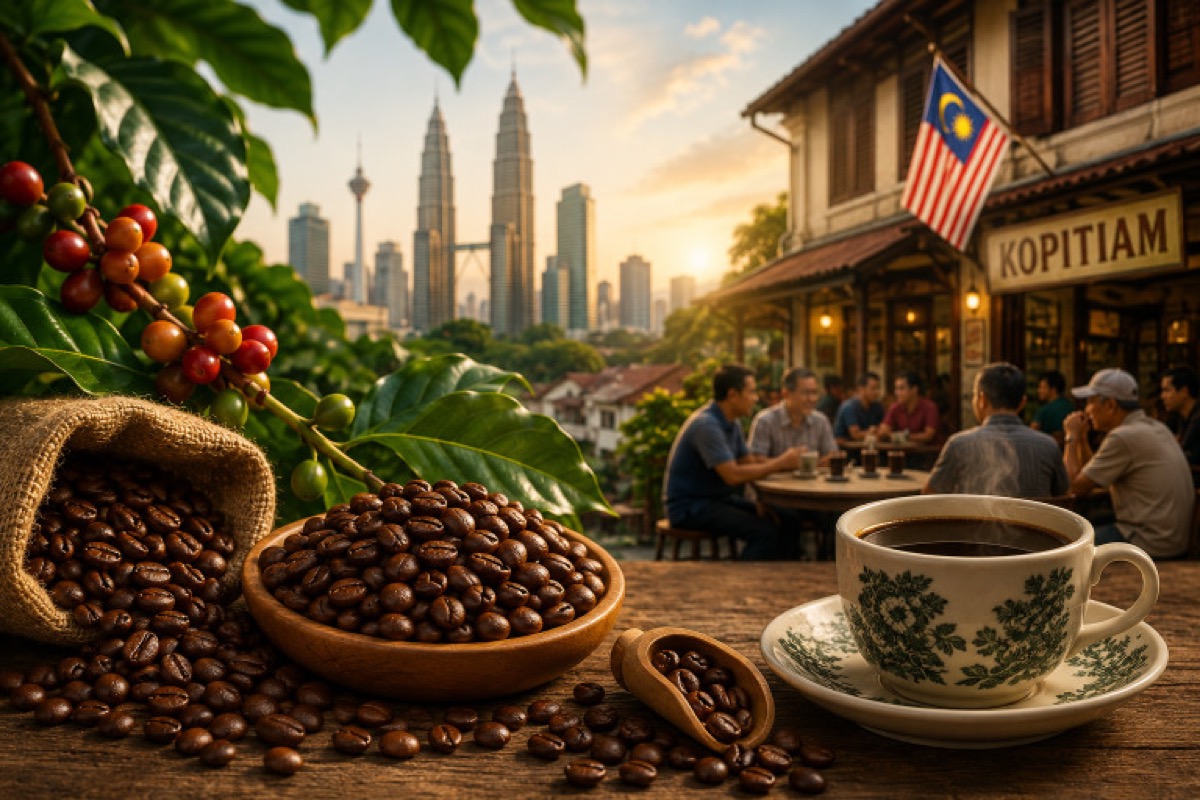
How malaysia’s coffee culture has evolved
This guide explains the evolution of Malaysia’s café lifestyle, how millennials and younger consumers influence specialty coffee demand, and why Arabica has become a key ingredient for premium menus and brand differentiation.
Malaysia has always had a strong coffee identity. Traditional kopitiams built daily habits around local coffee, breakfast, conversation, and community. That culture remains important, but the modern market has expanded. Today, customers move between kopitiams, chain cafés, independent specialty bars, boutique roasteries, hotel cafés, and takeaway counters depending on mood, convenience, and budget.
This layered market creates more opportunities for Arabica. In the past, coffee was often judged mainly by strength, sweetness, and familiarity. Modern consumers increasingly ask about origin, roast level, brewing method, and tasting notes. They may still enjoy milk coffee or iced drinks, but they also want a smoother, cleaner cup and a more premium experience.
For green coffee buyers, this means one thing: Malaysia’s market is no longer one-dimensional. A café may need a chocolate-forward house espresso, a rotating filter coffee, an iced signature profile, and a premium seasonal lot. Arabica supports this diversity because it offers wide flavour range, from floral and citrus to caramel, cocoa, berry, and stone fruit.
- Kopitiam heritage: Traditional coffee habits created Malaysia’s daily coffee culture and strong demand for comforting flavour.
- Specialty growth: Modern cafés educate customers on origin, processing, roast level, and brewing method.
- Arabica opportunity: Premium cafés rely on Arabica to create smoother, aromatic, and differentiated menus.
Evolution of café lifestyle in Malaysia
Cafés in Malaysia have become more than places to drink coffee. They are social spaces, work-friendly environments, meeting points, lifestyle brands, and content backdrops. Interior design, menu presentation, latte art, music, service style, and digital visibility now influence how customers choose where to go. Coffee quality remains central, but the overall café experience helps justify premium pricing.
This lifestyle shift affects green coffee purchasing. Cafés must serve drinks that are not only consistent but also “story-worthy.” A washed Ethiopian filter with jasmine and citrus notes can become an educational feature. A Brazil or Latin America-based house espresso can provide the comforting chocolate-caramel profile needed for milk drinks. A natural or honey-processed Arabica can become the base of a seasonal iced signature.
Key lifestyle drivers
- Work-from-café culture: customers stay longer and expect consistent drinks throughout the day.
- Social media influence: café visuals and menu stories help drive discovery.
- Iced beverage culture: Malaysia’s climate supports strong demand for iced lattes, cold brew, and signature drinks.
- Premiumisation: customers are more willing to pay when quality, story, and experience align.
- Education: cupping events, filter bars, and tasting notes help customers understand Arabica value.
- House espresso: Needs sweetness and body. See Espresso Arabica.
- Filter feature: Needs clarity and aroma. See Filter Brew Arabica.
- Seasonal menus: Use process-driven lots. See Processing Methods.
Millennials, gen z & specialty coffee
Millennials and Gen Z play a major role in Malaysia’s specialty coffee growth. They are more likely to discover cafés through social media, compare experiences online, and care about the story behind what they consume. For many younger consumers, coffee is not only caffeine—it is taste, identity, routine, and lifestyle.
This does not mean all younger consumers prefer extremely light roast or expensive microlots. Many still want approachable, smooth coffee. But they are more open to learning. They may try a pour-over flight, ask why one coffee tastes floral, or choose a single-origin espresso because the café explains it clearly. That creates a stronger market for Arabica, especially when cafés can translate complex coffee terms into simple customer language.
What younger consumers often value
- Transparency: origin, processing method, roast style, and tasting notes.
- Experience: café atmosphere, presentation, and service consistency.
- Personal choice: milk, iced, filter, espresso, decaf, and alternative beverage options.
- Education: simple explanations that help them taste the difference.
- Quality consistency: if they return, they expect the same drink to taste good again.
| Consumer Preference | What It Means | Arabica Menu Response | Related Guide |
|---|---|---|---|
| Smoother coffee | Less harsh bitterness, cleaner finish | Medium roast Arabica espresso base | Espresso Arabica |
| Origin discovery | Interest in regions and tasting notes | Rotating single-origin filter | Ethiopia Origin |
| Iced drinks | Refreshing, sweet, not too sharp | Natural/honey Arabica for fruit and body | Processing Methods |
| Value with story | Willing to pay when quality is explained | Traceable lots with clear flavour language | Flavour Wheel |
Impact on Arabica demand in Malaysia
As Malaysia’s café culture grows, Arabica demand rises because Arabica helps businesses compete on taste and positioning. It allows cafés to offer more than a generic coffee experience. A café can create a house profile, tell an origin story, launch seasonal drinks, and educate customers—all from the same foundation: quality green Arabica.
For roasters, rising Arabica demand creates both opportunity and pressure. Opportunity comes from more cafés needing quality supply. Pressure comes from the need to stay consistent as volume grows. If a house blend changes too much from month to month, cafés may lose customer trust. That is why quality control, retention samples, cupping notes, and mapped replacement lots matter.
Where Arabica demand is strongest
- Independent specialty cafés: need rotating origins and differentiated filter/espresso menus.
- Chain cafés: need stable Arabica profiles for repeatable drinks across outlets.
- Hotels: need premium but approachable profiles for guests.
- Roasteries: need consistent supply, replacement mapping, and clear specs.
- Home brewing consumers: increasingly buy beans for pour-over, espresso, and grinder-based brewing at home.
- For cafés: Arabica supports premium pricing, customer education, and signature menu design.
- For roasters: Arabica creates opportunity, but consistency systems are required to maintain trust.
- For suppliers: Local stock, QC records, and menu-fit recommendations become more valuable.
Buyer strategy: how to respond to coffee culture growth
Buyers should respond to Malaysia’s coffee culture growth with a portfolio strategy, not random buying. A strong green coffee portfolio usually includes a stable base, a rotating feature, and a seasonal experiment. This helps a café or roastery serve both mainstream and specialty customers without confusing the menu.
Suggested Arabica portfolio for Malaysia
- House espresso base: chocolate, caramel, nutty sweetness; suitable for milk drinks and iced lattes.
- Filter feature: washed Ethiopia, Kenya, or high-elevation Central American lots for clarity and education.
- Seasonal natural/honey: fruit-forward lots for iced signatures and limited-time campaigns.
- Premium microlot: small volume for brand storytelling and high-value menu moments.
Before buying, confirm your quality checklist: moisture, defects, screen, processing method, cupping notes, packaging, and delivery plan. For more details, read Buying Checklist, Quality Control, and How to Buy.
How Scofi supports malaysia’s Arabica demand
As Malaysia’s coffee culture becomes more sophisticated, buyers need more than a supplier that simply quotes price. They need a partner who understands menu goals, beverage context, and quality expectations. Scofi supports buyers by helping translate customer demand into green coffee decisions.
- Menu-fit shortlists: espresso base, filter feature, iced signature, and seasonal premium options.
- Malaysia-local coordination: faster sampling and domestic delivery/pickup where stock is available.
- Quality support: specs, moisture guidance, defect awareness, and cupping-based evaluation.
- Buyer education: guides that help cafés and roasters make better purchasing decisions.
Learn more about Scofi’s supplier role here: Scofi Malaysia Supplier and Wholesale Supplier.
FAQ: Malaysia Coffee Culture & Arabica Demand
How has Malaysia’s coffee culture changed?
Malaysia’s culture has expanded from traditional kopitiam routines into modern cafés, specialty coffee bars, iced beverage menus, and premium lifestyle experiences.
Why are cafés in Malaysia using more Arabica?
Arabica offers smoother flavour, aromatics, origin storytelling, and premium positioning—important for cafés competing on quality and experience.
Do millennials prefer specialty coffee?
Many younger consumers are more open to specialty coffee because they value experience, social sharing, origin stories, and menu variety.
Does Malaysia’s iced drink culture increase Arabica demand?
Yes. Iced lattes, cold brew, and signature drinks need sweet, stable Arabica profiles that remain pleasant under milk and ice.
What Arabica profile is best for Malaysian cafés?
Most cafés benefit from a chocolate-caramel house espresso base, plus a rotating filter or seasonal feature for differentiation.
Is light roast popular in Malaysia?
Light roast is growing among specialty customers, especially for filter coffee. Mainstream drinkers often still prefer medium profiles for milk drinks.
How should roasters respond to rising Arabica demand?
They should build consistency systems: green QC, cupping logs, retention samples, mapped replacements, and clear blend roles.
Do hotels and restaurants also need Arabica?
Yes. Hotels and restaurants increasingly use Arabica to improve guest experience, especially when they want premium but approachable coffee.
What should buyers check before buying Arabica?
Check origin, process, moisture condition, defect expectations, cupping notes, packaging, storage plan, and supplier reputation.
Can Scofi help cafés choose Arabica for Malaysia’s coffee culture?
Yes. Scofi can recommend menu-fit Arabica lots, support Malaysia-local sampling where available, and provide specs/QC guidance for better purchasing decisions.
