What is Liberica coffee?
Liberica (Coffea liberica) is the third commercial coffee species. It has larger, more irregular beans than Arabica or Robusta, and the trees grow tall. It originated in West Africa and spread to Southeast Asia, where it adapted to heat and humidity. In Malaysia it has a place in local coffee history. Learn how it fits into the family in our types of coffee beans guide.
Liberica flavour profile
Liberica is bold and unusual. Common descriptions include smoky, woody, nutty and fruity notes, sometimes with floral or jackfruit-like aromas, and a thick body with low to medium acidity. Cup quality varies widely, so always sample.
| Arabica | Robusta | Liberica | |
|---|---|---|---|
| Bean size | Medium | Small, round | Large, irregular |
| Typical taste | Sweet, acidic, aromatic | Bitter, earthy, strong | Smoky, woody, fruity |
| Growing altitude | High | Low to medium | Low, tolerates heat |
| Supply | Large | Large | Very small |
See Arabica vs Robusta for the two main species.
Liberica in Malaysia
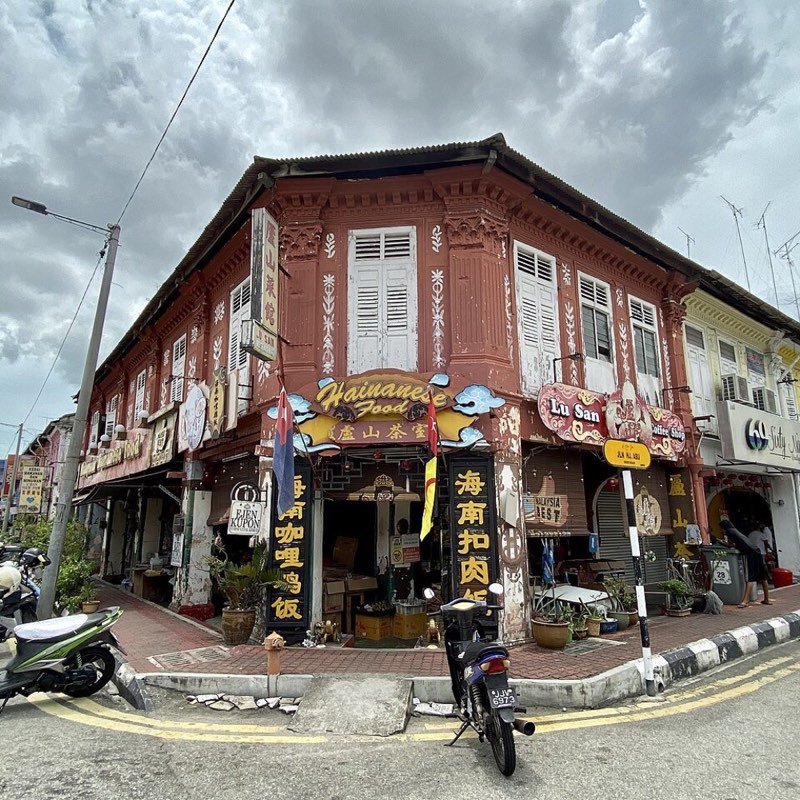
Liberica has been grown in Malaysia, including in Johor and other states, and is sold as a local speciality in some cafés and small roasteries. It is a niche product and not a replacement for Arabica or Robusta supply. See Malaysia coffee culture and kopitiam coffee.
Roasting and using Liberica
Liberica beans are large and uneven, so they roast differently. Many roasters use a moderate charge and gentle development, then cup frequently. It is often sold as a curiosity lot, in blends or as a local feature coffee. See roasting levels and roast profiles.
Can you buy Liberica green coffee?
Liberica is available only in small volumes and quality varies. Ask for the origin, process, screen size, moisture and a sample. Scofi focuses on Arabica and Robusta; availability of Liberica depends on supply, so contact us if you want to explore it.
How Liberica reached Southeast Asia
Liberica was brought to Southeast Asia in the late nineteenth century, when coffee leaf rust devastated Arabica plantations in Ceylon, Java and elsewhere. Planters looked for a hardier species and found that Liberica tolerated heat, humidity and lowland growing. It was planted in the Philippines, Indonesia and the Malay Peninsula, and it became part of local coffee culture. Later, Robusta replaced much of it in commercial planting because it was easier to farm at scale, which is why Liberica is now rare.
Liberica in Malaysia today
In Malaysia, Liberica is grown in areas such as Johor and some other states, often on small farms and in mixed-crop settings. It is sold locally as "kopi liberika" and appears on some café menus as a local speciality. Because supply is small, prices are higher than a standard Robusta, and quality depends heavily on the farm and the processing. If you want to put Liberica on a menu, plan for limited volume, taste it carefully and tell your customers the story.
Liberica versus Excelsa versus Robusta
| Feature | Liberica | Excelsa | Robusta |
|---|---|---|---|
| Bean size and shape | Very large, asymmetric | Medium, rounder | Small, round |
| Typical taste | Smoky, woody, floral, fruity | Tart, fruity, lightly spicy | Bitter, earthy, nutty |
| Body | Heavy | Medium | Heavy |
| Supply | Very small | Very small | Very large |
| Best use | Local speciality, blends | Blends | Espresso, kopi, instant |
Read the full comparison in our types of coffee beans guide and Arabica vs Robusta.
How Liberica is processed and roasted
Liberica is commonly processed as a natural or by other traditional methods, because the thick fruit and large seed are harder to wash cleanly. When roasting, the large size and thick cell structure can cause uneven development. Many roasters use a moderate charge, extend the drying phase slightly and aim for a medium or medium-dark roast, then cup carefully. Because the beans are not standard in size, sorting by size before roasting helps. See roast profiles and the roasting level guide.
How to brew and serve Liberica
Liberica works in several ways. A medium roast brewed as filter at about 1:15 shows its smoky and fruity notes. In traditional kopi style it can be brewed with a cloth filter and served with condensed milk or sugar. As a short espresso it tastes bold and slightly sweet. Use the brew ratio calculator as a starting point, and see our guides to kopitiam coffee and the Kopi order guide.
Should your café stock Liberica?
Liberica makes sense as a limited feature for customers who want something local and unusual. It is unlikely to replace your core Arabica or Robusta supply. Start with a small batch, cost it with the cost per cup calculator and see how customers respond. For core supply options, see Arabica coffee beans in Malaysia and Robusta coffee price in Malaysia.
FAQ: Liberica coffee
What is Liberica coffee?
It is a coffee species, Coffea liberica, with large, irregular beans and a bold, smoky, woody and fruity taste.
How is Liberica different from Arabica?
Liberica has bigger beans, a bolder, smokier taste, tolerates heat and humidity, and has a very small supply. Arabica is sweeter, more aromatic and widely grown at altitude.
Is Liberica grown in Malaysia?
Yes, in some areas, including Johor, mainly in small volumes.
What does Liberica coffee taste like?
Usually smoky, woody and fruity, with a heavy body and low acidity.
Is Liberica the same as Excelsa?
Excelsa is now classified as a variety of Liberica, but is often sold as its own type.
Is Liberica stronger than Robusta?
It has a bold taste, but Robusta usually has more caffeine. Taste varies by lot.
How do I roast Liberica?
Use moderate heat and gentle development, and cup often. Its large beans roast unevenly.
Can I buy Liberica green coffee in Malaysia?
Availability is limited. Contact us to ask about current lots.
Why is Liberica coffee rare?
Because Arabica and Robusta are easier to grow at scale, and Liberica trees are tall and the beans large and uneven, so it makes up only a very small share of world coffee.
Is Liberica coffee good?
It is distinctive rather than universally loved. Fans enjoy its smoky, fruity and woody character, while others find it unusual. Always taste before buying.
Is Liberica more expensive than Arabica?
It can be, because supply is small. Price depends on the lot, farm and volume.
What does kopi liberika mean?
It is the local name for Liberica coffee in Malaysia.
Can I blend Liberica with other coffee?
Yes. A small share can add smoky and fruity character to a blend. Test it carefully.
