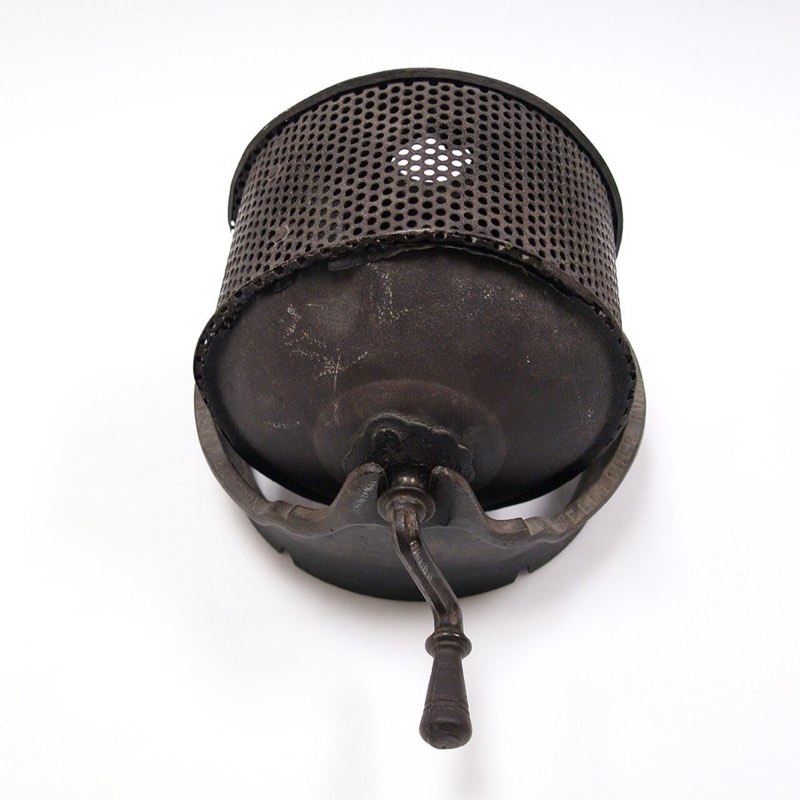
What are green coffee beans?
Green coffee is the dried seed of the coffee cherry before it is roasted. It is pale green, hard, grassy-smelling and tastes nothing like brewed coffee. Roasting transforms it: the beans lose water, expand, change colour and develop the sugars, acids and aromas that make coffee taste like coffee. Because green beans keep their quality much longer than roasted ones, many cafés, roasters and home enthusiasts buy green and roast fresh. Read more in unroasted vs roasted coffee beans and why buy unroasted coffee beans.
Why beginners buy green coffee
- Freshness: you roast when you need it, so the coffee is fresh.
- Control: you choose the roast level and flavour.
- Variety: you can try many origins and processes.
- Cost: green coffee usually costs less per kilogram than roasted coffee, although you must allow for roast loss.
- Learning: it teaches you how coffee flavour is made.
Be realistic too: roasting takes practice, equipment and ventilation, so the first few batches are for learning.
Which beans to start with
Pick forgiving beans: dense enough to handle heat, with no extreme processing.
| Bean | Why it is easy | Typical cup |
|---|---|---|
| Brazil Santos or natural | Forgiving, sweet, low acidity | Chocolate, nuts. See Brazil coffee beans |
| Honduras or Guatemala washed | Clean, balanced, medium density | Caramel, cocoa. See Honduras and Guatemala |
| Colombia | Consistent and widely available | Balanced, fruity. See Colombia |
| Peru | Mild and sweet | Nutty, soft. See Peru |
| Robusta (for kopi or espresso) | Strong, simple to enjoy | Bold. See Robusta guide |
Avoid very light, delicate or experimental coffees (such as high-end Geisha or anaerobic lots) until you are comfortable, because they punish mistakes.
How much to buy first
Start with 200–500 g of two different coffees so you can compare. Remember that roasting loses roughly 12–20% of weight, so 500 g of green becomes about 410–440 g of roasted coffee. Use the roast loss calculator and the chart in how much green coffee for 1 kg roasted. Avoid buying large quantities until you know how fast you use coffee, because even green coffee loses quality with time. See does green coffee go bad.
Ways to roast at home
| Method | Skill and equipment | Notes |
|---|---|---|
| Small home coffee roaster | Easiest, designed for the job | Most consistent. See roaster types |
| Hot-air popper or air fryer | Cheap, tricky to control | Small batches, safety risks. See air fryer roasting |
| Oven or pan | Basic, uneven | Learning only |
| Roasting service | No equipment | Ask a local roaster |
Whatever you choose, roast in a well-ventilated area, keep a fire extinguisher or safe cooling plan nearby, never leave roasting unattended and cool the beans quickly. Read how to roast green coffee beans and roasting stages.
A simple first roast plan
1. Weigh 100–200 g of green coffee. 2. Preheat your roaster. 3. Add the beans and keep them moving. 4. Watch the colour change from green to yellow to light brown. 5. Listen for first crack, a popping sound. Stop shortly after for a light-medium roast, or continue a little longer for medium. See first crack to second crack. 6. Cool the beans quickly. 7. Let the coffee rest for 1–2 days before brewing. See resting roasted coffee. 8. Write down what you did and how it tasted. Use the roast log template.
Storing green and roasted coffee
Keep green coffee cool, dry, sealed and away from smells. Store roasted coffee in an airtight container away from light, and use it within a few weeks. See storage tips and home roasting tips.
Common beginner mistakes
- Roasting too much at once.
- Roasting too fast or too dark and burning the beans.
- Drinking the coffee too soon, before it has rested.
- Buying delicate, expensive beans first.
- Ignoring ventilation and safety.
- Not recording what you did.
- Storing green coffee in humid places.
Fixing these is mostly about starting small and taking notes. See roast defects.
Where to buy green coffee in Malaysia
You can buy green coffee from a green coffee supplier. Scofi supplies unroasted Arabica and Robusta in Malaysia. For home roasters, depending on availability and quantity, contact us to discuss. Ask for a small sample pack if you want to try several coffees.
FAQ: Green coffee beans for beginners
What are green coffee beans?
They are unroasted coffee seeds. They must be roasted before brewing.
Can I drink green coffee beans?
Green beans are not normally brewed like roasted coffee. They are hard and grassy. Roast them first.
Are green coffee beans cheaper than roasted?
Usually per kilogram, but you lose roughly 12–20% weight in roasting, and you need equipment and time.
What is the easiest coffee to roast for beginners?
Forgiving, medium-density beans such as Brazilian or Central American Arabica. See Honduras and Brazil.
How much green coffee should I buy first?
Around 200–500 g of one or two coffees.
How long do green coffee beans last?
Typically 6–12 months for good quality when stored cool, dry and sealed. See does green coffee go bad.
Do I need a roaster?
You can start with a small home roaster, hot-air popper or other simple methods, but a dedicated roaster is the most consistent.
Can I buy green coffee for home roasting from Scofi?
Depending on availability and quantity, please contact us.
