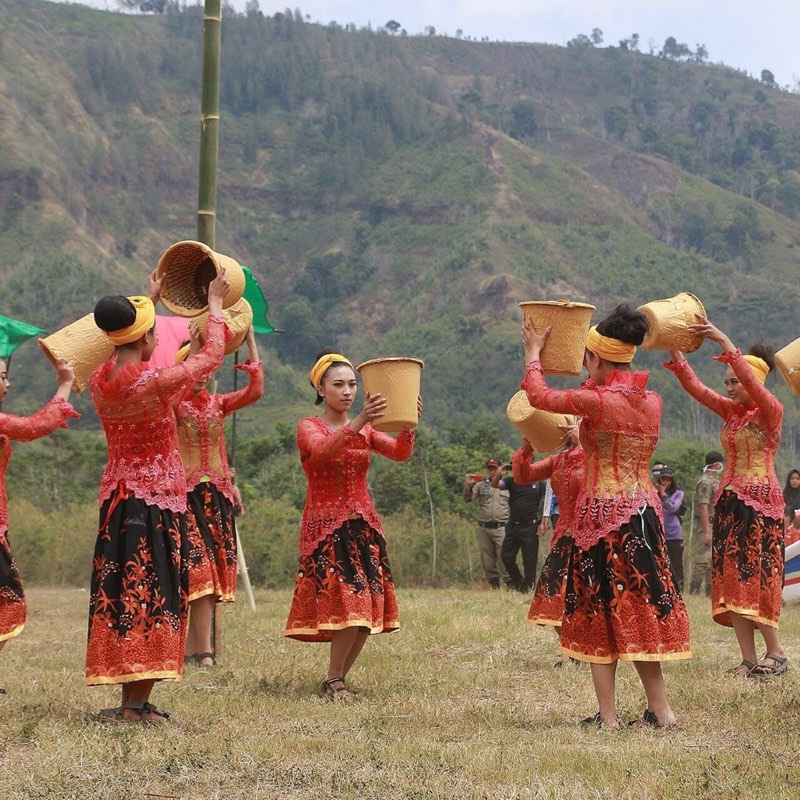
What are Java coffee beans?
Java is a densely populated Indonesian island with a long coffee history: coffee plants reached Java in the late seventeenth century and the word “java” became slang for coffee. Today Java grows both Arabica and Robusta. Arabica comes from volcanic highlands and a few historic estates; Robusta is grown at lower altitude on smallholdings and estates. Read the wider story in the history of Arabica.
Java Arabica coffee
Java Arabica is grown at about 900 to 1,600 metres on volcanic soils, notably in East Java around the Ijen Plateau, where several old estates process their own coffee, and in West Java (Preanger area). Most estate coffee is washed, which gives a cleaner profile than Sumatra’s wet-hulled coffee.
| Feature | Typical result |
|---|---|
| Flavour | Chocolate, spice, nuts, mild fruit |
| Body | Medium to full, smooth |
| Acidity | Low to medium |
| Cleanliness | Good in washed estate lots |
Varieties include Typica-derived lines, Catimor and S795 and others. See Typica and wet processing.
Java Robusta coffee
Java also grows Robusta, notably in East and Central Java. It is bold, earthy and full-bodied with cocoa and spice, and used in espresso blends, traditional coffee and instant products. Quality ranges from commercial to carefully processed. Read the Indonesia Robusta guide, Grade 1 vs EK-1 and Robusta for coffee shops.
Java vs Sumatra and Sulawesi coffee
| Origin | Flavour | Typical process |
|---|---|---|
| Java | Clean, mild, chocolate and spice | Washed estate coffee |
| Sumatra | Earthy, herbal, heavy body | Often wet-hulled |
| Sulawesi (Toraja) | Cocoa, spice, ripe fruit | Wet-hulled or washed |
See Sumatra Arabica and Toraja coffee.
“Old Brown Java” and aged coffee
Some Java coffee has historically been aged in warehouses for a year or more, which lowers acidity and produces a heavy, woody, sweet cup. This is a niche style, and the term is used inconsistently, so ask the supplier exactly how the coffee was aged and for how long, and cup it before buying.
How to roast and brew Java coffee
Java Arabica suits medium to medium-dark roasts for chocolate and sweetness; washed estate lots can also go lighter. Java Robusta suits medium-dark roasts for espresso and traditional coffee. See roasting levels, how to roast Robusta and espresso Arabica.
How to buy Java coffee beans
- Say which Java you want: Arabica or Robusta, estate or smallholder, process and crop.
- Ask for specs: altitude, variety, grade, moisture and defects. See moisture levels and defect detection.
- Request samples. See green coffee sample packs.
Scofi supplies green coffee from Butterworth, Penang, and can discuss Javanese lots, depending on availability. See buy green coffee beans online.
FAQ: Java coffee beans
What are Java coffee beans?
Coffee grown on the Indonesian island of Java, both Arabica and Robusta.
What does Java coffee taste like?
Java Arabica tastes clean and mild with chocolate and spice; Java Robusta is bold and earthy.
Is Java coffee washed?
Estate Arabica is usually washed. Other lots vary.
Where is Java Arabica grown?
On volcanic highlands such as the Ijen Plateau in East Java and areas of West Java.
Is Java coffee Arabica or Robusta?
Both are grown. Specify which you want when you buy.
What is Old Brown Java?
An aged-coffee style; details vary, so ask the supplier how it was aged.
What roast suits Java coffee?
Medium to medium-dark for Arabica; medium-dark for Robusta.
Can I buy Java coffee in Malaysia?
Scofi can discuss Javanese lots, depending on availability. Contact us.
