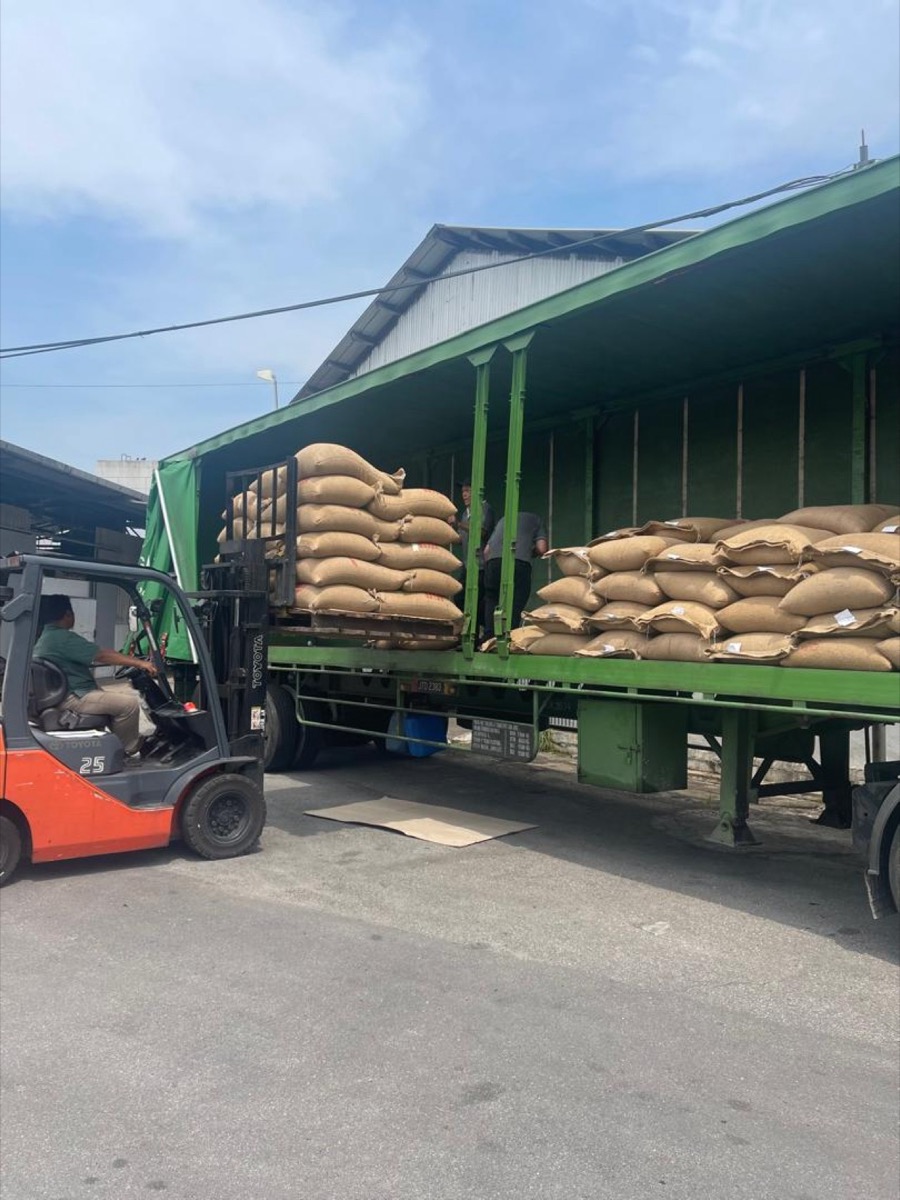
How the global Arabica market works
Scofi (Soo Hup Seng Trading Co Sdn Bhd) translates market signals into practical choices—linking processing styles, varieties, and certifications with your café menu goals.
Arabica flows from producing regions—Latin America, East Africa, and Asia-Pacific—into importing hubs across North America, Europe, East Asia, and the Middle East. In specialty, buyers care about traceability, cup scores, and post-harvest handling, while commodity segments focus on volume and price stability. For Malaysia, smart sourcing combines reliable chocolate-nut bases from Brazil/Latin America with aromatic highlights from Ethiopia and clean washed lots from Central America.
- Pricing drivers: Weather, exchange rates, certifications, freight, and futures spreads. See Arabica Prices.
- Freshness windows: Align purchases with harvest calendars to protect sweetness and aroma. See Latin America & Asia-Pacific.
- Local advantage: Scofi keeps stock in Malaysia for faster sampling and delivery. Why it matters.
Top Arabica exporters — what they offer in the cup
While yearly rankings shift with weather and currency, the Arabica conversation typically includes these anchors. Think in terms of profile roles rather than hard numbers; your menu benefits from predictable flavour archetypes and clear traceability.
| Exporter | Typical Styles | Menu Roles | Buyer Notes |
|---|---|---|---|
| Brazil | Natural & pulped-natural; chocolate, nuts, caramel; low-medium acidity | House espresso base, milk beverages, comfort filter | Screen uniformity; moisture ≈10–12%; clean cups free of phenolic |
| Colombia | Predominantly washed; citrus, red fruit, panela; balanced | Versatile singles & blend components | Rolling harvests; check station/coop traceability |
| Ethiopia | Washed floral-citrus & tea-like; naturals with berry/tropical | Filter features, lighter espresso, seasonal highlights | Grade 1/2; elevation; station info; protect aromatics |
| Guatemala/Central America | High-elevation washed; cocoa, spice, apple/citrus | Signature espresso & clean filter | Region matters (Antigua, Huehue); drying specs |
| Peru | High-alt washed; floral-citrus, honeyed sweetness | Value filter & blend lift | Micro-lot consolidation; humidity-aware drying |
| Indonesia/PNG (Arabica) | Chocolate-spice, clean washed, tropical naturals (select) | Milk-friendly bases & filter contrasts | Process clarity (wet-hulled vs washed); arrival QC |
- Ethiopia deep dive: Heirloom diversity + altitude = iconic florals. See Ethiopia Origin.
- Latin profiles: Typica/Bourbon lines shaped the region. See Latin America Expansion.
- Asia-Pacific: Indonesia, Vietnam, PNG specialty growth. See Asia-Pacific Growth.
Importers & consumer markets — who drinks what
Large importers aggregate demand for both commodity and specialty. Within each market, menu mix drives species and process choices: iced/milk drinks favour chocolate-forward bases with texture; pour-over bars prize florals and clarity. Certifications and sustainability claims influence retail acceptance and pricing.
| Importer/Region | Arabica Demand Pattern | What Sells | Notes for Malaysia Buyers |
|---|---|---|---|
| United States | Specialty growth; single-origin storytelling; iced/RTD surge | Washed Ethiopia; Brazil bases; experimental small lots | Learning from US café playbooks helps menu education |
| European Union | Traceability & certifications critical; lighter roasts | Clean washed Centrals; certified Brazil/Peru | See Certifications |
| Japan & South Korea | Precision QC; high willingness to pay for craft | Washed Ethiopia; seasonal features; elegant blends | Cup clarity and consistency prioritised |
| China | Rapid urban café growth; iced & milk formats | Chocolate-nut bases; fruit-forward signatures | Blend design lessons apply to Malaysia’s iced demand |
| Middle East | Premiumisation; specialty chains expansion | Brazil/Colombia bases + Ethiopian features | Packaging and freshness storytelling add value |
- Filter vs espresso: Match profile to brew. See Filter Arabica and Espresso Arabica.
- Flavour language: Train your team using the wheel. See Flavour Wheel.
- Grading: Understand 80+ scoring & categories. See SCAA Grading.
Demand trends shaping Arabica
Specialty demand keeps evolving, but several stable themes guide purchasing for Malaysian operators. Use them to brief your team, design blends, and schedule launches.
- Iced & Milk Growth: Body and crema matter—use chocolate-nut Arabica bases; consider small robusta percentages if needed for texture.
- Lighter Roast Curiosity: Filter flights and pour-over bars favour high-elevation washed lots with floral/citrus clarity—Ethiopia and select Centrals.
- Story & Transparency: Varieties, process, and station details increase willingness-to-pay. See History of Arabica.
- Certifications & ESG: Organic/RFA/Fair Trade open doors in retail and corporate accounts. See Certifications.
- Experimentals: Anaerobic/carbonic maceration create limited-run excitement—cup carefully for balance. See Experimental Processing.
- Climate Risk: Heat/rain volatility affects availability and price; protect with diverse baskets and packaging. See Climate Requirements and Post-Harvest Storage.
- Pricing context: Follow market cycles to time purchases. See Arabica Prices.
- Buying process: Shortlist → sample → approve → deliver locally. See How to Buy.
- Packaging for humidity: Choose GrainPro or vacuum for longer holds in Malaysia. See Packaging Options.
From global markets to Malaysia — practical steps
Converting global signals into cups requires repeatable, local actions: QC on arrival, storage discipline, and menu-aligned lots. Scofi keeps inventory in Malaysia so your team can sample this week and receive domestically.
- Define Roles: Base (Brazil), feature (Ethiopia/Central), seasonal (experimental).
- Request Specs: Elevation, process, screen, moisture (≈10–12%), defect counts, SCA forms.
- Test Roast & Cup: Use baselines; record extraction for faster dialing.
- Lock Packaging: GrainPro/vacuum if storage >6–8 weeks; see Storage Tips.
- Schedule Deliveries: Align with sales peaks and iced seasonality.
- Defect control: Arrival screening matters. See Defect Detection.
- Cupping protocol: Standardise scoring & notes. See Cupping Guide.
- Traceability: Document station/farm details. See Scofi Malaysia Supplier.
FAQ: Global Arabica Market
Who are the most consistent Arabica exporters?
Brazil and Colombia for volume and reliability; Ethiopia for high-aromatic features; Guatemala/Centrals for clean washed profiles; Peru for value at altitude.
Which importer markets influence specialty prices?
North America, the EU, Japan/South Korea, and rapidly growing East Asian cities—all with strong specialty segments and retail standards.
What demand trends should Malaysian cafés track?
Iced/milk growth, lighter-roast curiosity, certifications, and limited experimental lots for seasonal excitement.
Do certifications change pricing?
Often yes. Organic/RFA/Fair Trade can command premiums and unlock accounts requiring ESG documentation.
How do I time purchases for freshness?
Follow harvest calendars by region and schedule deliveries to match your roast cadence. Use GrainPro/vacuum for longer holds.
Are experimental fermentations worth it?
Yes in small volumes—cup for balance and consistency. Use to create limited features and brand stories.
What specs should I request from suppliers?
Elevation, process, screen, moisture ≈10–12%, defect counts, SCA forms, and packaging type. Ask for arrival QC in Malaysia.
How does climate risk show up in the cup?
Erratic rain/heat can cause uneven ripening and drying defects—taste variance, higher defect rates, and price swings.
What’s a safe base for milk-heavy menus?
Chocolate-nut Arabicas from Brazil/Latin America; add a small robusta percentage only if crema/body needs reinforcement.
Can Scofi provide quick samples in Malaysia?
Yes. We keep local stock for fast sampling, approvals, and domestic delivery/pickup.
