
Arabica Varieties — Typica, Bourbon, Geisha & SL Lines Explained
Variety is the blueprint of flavor. This practical guide helps Malaysian roasters and cafés navigate Arabica lineages—Typica, Bourbon, Geisha, SL28/SL34, Caturra/Catuai, Pacamara and more—so you can match genetics to brew roles, elevation, and processing with confidence.
As Scofi (SOO HUP SENG TRADING CO SDN BHD), we curate green coffee beans aligned to your menu, keep retention samples and QC logs, and stock locally in Malaysia so you can sample now, approve fast, and receive domestic delivery without import lead time.
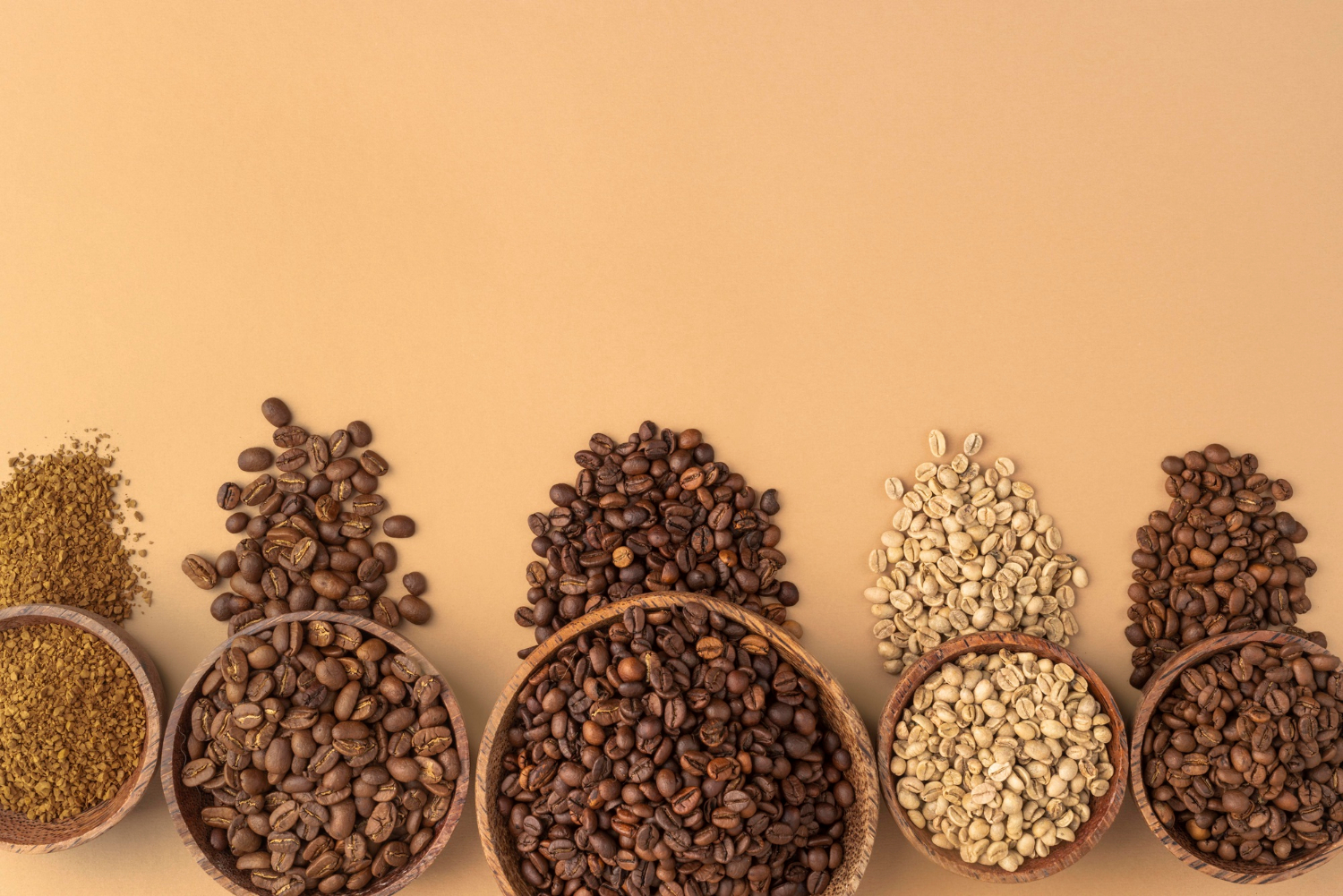
Why Arabica Varieties Matter For Your Menu
In specialty coffee, “variety” (cultivar) influences sugars, acids, seed density, and how a bean responds to altitude and processing. The same farm can produce different flavor directions simply by planting different varieties or selecting particular lines for micro-lots. For Malaysian buyers, variety choice affects dial-in speed, milk performance, and guest perception—especially in filter flights and signature iced drinks.
Local Advantage Because Scofi coordinates inside Malaysia, you can test-roast variety options on your own equipment this week, validate extraction targets, and lock in replacements with matching flavor direction.
Flavor Blueprint
Variety sets potential: floral-citrus (Geisha/Ethiopian lines) vs chocolate-nut (Bourbon-derived) vs blackcurrant (SL).
Roast Behavior
Seed density and screen size affect heat transfer and development time.
Menu Role
Some varieties shine in filter clarity; others anchor espresso for milk-heavy service.
Key Arabica Lineages — What To Expect
Most modern Arabica traces back to two mother lines: Typica and Bourbon. Selections and hybrids multiplied across continents, adding agronomic resilience and sensory range. Below are the families buyers meet most often.
Typica — History & Character
The archetypal line spread through the Caribbean into Central/South America and parts of Asia. Expect clean sweetness, balanced acidity, and elegant structure. Roasters choose Typica for approachable, transparent cups and versatile medium-light roasts for filter or modern espresso.
Bourbon — Sweetness & Roundness
Descended from trees cultivated on Réunion (formerly Île Bourbon), this family is prized for rounded sweetness, cocoa, red-fruit accents, and a plush mouthfeel. Ideal as an espresso base, it also performs in milk-forward cafés.
Geisha (Gesha) — Aromatic Standout
Originating from Ethiopian forests and famed via Panama, Geisha delivers jasmine, bergamot, peach and a tea-like finish when farm and processing are meticulous. It commands premiums and shines in filter features.
SL28 & SL34 — High-Clarity Icons
Kenyan selections known for blackcurrant, citrus, and sparkling acidity. They reward careful washed processing and precise roasting to preserve clarity.
Caturra & Catuai — Compact Workhorses
Dwarf selections (Bourbon derivatives) enabling dense plantings and efficient picking. Cups show caramel, citrus, gentle florals; excellent for consistent washed profiles.
Pacamara — Statement Cups
A Pacas × Maragogipe cross with large screens. Profiles vary widely—from floral citrus to tropical fruit and cocoa—and benefit from thorough sorting and patient roasting.
Castillo & Catimor/Sarchimor Lines — Resilience
Bred for disease resistance and yield. Quality-focused lots can present sweet, clean cups with balanced acidity; confirm station-level QC and drying specs.
Elevation Fit
High-elevation sites amplify florals (Geisha/SL); mid-elevation supports chocolate-nut comfort (Bourbon-derived).
Process Synergy
Washed protects clarity; naturals/honey add fruit density—choose per menu role.
QC First
Variety potential shows only when moisture, defects, and drying are in spec.
Variety Snapshot — Flavor, Roles & Notes
Use this as a starting map. Always cup samples on your equipment before committing volume.
| Variety | Typical Flavor | Best Roles | Buyer Notes |
|---|---|---|---|
| Typica | Clean, sweet, balanced; citrus/stone fruit at altitude | Filter; modern espresso; blend clarity | Protect aromatics; prefer washed/honey for transparency |
| Bourbon | Round sweetness, cocoa, red fruit | Espresso base; milk drinks; approachable filter | Medium development highlights caramel and body |
| Geisha | Jasmine, bergamot, peach; tea-like finish | Filter features; competition cups | Pay for meticulous processing; keep roasts light |
| SL28 / SL34 | Blackcurrant, citrus, high clarity | Washed filter; high-definition espresso | Cup for cleanliness; track station and drying rigor |
| Caturra / Catuai | Caramel, gentle citrus; balanced | Reliable washed SO; blend base | Great training coffees; steady year-on-year profiles |
| Pacamara | Wide range: floral/tropical to cocoa-spice | Seasonal features; signature espresso | Sort carefully; adjust heat for large screens |
| Castillo / Catimor lines | Sweet, clean when well-processed | Value SO; blends seeking stability | Prioritize mills with tight washed/natural control |
Elevation, Processing & Variety — The Interaction That Shapes Your Cup
Elevation cools the canopy, slows maturation, and increases seed density—conditions that allow floral and citric varieties (Geisha, SL lines, high-grown Typica) to show clarity. Mid-elevation sites often reinforce chocolate-caramel signatures in Bourbon-derived lines. Processing then amplifies or refines these signals:
- Washed: Precision for florals and citrus; best for education-forward filter bars.
- Natural: Fruit density and body; great for iced signatures and expressive espressos.
- Honey/Experimental: Syrupy sweetness or wine-like profiles; cup carefully to avoid over-ferment notes.
Roast Guardrails
High-density seeds accept lighter development; avoid scorching on naturals and large-screen lots.
Brew Baselines
Filter 1:15–1:17 at 92–96°C; espresso ~1:2 in 28–32 s; then tune to water & grinder.
Spec Discipline
Check moisture (~10–12%), screen, and defects; variety cannot overcome poor QC.
Sourcing Varieties With Confidence — Scofi’s Role
We shortlist lots by variety × process × elevation to hit your flavor targets, then verify with SCA cupping and arrival QC in Malaysia. Expect spec sheets with origin, station, screen, moisture, cup score, and packaging. Because inventory is local, we can re-cup quickly and coordinate domestic delivery or pickup.
- Ask for How To Buy to see our RFQ → sample → approval flow.
- Review Quality Control and SCAA Grading to understand acceptance criteria.
- Protect freshness with the right Packaging Options and warehouse Storage Tips.
Traceability
Lot IDs, station data, and certificates (Organic/RFA/Fair Trade) on request.
Replacement Map
Pre-agreed substitutes to keep flavor direction steady all year.
Local Sampling
Test on your roaster and bar; iterate faster with Malaysia-based stock.
Explore Specific Varieties & Fundamentals
Smooth, balanced; a classic for filter clarity.
Sweet, rounded, chocolate–caramel; espresso base.
Floral, jasmine, bergamot; prized in filter features.
Washed vs natural vs honey vs experimental.
Flavor maps across Latin America & Asia-Pacific.
80+ points, categories and cupping forms.
Why trust marks matter to Malaysian buyers.
RFQ → samples → approval → domestic delivery.
FAQ — Arabica Varieties For Roasters & Cafés
Is variety or origin more important for flavor?
Which varieties are safest for milk-heavy menus?
Which varieties should I feature on a filter bar?
Is Pacamara too risky?
Do resilient lines (Castillo/Catimor) compromise quality?
How much does elevation matter vs variety?
Does processing override variety character?
How do I explain variety premiums to customers?
Which variety helps iced drinks?
Can Scofi suggest variety mixes for my blends?
Need Variety-Driven Lots From Malaysia Stock?
Tell us your flavor targets, brew contexts, and budget. We’ll shortlist Typica, Bourbon, Geisha, SL and more—send samples locally, then arrange domestic delivery or pickup.