
Arabica Farming Methods — Traditional & Modern Practices, Farm Models, and Traceability
From shade-grown heritage plots to data-driven estates, farming methods shape quality, cost, and consistency. This guide compares traditional and modern practices, explains smallholder vs estate models, and shows how farm-to-cup traceability safeguards what Malaysian roasters value most: clean, repeatable cups of green coffee bean.
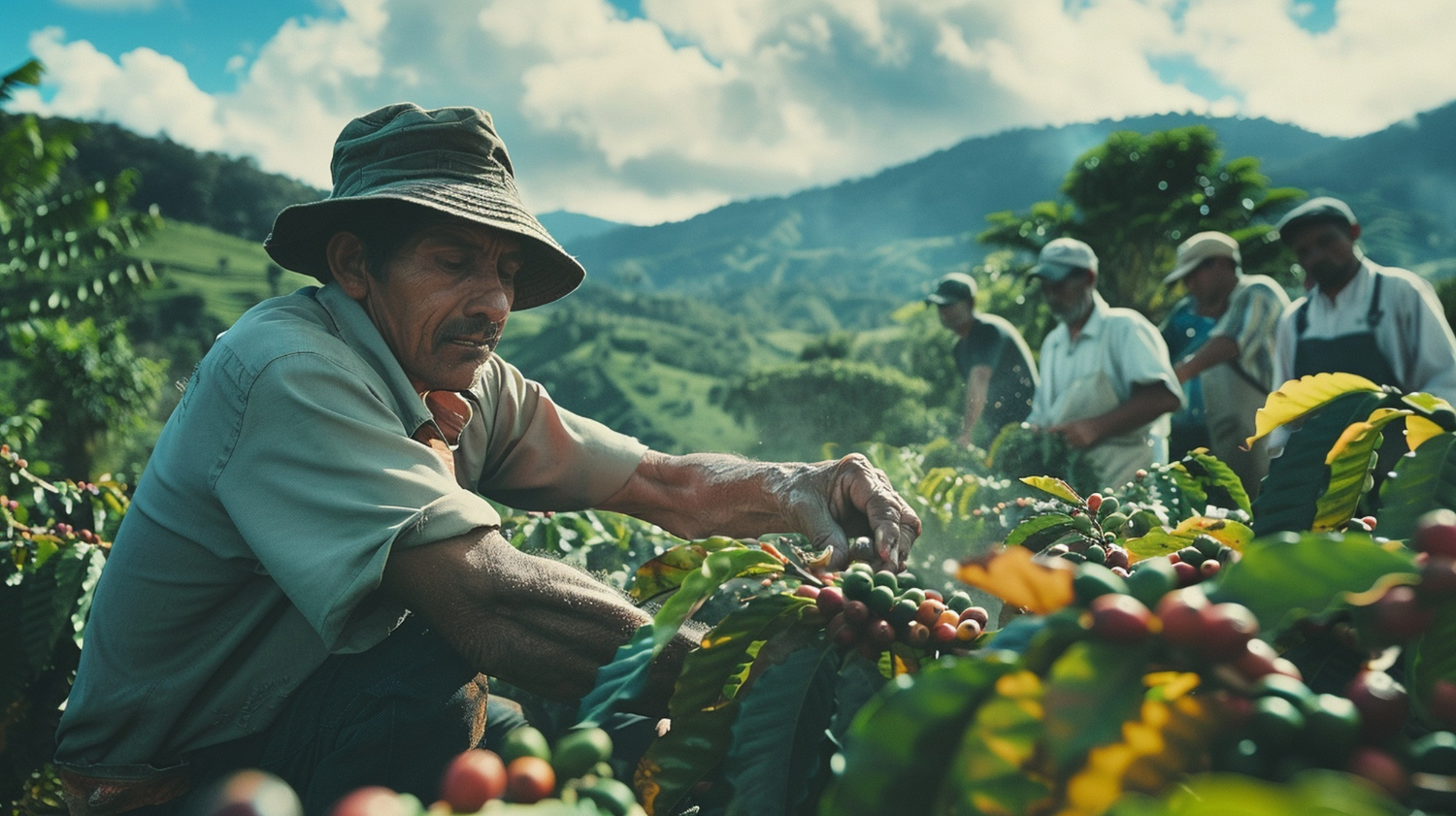
Traditional vs Modern Farming — What Changes In The Cup
“Traditional” often means shade-grown, mixed agroforestry, manual weeding, organic mulches, and selective hand-picking. “Modern” typically adds precision nutrition, irrigation where viable, calibrated pruning, targeted IPM (integrated pest management), and data logging for farm and mill decisions. Neither approach is inherently “better”—the best farms combine ecological wisdom with targeted technology to protect quality and livelihoods.
| Aspect | Traditional | Modern |
|---|---|---|
| Shade & Biodiversity | Canopy trees moderate heat; leaf litter builds organic matter and soil life | Planned shade densities; species selection optimizes light, nitrogen-fixation, and pest habitat |
| Nutrition | Compost/manure, slower mineralization, lower input cost | Soil/leaf tests guide N-P-K + micros; timed applications raise yield and cup uniformity |
| Pest & Disease | Cultural controls, sanitation, resistant varieties where available | IPM with thresholds, selective sprays or bio-controls; monitoring apps |
| Harvesting | Selective hand-picking; careful cherry floats | Selective picking + sorting tech (optical/UV), real-time brix checks |
| Cup Outcomes* | Distinct terroir, aromatic complexity; variable yield | Consistency, clean cups across volumes; requires skill to avoid “flat” profiles |
Roaster takeaway: Prioritize picking selectivity, drying control, and post-arrival QC over ideology. Many excellent lots blend traditional shade with modern QC.
Ask sellers how they manage over-ripe/under-ripe cherries. Sorting discipline is one of the best predictors of clean cups.
Smallholder vs Estate Plantations — Different Strengths To Source From
Coffee supply is built on two main farm models. Smallholders (often 0.5–5 ha) sell cherries or parchment to co-ops and mills. Estates (hundreds to thousands of hectares) integrate farm and processing with capital-intensive infrastructure. Each model carries distinct strengths for buyers.
| Dimension | Smallholder | Estate Plantation |
|---|---|---|
| Diversity | High micro-lot diversity; local heirlooms; unique flavor signatures | Focused varieties; tighter agronomy; uniform lots |
| Processing | Co-op or centralized mills; quality depends on intake/sorting controls | On-site mills; strict SOPs for fermentation/drying; traceable batches |
| Risk & Consistency | Weather/logistics variability; needs strong mill QC | Stable volumes and specs; scalable replacement mapping |
| Impact | Purchases support many families; premiums drive community outcomes | Efficient operations; can invest in R&D, nurseries, and drying tech |
| Cup Positioning | Standout single origins; expressive naturals/honeys | Dependable blend bases; clean washed lots for espresso/filter |
Blending strategy: Anchor a menu with a clean washed estate lot for consistency, then feature smallholder micro-lots seasonally for storytelling. See Latin America Expansion and Asia–Pacific Growth for regional sourcing context.
With Scofi’s local stock and cup-verified lots, you can sample both models side-by-side and approve domestically without import delays.
Farm-to-Cup Traceability — Protecting Quality & Accountability
Traceability connects farm → mill → exporter → importer → roaster. For roasters, this means predictable specifications, faster root-cause analysis when cups drift, and easier replacement mapping across seasons. For producers, traceability secures premiums and incentivizes quality.
- Lot identity: farm/micro-region, elevation, variety, process, drying method, packaging.
- QC logs: moisture (~10–12%), water activity (when available), defect counts, density, SCA cup forms.
- Processing detail: fermentation time/temp, washing/soaking stages, bed type, target moisture, storage conditions.
- Sustainability data: shade/soil practices, IPM notes, certifications (Certifications).
On bar: clear traceability supports menu storytelling and price anchoring. Consumers increasingly pay for origin clarity and verifiable quality.
Ask for lot code + station/wet mill name, elevation band, process, drying days, and arrival QC in Malaysia before you confirm.
Practices That Move The Needle On Cup Quality
Selective Picking
Red-ripe cherry selection, float tests, and shade staging cut underripe/over-ripe taints. This is the #1 driver of clean cups.
Drying Control
Raised beds with frequent turning and covered parabolic dryers protect against rain and mildew; naturals show fruit without phenolics.
Water & Heat Management
Cool, breezy drying windows and controlled fermentation temperatures stabilize acids and sweetness for filter clarity.
Buyer Checklist — Farming Method Signals To Verify
| Signal | What To Ask | Why It Matters |
|---|---|---|
| Shade & pruning | Species, density, pruning cycle | Heat moderation, uniform fruiting |
| Nutrition plan | Soil/leaf tests; K/Ca/Mg strategy | Sugar transport, seed structure |
| Harvest discipline | Picker training, brix targets, sorting | Reduces defects; clean cups |
| Fermentation control | Time/temp, pH, soaking stages | Consistency, clarity |
| Drying infrastructure | Raised beds, cover, turning schedule | Avoids mold/phenolics |
| Arrival QC (MY) | Moisture 10–12%, defects, cup forms | Confirms match with pre-shipment |
Keep Exploring With Scofi
Heirloom diversity and washed precision.
How estates and co-ops shaped modern supply.
Indonesia, Vietnam, PNG specialty momentum.
Washed, natural, honey, experimental.
AA/SHB/EP, defects, and screen sizes.
Samples, approvals, Malaysia-local delivery.
Local stock, QC on arrival, rapid sampling.
FAQ — Arabica Farming Methods
Is traditional farming always more “specialty” than modern?
What should I prioritize when selecting lots?
Do estates always offer better traceability?
How do farming models affect price?
Which model is best for milk-heavy espresso?
What traceability data should I request?
Does selective picking really matter that much?
Can Scofi supply both estate and smallholder coffees?
Build A Farming-Smart Coffee Program With Scofi
Tell us your menu goals and budget. We’ll shortlist estate and smallholder lots, send Malaysia-local samples, and arrange delivery or pickup.