
Arabica Vs Robusta — Taste, Caffeine, Price & What Specialty Roasters Should Choose
Confused by Arabica vs Robusta? This guide compares flavor, caffeine, price dynamics, and consumer trends—then turns it into practical buying advice for Malaysian roasteries and cafés. As Scofi (SOO HUP SENG TRADING CO SDN BHD), we curate lots that match your menu targets, from aromatic Arabicas to carefully selected robusta components for crema and cost control.
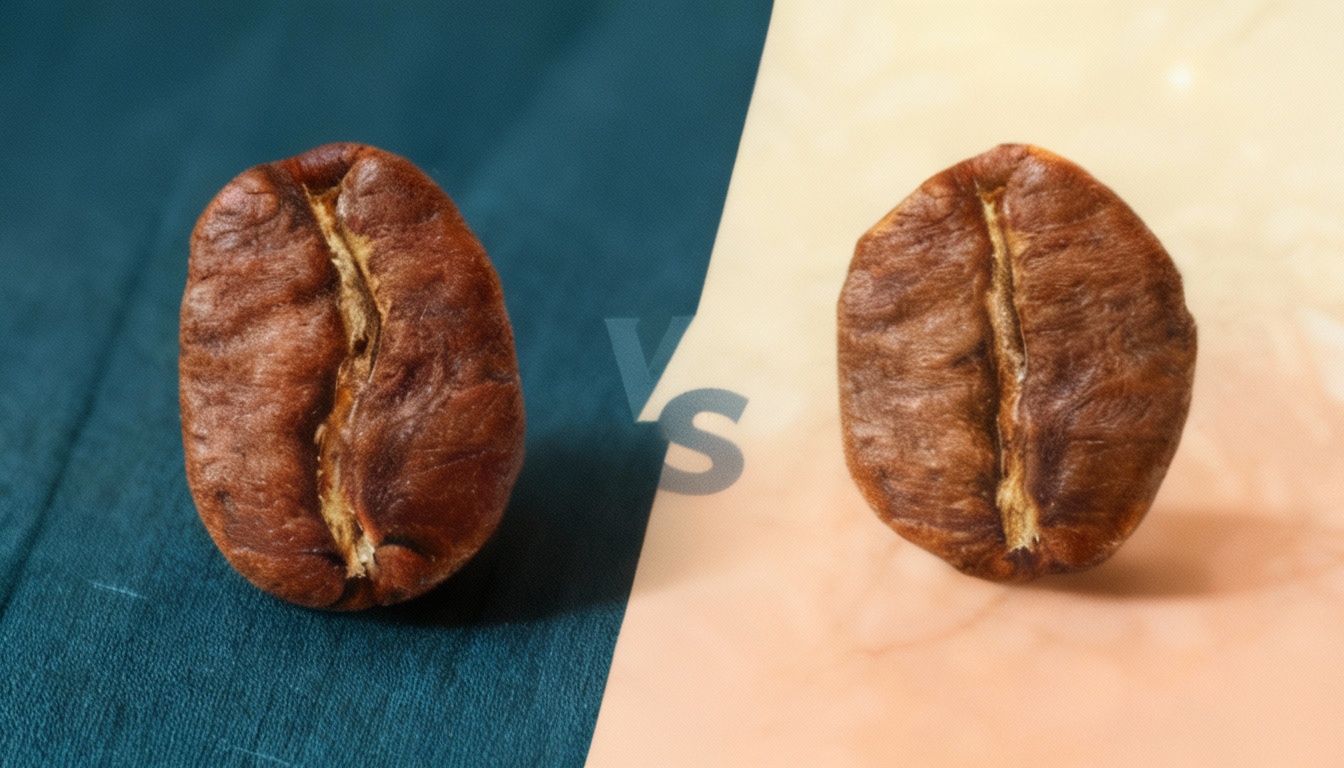
TL;DR For Buyers
Use Arabica when aroma, clarity and origin storytelling matter. Consider Robusta to reinforce crema, punch and price stability—especially in blends aimed at milk drinks and iced beverages.
Key Differences In Taste & Caffeine
Species-level chemistry explains much of the cup outcome. Arabica generally contains more sugars and lipids, encouraging sweetness and aroma retention during roasting. Robusta typically carries more caffeine and chlorogenic acids, increasing perceived bitterness and “punch.” Processing and roast development modulate these tendencies, but the patterns below hold for most lots you’ll encounter.
| Aspect | Arabica | Robusta |
|---|---|---|
| Typical flavor | Floral, fruity, citrus, caramel; clean finish with clear acidity | Bold, earthy, nutty; heavier body and stronger bitterness |
| Caffeine content | Lower — smoother perception, easier late-day shots | Higher — more stimulant effect; adds “kick” in blends |
| Mouthfeel | Silky to syrupy; elegant structure | Dense, heavy; boosts crema and tactile persistence |
| Roast tolerance | Shines at light–medium for aroma; medium for balance | Handles medium–dark; bitterness needs careful control |
| Best use | Single-origin filter/espresso; premium blend base | Minor blend component for crema/strength; instant/RTD |
Lean Arabica for your hero offerings. Add a 5–20% robusta share (depending on roast style) for milk-heavy and iced beverages where mouthfeel and crema shape perception. See Espresso Setup and Filter Brew for extraction baselines.
Meet The Arabica Bean
Arabica (Coffea arabica) is the cornerstone of specialty coffee. Grown mostly at higher elevations, it matures slowly, building sugars and complex aromatics. In the roaster, those sugars drive caramelisation and sweetness; in the cup, you’ll find jasmine, citrus, stone fruit, cocoa and caramel depending on origin and process.
- Cup profile: Clean, layered sweetness, refined acidity, long finish.
- Best contexts: Single-origin filter, modern espresso, premium blend base.
- Buyer note: Prioritise moisture 10–12%, screen size consistency and cup score ≥84 for standout singles.
Deepen your selection with origin-specific pages: Ethiopia (aromatics & florals), Latin America (chocolate-nut), and Asia-Pacific (unique terroirs). Understand how altitude and processing shape taste.
Meet The Robusta Bean
Robusta (Coffea canephora) is valued for resilience, yield and tactile impact. It brings body, crema and punch to espresso blends and supports consistent performance in milk and iced beverages. Quality-focused processing can reveal cocoa, roasted nuts and dark-sugar notes when bitterness is well managed.
- Cup role: Structure and crema booster; raises perceived strength.
- Best contexts: Espresso blends for milk-heavy menus; cost-stable SKUs.
- Buyer note: Keep additions modest (5–15%). Cup for bitterness/astringency and adjust roast development to smooth edges.
When dialing in a house blend, adjust robusta in 2–3% steps and monitor crema height, shot time and milk integration at standard beverage sizes.
Price Comparison & Budgeting
Arabica futures and robusta futures follow different exchanges and supply dynamics. Historically, Arabica trades at a premium due to quality expectations, altitude requirements and post-harvest labour. Robusta’s lower floor price and higher yields make it attractive for large-scale roasting, instant coffee and value blends. Exceptional Arabica microlots can command multiples of commodity prices, while fine robusta can achieve premiums when processed with care.
What drives Arabica prices?
- Elevation and selective picking
- Washed/honey processing labour
- Specialty grading and cup score
- Weather volatility in highlands
What drives Robusta prices?
- Yield robustness and mechanisation
- Demand from instant/RTD manufacturers
- Substitution when Arabica premiums widen
For a stable café menu, combine a reliable chocolate-nut Latin Arabica base with seasonal highlights. Use a modest robusta percentage if you need margin headroom without sacrificing crema. Track Arabica Prices and align contracting windows with harvest calendars.
Which Is Better For Specialty Roasters?
“Better” depends on your brand promise and beverage mix. If your guests seek origin stories and tasting flights, Arabica typically delivers higher scores and greater willingness-to-pay. If your core sales are milk-heavy espresso drinks, a blend with a measured robusta component can amplify body and crema for consistent texture across thousands of cups, especially during iced-drink rushes.
Single-Origin Program
Prioritize washed Ethiopian and Central American washed Arabicas for contrast. Add a seasonal experimental process to keep regulars engaged. See Processing Methods.
House Blend For Milk
Start with a chocolate-forward Brazil/Latin Arabica base. Test 5–10% high-quality robusta; evaluate crema, shot time and bitterness. Adjust by 2–3% increments.
Cost Containment
When premiums surge, trim top-end microlots and rely on dependable regional lots. Maintain a small robusta fraction to protect margins while preserving flavor direction. Learn how we grade in Grading Standards.
Consumer Preference Trends In Malaysia
Urban consumers are increasingly curious about origin transparency, brewing methods and lighter roasts that highlight aroma—pushing demand toward Arabica. Value-seeking segments still prefer blends with familiar chocolate-nut flavours and a strong espresso presence. Younger audiences favour iced beverages; for these, crema and body can matter as much as aromatics—an opening for carefully selected robusta components in your house blend.
Education deepens acceptance: cafés host cuppings and filter flights, while roasters publish tasting notes and processing details. When guests understand the story, they more readily accept price uplifts for higher-scoring Arabicas. In this context, using robusta becomes a technical choice—not a compromise—when it improves texture and consistency for specific drinks.
How Scofi Supports You (Supplier Role In Malaysia)
As a Malaysia-based supplier, Scofi helps translate principles into real lots and roast targets. We provide spec sheets (moisture, screen, defect counts), roast suggestions and brew baselines so your team evaluates quickly and buys confidently. Explore:
- Scofi Malaysia Supplier — local stock & nationwide delivery
- Packaging Options — jute, GrainPro, vacuum
- Storage Tips — protect quality pre-roast
- How To Buy — samples, approvals, terms
- Quality Control — cup-verified lots & retention samples
FAQ — Arabica Vs Robusta
Is Arabica always better than Robusta?
How much Robusta should I add to a house blend?
Does Robusta always taste harsh?
Which species is best for pour-over bars?
What about caffeine and customer sensitivity?
Why is Arabica more expensive?
Will a small % of Robusta ruin an Arabica blend?
How does milk change the equation?
Do consumer trends favour Arabica?
Can Scofi propose both Arabica and Robusta options?
Keep Exploring With Scofi
How elevation affects taste & aroma.
Temperature & rainfall needs for Arabica.
Washed, natural, honey, experimental.
Checklist, samples, approvals, delivery.
Market drivers & budgeting tips.
Why Ethiopia is the “birthplace of coffee”.
Brazil, Colombia, Guatemala explained.
Indonesia, Vietnam, Papua New Guinea.
Build The Right Balance For Your Menu
Tell us your beverage mix and price targets. We’ll propose Arabica single origins and measured robusta components, send samples and handle delivery across Malaysia.