
Sustainable Arabica Farming — Fair Trade & Low-Carbon Practices
Sustainability is how we protect flavor. This guide explains ethical sourcing (fair trade, farmer equity), practical ways to shrink a coffee program’s carbon footprint, and farm-level adaptations that keep quality resilient. All recommendations are grounded in cup data, QC logs, and Malaysia-local operations by Scofi (SOO HUP SENG TRADING CO SDN BHD).
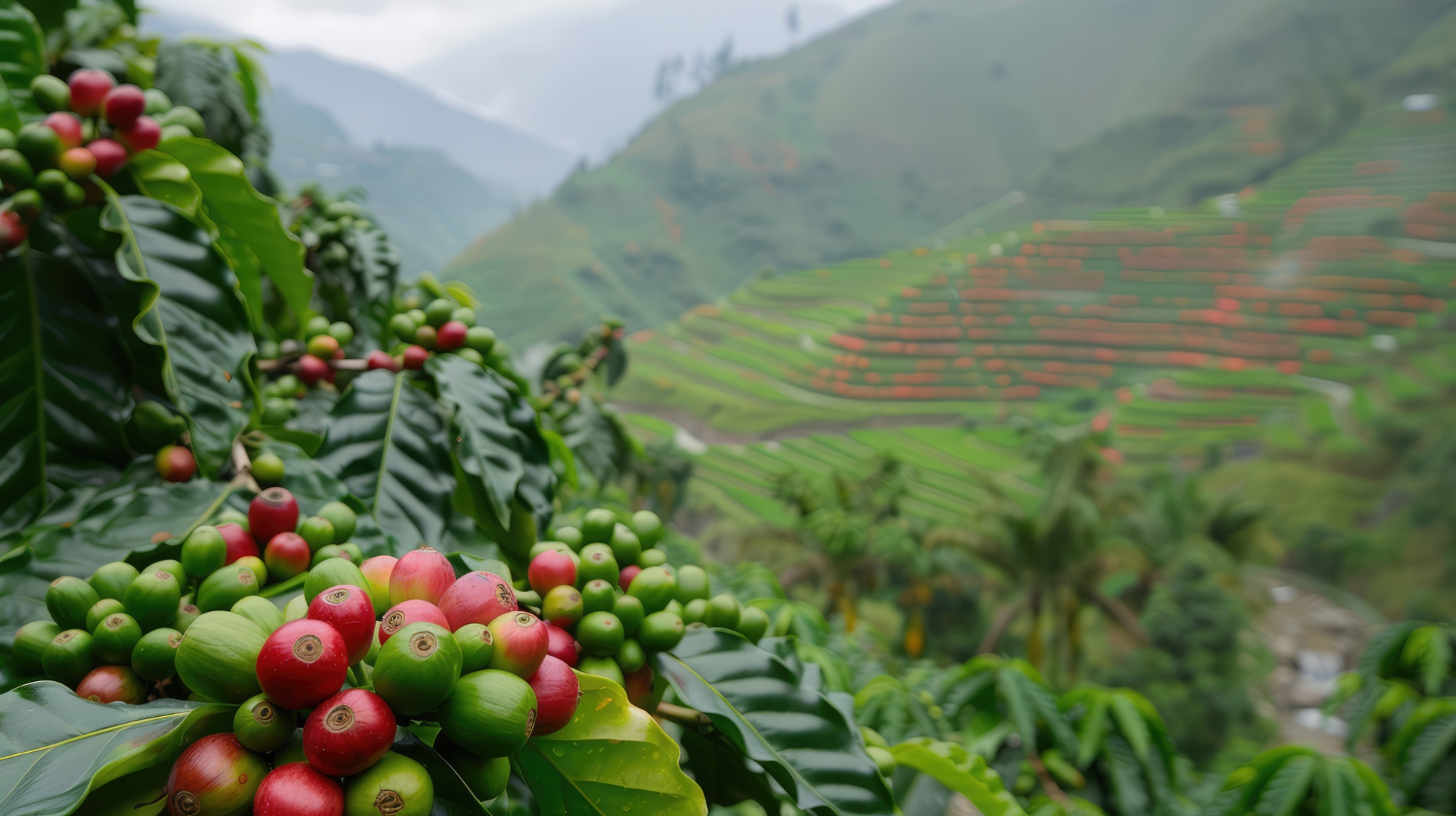
Why Sustainable Farming Matters To Your Cup
Arabica is climate-sensitive. Heat waves, erratic rain, and disease pressure can flatten sweetness and introduce defects. Sustainable farming isn’t a marketing badge—it’s the operating system that keeps clarity, sweetness, and terroir intact. For Malaysian buyers, the win is practical: better consistency, fewer re-calibration cycles, and stronger guest trust.
- Flavor stability: Shade, soil health, and clean drying preserve aromatics and reduce phenolic risk.
- Reliable supply: Resilient farms ride out weather shocks, lowering last-minute menu changes.
- Brand value: Ethical sourcing and traceability improve willingness-to-pay for premium Arabicas.
Our proposals include moisture (≈10–12%), screen & defect counts, SCA cupping forms, station traceability, and arrival QC in Malaysia—evidence behind every claim we make.
Fair Trade & Ethical Farming — What We Check
Scofi prioritises partners who practice fair compensation, safe working conditions, and transparent transactions. Whether or not a lot carries a Fair Trade mark, we ask for the underlying proof:
- Price & equity: Farm-gate price vs. local market, premiums for quality, and payment timing.
- Worker welfare: Safety gear, reasonable hours, and zero tolerance for forced or child labour.
- Traceability: Station/farm IDs, harvest windows, and lot-level drying records.
Certified lots (Organic, Rainforest Alliance, Fair Trade) are available on request with documentation. We keep digital copies to support your audits and marketing claims.
| Documents we keep | Certificates, station logs, QC sheets, shipping & intake notes (MY) |
| Lot data | Origin, altitude, variety, process, screen, moisture, cupping notes |
| Use cases | Menu storytelling, staff training, compliance, and tender submissions |
Reducing Carbon Footprint — From Farm To Malaysia
We reduce emissions by favouring clean processing and smart logistics—then we keep your R&D cycles local.
- Processing choices: Covered raised beds, efficient water use, and defect reduction to minimise waste.
- Packaging fit: Jute for fast turnover, GrainPro for moisture barrier, vacuum for premium longevity—use the lightest option that protects quality.
- Local advantage: Scofi maintains Malaysia-local stock. You sample, approve, and receive domestically—no import waiting, fewer freight variables.
On your side, align roast days and delivery cadences to reduce cold-chain and storage energy while keeping cups fresh.
Quick Wins For Cafés & Roasters
- Batch deliveries that match roast cadence
- Choose packaging by turnover (don’t over-spec)
- Dial brew ratios to avoid waste during rush
The Sustainable Future Of Arabica — Adaptation Without Compromise
Heat waves, erratic rainfall, and disease pressure are reshaping Arabica. The future lies in resilient farm design, climate-smart varieties, clean processing, and buyer partnerships that honour quality. Sustainability is not a downgrade in flavor—it’s the toolkit that protects flavor.
Farm-Level Adaptations Likely To Scale
- Shade intensification & wind breaks: Cooler canopies, steadier flowering, lower cherry stress.
- Soil regeneration: Compost, mulches, cover crops to improve water retention and nutrient cycling.
- Varietal strategy: Combine high-quality lines (Typica/Bourbon/SL) with tolerant selections; keep micro-lots for excellence.
- Drying infrastructure: Covered raised beds, solar tunnels, and selective mechanical assist for rainy spells.
Evidence & EEAT
We pair field notes from partners with arrival QC: moisture (≈10–12%), screen, defect counts, and SCA cupping against your target profile.
Risk Management
Balance your menu: a Brazil base for texture, a washed Ethiopia for aromatics, a Central American washed for structure, plus a seasonal natural or honey.
Training & Comms
We provide short roast/brew baselines and menu copy cues so your staff can communicate sustainability credibly—without jargon.
FAQ — Sustainable Arabica Farming
Is “sustainable” the same as “organic”?
Do certified coffees always taste better?
How does shade help flavor?
Can low-carbon packaging hurt freshness?
What’s Scofi’s role in sustainability?
Can you supply Fair Trade / RFA / Organic?
What’s the fastest way to reduce our café’s footprint?
How do you protect consistency across seasons?
Does sustainable mean more expensive?
Do you support staff training?
Keep Exploring Sustainability With Scofi
Certification basics, market demand, and trade-offs.
Canopy, biodiversity, and cup outcomes.
Why volcanic and loamy soils shape sweetness.
Elevation, density, and roast behavior.
Washed, natural, honey, and experimental.
Samples, approvals, and Malaysia delivery.
Ready To Build A Sustainable, Consistent Coffee Program?
Tell us your flavor targets, roast style, certifications, and cadence. We’ll shortlist traceable lots, send samples locally, and arrange domestic delivery or pickup from Malaysia stock.