
Soil Conditions for Arabica — Fertility, Texture & Mineral-Driven Flavor
Arabica thrives where soils balance fertility, structure, drainage, and biology. This guide explains why soil matters for plant health and cup quality, compares volcanic vs sandy profiles, and shows how minerals and organic matter shape sweetness, acidity, and mouthfeel—translated into practical specs for Malaysian roasters and cafés.
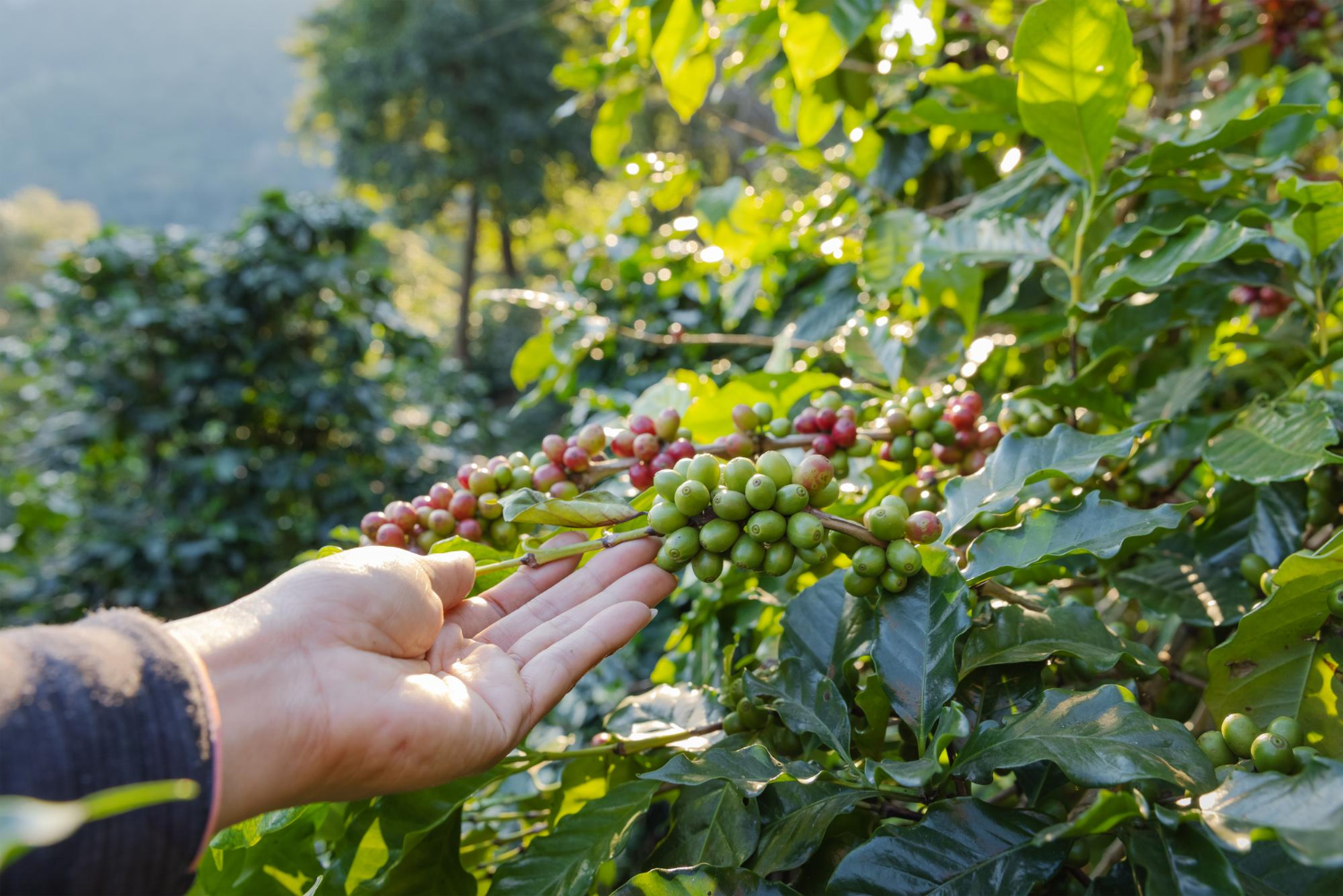
Importance of Soil Fertility & Structure
Soil is both pantry and plumbing for coffee: it stores nutrients, regulates water, buffers pH, and hosts the microbiology that helps roots absorb minerals. For Arabica, balanced fertility and well-structured, well-drained profiles support steady growth, uniform cherry development, and clean flavor. Overly compact or waterlogged soils restrict oxygen and root depth, raising disease pressure and producing inconsistent cups.
- Organic matter (OM): fuels microbial life; improves cation exchange capacity (CEC) and moisture retention.
- Structure & porosity: allows roots to breathe; prevents anaerobic pockets that stress plants.
- Drainage: excess water moves away quickly; surface mulches slow evaporation and temperature swings.
- pH balance: Arabica generally favors slightly acidic soils (≈5.3–6.5) for nutrient availability.
Buyer perspective: farms that invest in OM (compost, cover crops), contouring, and mulches tend to deliver more stable cup scores across harvests. Ask for farm-level notes in offers: How To Buy.
Healthy soils → denser seeds → even roasting and clearer extraction windows. Expect better sweetness and acidity precision on bar.
Volcanic Soil vs Sandy Soil — How They Differ
Soil “type” is really a cluster of traits: particle size distribution (sand/silt/clay), mineral origin, organic matter content, and depth. Two common coffee contexts are volcanic (young, ash-derived, often andisols) and sandy (coarser textures with lower OM). Each affects water, roots, and flavor outcomes.
| Attribute | Volcanic (Andisols) | Sandy |
|---|---|---|
| Texture & OM | Fine, high OM potential, high CEC; spongy structure holds moisture without waterlogging | Coarse, low OM; low CEC; dries fast and leaches nutrients |
| Water Behavior | Good retention + drainage → stable moisture throughout root zone | Rapid drainage → frequent irrigation/OM needed to avoid stress |
| Nutrient Dynamics | Strong nutrient-holding capacity; P-fixation possible—managed with organic P | Low holding capacity; N/K/Ca/Mg supplementation essential; losses after heavy rain |
| Typical Cup Tendencies* | Layered sweetness, clarity, citrus/stone fruit when climate and processing align | Comforting chocolate-nut at lower elevations; brightness depends on climate/variety |
Taste is multi-factorial. See Altitude Impact and Processing Methods for bigger drivers.
Soil & Mineral Effects on Bean Flavor
Minerals don’t “flavor” beans directly like spices; they shape plant metabolism and cherry development. Balanced macro- and micronutrients influence sugar accumulation, acid composition, and seed density—factors that translate into sweetness, clarity, and tactile feel.
- Potassium (K): supports sugar transport; adequate K correlates with sweetness and body when not over-applied.
- Calcium (Ca): strengthens cell walls; linked to seed structure and better roasting behavior.
- Magnesium (Mg): central to chlorophyll; energy for photosynthesis → balanced acidity.
- Phosphorus (P): root vigor and flowering; over-fixation in volcanic soils requires organic P strategies.
- Micros (B, Zn, Mn, Cu): critical enzymes and fruit set; deficiency → poor fill and uneven cups.
Buyer takeaway: farms that test soils and foliar feeds judiciously tend to deliver repeatable cup profiles. Ask for agronomy notes with offers from Ethiopia, Latin America and Asia–Pacific.
Mineral-balanced, dense seeds accept gentle development and yield finer grind ranges before astringency appears during extraction.
Practical Soil Management You’ll See In Quality Lots
Organic Matter & Cover
Compost, leaf litter, prunings, and cover crops build OM and CEC, stabilize moisture, and buffer nutrients across seasons.
Contour & Mulch
Terraces, swales, and mulches slow runoff, reduce erosion, and keep root zones cooler in hot spells.
Targeted Nutrition
Soil/leaf testing guides N-P-K and micronutrient applications; timing matches phenology (pre-flower, fruit fill).
Spec Checklist For Buyers (Malaysia)
| Spec | What To Ask | Why It Matters |
|---|---|---|
| Soil type | Volcanic/andisol vs sandy/loamy; depth & drainage | Predicts moisture stability & plant vigor |
| Organic matter | % OM or practices (mulch/compost/cover) | Supports microbes, nutrition & water holding |
| pH & CEC | pH range, cation exchange capacity if available | Nutrient availability & buffering |
| Nutrition plan | K, Ca, Mg, micro strategies; timing | Sugar development & seed structure |
| Erosion control | Terracing, contouring, mulching | Root stability & long-term consistency |
| Post-harvest | Drying method, rain cover, target moisture 10–12% | Cup cleanliness & shelf-life |
| Packaging | Jute vs GrainPro vs vacuum | Humidity protection in Malaysia |
Keep Exploring With Scofi
Elevation, cool nights, and cup structure.
Why climate and drying infrastructure matter.
Species chemistry and blend roles.
Samples, approvals, and Malaysia-local delivery.
Local stock, QC on arrival, rapid sampling.
Protect sweetness and aromatics pre-roast.
FAQ — Soil Conditions For Arabica
What soil pH is best for Arabica?
Why is organic matter so important?
Do volcanic soils always taste better?
Can sandy soils produce high-scoring coffee?
Which minerals most affect sweetness?
How does soil appear in roast behavior?
What should I request in offers?
Does packaging choice relate to soil?
Are micronutrients worth tracking?
Can Scofi help shortlist soil-fit origins?
Source Soil-Smart Arabica With Scofi
Tell us your flavor targets, roast style, and budget. We’ll shortlist soil-fit lots from Malaysia-local stock, send samples, and arrange delivery or pickup.