
Arabica Roasting Levels — Light, Medium, Dark & How Flavor Changes
Roast level is the bridge between green coffee potential and what ends up in the cup. For Arabica, the right roast can highlight florals, fruit, sweetness, and balance—while the wrong roast can mute aromatics or push bitterness. This guide explains light, medium, and dark roast, how flavor changes by roast profile, and which level suits Arabica best for filter and espresso menus in Malaysia.
Scofi (SOO HUP SENG TRADING CO SDN BHD) supports roasteries with Malaysia-local green coffee stock, specs, and sampling so you can dial profiles faster.
Why Roast Level Matters More Than Many Think
Coffee roasting is controlled chemistry. As beans heat, they undergo drying, Maillard reactions, caramelization, and the development of hundreds of aromatic compounds. Roast level influences not only flavor but also extraction behavior: lighter roasts can be denser and more soluble-challenging, while darker roasts extract faster and can become bitter if pushed too far.
For Arabica, the goal is often to preserve origin character—floral, citrus, stone fruit, cocoa, caramel—while creating enough sweetness and structure for the intended brew method. That “intended brew method” is the key: a roast built for filter can taste sour or thin in espresso, and a roast designed for milk-heavy espresso can taste heavy and muted as a pour-over.
Practical takeaway Roast for the drink. Start with your menu role (filter, espresso, milk ratio, iced share), then choose roast level and development to match.
Filter Goal
Clarity, florals, citrus, and clean sweetness. See Filter Brew Arabica.
Espresso Goal
Body, sweetness, and stable extraction—especially with milk. See Espresso Arabica.
QC Goal
Moisture and defect control improves roast stability. See Quality Control.
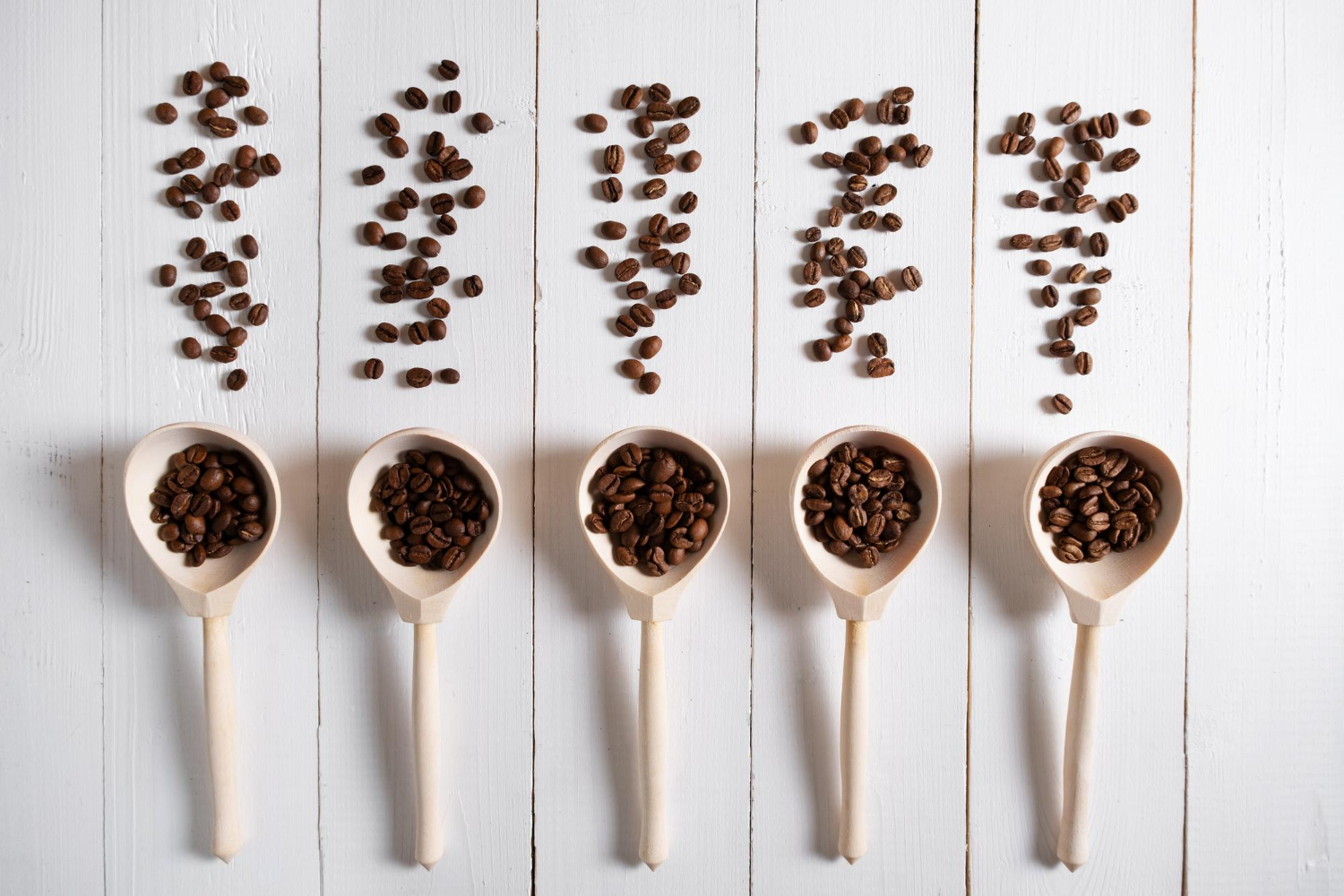
Light, Medium, Dark Roast — What Each Level Means
Roast levels are often described by color (light/medium/dark), but roasters care more about the time-temperature curve and the balance of drying, Maillard, and development. Still, roast “level” is useful for buyers and cafés because it correlates with typical flavor outcomes.
| Roast Level | Typical Flavor | Extraction Feel | Best Use |
|---|---|---|---|
| Light | Floral, citrus, tea-like; bright fruit; high clarity | Can be harder to extract; needs good grinder/water | Pour-over, drip, batch; modern espresso for clarity |
| Medium | Balanced sweetness, caramel, cocoa; fruit still present | Easier dialing; good body and sweetness | All-rounder: espresso + milk drinks + filter |
| Dark | Roast-forward: chocolate, smoke, bitter-sweet; less origin clarity | Extracts fast; bitterness risk if overdone | Traditional espresso, certain milk-heavy menus; avoid for delicate filter |
Flavor Changes by Roast Profile — What Moves, What Stays
When people say “roast level changes flavor,” they’re noticing shifts in three overlapping zones: origin character (fruit/floral/citrus), sweetness and caramelization, and roast notes (chocolate, smoke, bittersweet). A well-built roast preserves origin while adding sweetness; an over-roast can erase origin and replace it with generic roast character.
Light roast: preserve aromatics
Light roasts are ideal for Arabica lots with high aromatic potential—washed Ethiopians (jasmine/bergamot), high-elevation Centrals (citrus/caramel), and clean Kenyans (berry/citrus). The challenge is extraction: lighter roasts can feel sour or thin if under-extracted. To succeed, cafés need stable grinders, good water, and dialed recipes.
Medium roast: the “sweet spot” for many Malaysian menus
Medium roast is often the most practical for cafés because it balances sweetness, body, and stable extraction. It keeps enough origin nuance for single-origin storytelling while producing syrupy texture for milk drinks. For many outlets in Malaysia—where iced and milk beverages are popular—medium roasts provide the most repeatable guest satisfaction.
Dark roast: manage bitterness carefully
Dark roasts emphasize roast-derived flavors (bittersweet chocolate, smoke, toasted notes). They can work for traditional espresso styles and some milk-heavy menus. But for Arabica, going too dark can flatten the coffee and introduce harsh bitterness. If you must roast dark, prioritize clean green coffee, avoid scorching, and tighten extraction to reduce bitterness.
Flavor Language
Use the flavor wheel to describe roast outcomes. See Flavor Wheel.
Defects & Roast
Defects become more obvious at lighter roasts. See Defect Detection.
Moisture Consistency
Stable green moisture helps stable roasts. See Moisture Levels.
Which Roast Level Suits Arabica Best?
Arabica generally shines at light to medium. That range protects aromatics and maintains sweetness while keeping extraction stable. But “best” depends on your customers and beverages:
- Pour-over / filter bars: light to light-medium for florals, citrus, and clarity.
- Modern espresso: light-medium to medium for balanced acidity and syrupy sweetness.
- Milk-heavy espresso: medium for chocolate-caramel sweetness and consistent body.
- Traditional espresso tastes: medium-dark (carefully) for roast-forward comfort, but avoid harshness.
Origin examples (how roast interacts with typical profiles)
Roast choice should reflect origin character:
- Ethiopia washed: best at light to light-medium to preserve jasmine/bergamot. Explore Ethiopia Origin.
- Brazil pulped-natural: medium for chocolate-nut base in milk. Explore Latin America.
- Asia-Pacific naturals/honey: medium to keep fruit sweet without ferment harshness. Explore Asia-Pacific.
Scofi does not promote a “one roast for all.” We propose lots by menu role, provide Malaysia-local samples, and help you dial roast targets that keep cups consistent across weeks of service.
A Practical Workflow: From Sample Roast to Production Profile
Roasters often struggle not with “roast level,” but with repeatability. A simple workflow keeps quality stable:
- Define beverage targets: filter vs espresso, milk ratio, iced share, and price tier.
- Choose green specs: moisture ~10–12%, consistent screen, low defects, and a cup profile suited to the target.
- Sample roast intentionally: one profile for filter intent, one for espresso intent; cup with calibrated notes.
- Lock a production window: keep development consistent; avoid batch-to-batch drift.
- Validate on bar: record extraction and taste; adjust profile modestly, not wildly.
- Store correctly: protect green and roasted beans from humidity and odor. See Storage Tips.
Cupping Discipline
Use consistent scoring language. See Cupping Guide.
Buyer Workflow
Shortlist, sample, approve, deliver. See How to Buy.
Packaging & Freshness
Protect aromatics through storage cycles. See Packaging Options.
Explore Related Roasting & Brewing Guides
Pour-over, drip, siphon and why filter highlights nuance.
Blend strategy, crema, and café performance.
Washed, natural, honey, experimental.
How to describe roast-driven flavor shifts.
Sorting and defect impact on flavor.
Why 10–12% helps roast stability.
Specs and arrival QC in Malaysia.
Local stock for faster sampling and delivery.
FAQ — Arabica Roasting Levels
Is light roast always more acidic?
Which roast is best for milk drinks?
Why do light roasts taste sour sometimes?
Does dark roast have more caffeine?
Can Arabica be roasted dark?
How do I choose roast level for a single origin?
Is “medium” the safest for cafés?
What green specs improve roast consistency?
Should filter and espresso use the same roast?
Can Scofi help shortlist Arabica lots for specific roast styles?
Dial the Right Roast — With the Right Arabica Lots
Tell us your roast intent (filter, espresso, milk ratio) and flavor direction. We’ll shortlist Arabica lots, send Malaysia-local samples, and support domestic delivery or pickup with QC records.