
Arabica Antioxidants — Polyphenols, Chlorogenic Acids & What Research Suggests
Arabica is loved for aroma and sweetness, but coffee is also a meaningful dietary source of polyphenols, including chlorogenic acids (CGAs). This page explains how these compounds behave in the cup, what researchers mean by “antioxidant” and “anti-inflammatory” effects, and how to interpret evidence without overclaiming.
This content is informational for roasters, cafés, and curious coffee drinkers. It does not replace medical advice. If you have health conditions or are sensitive to caffeine, consult a qualified healthcare professional.
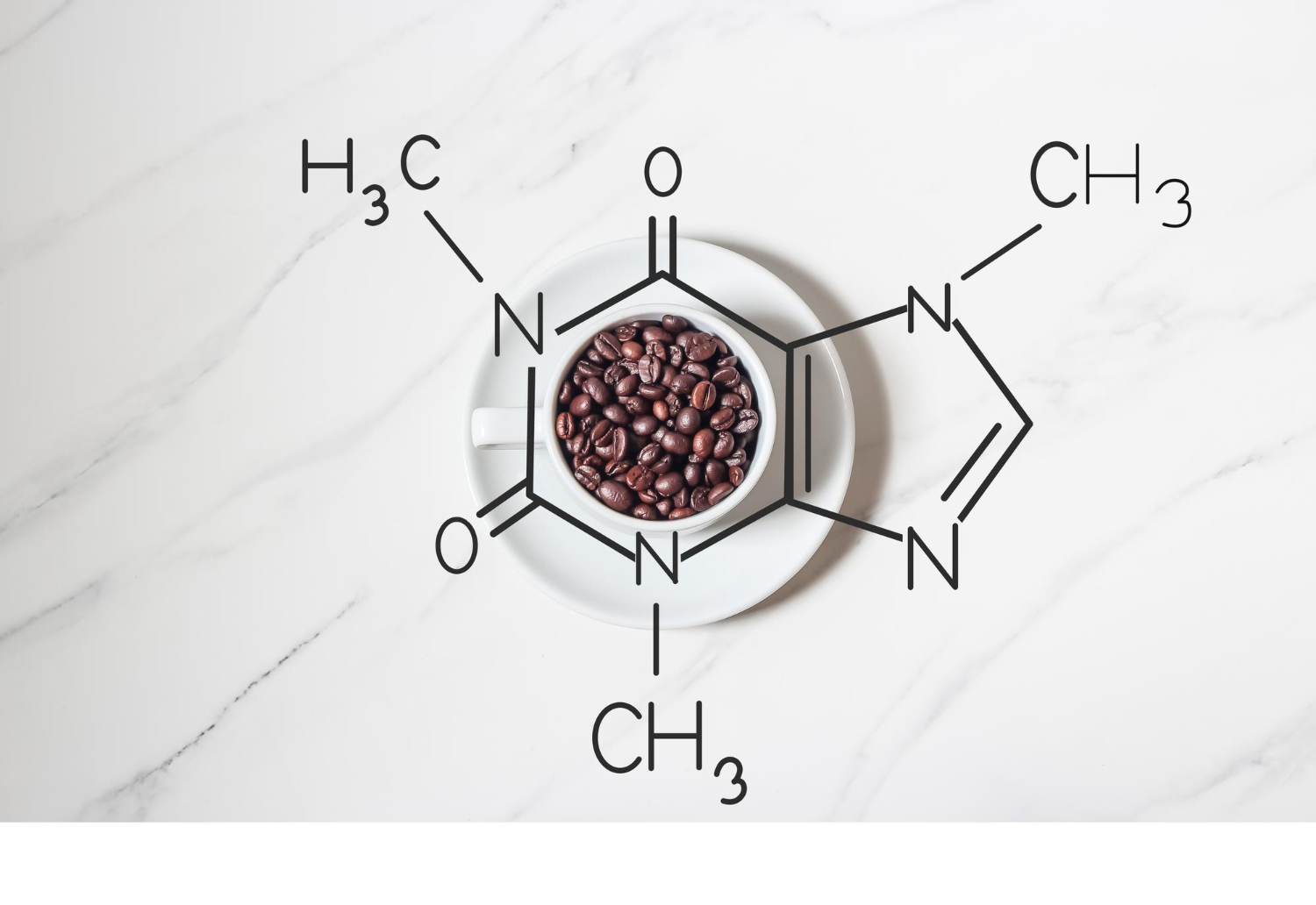
What Are Antioxidants in Coffee?
“Antioxidants” are compounds that can help reduce oxidative stress by neutralizing reactive molecules (often called free radicals). Oxidative stress is a normal part of metabolism, but it can increase during stress, poor sleep, smoking, pollution exposure, and illness. In nutrition science, researchers evaluate antioxidant activity by studying foods’ chemical content and by measuring biomarkers in people.
Coffee is complex: besides caffeine, it contains dozens of bioactive compounds, including polyphenols (like CGAs), diterpenes (cafestol and kahweol), and Maillard-derived melanoidins that form during roasting. Even when two cups taste similar, their antioxidant composition can differ by origin, variety, processing, roast level, and brew recipe.
Good to know “More antioxidant” does not automatically mean “more healthy.” The most useful approach is moderation, clean preparation, and choosing a cup that fits your tolerance and sleep patterns.
Key Compounds
Polyphenols (CGA family), melanoidins (roast), and minor phytochemicals all contribute to activity.
Origin & Processing
Washed vs natural affects flavor and chemistry. See Processing Methods.
Quality Matters
Clean green beans help produce clean cups. See Quality Control.
Polyphenols & Chlorogenic Acids (CGA) — Benefits Explained Carefully
The best-known coffee polyphenols are chlorogenic acids, which are actually a family of related compounds (for example, caffeoylquinic acids). In lab settings, CGAs can show antioxidant and anti-inflammatory activity. In real life, what matters is bioavailability—how the body absorbs and metabolizes these compounds after digestion.
Here is a practical way cafés and roasters can talk about CGAs without making medical claims:
- Antioxidant contribution: Coffee can contribute polyphenols as part of an overall balanced diet.
- Inflammation context: Research often examines biomarkers (like CRP) and observes associations; results can be mixed.
- Roast trade-off: Lighter roasts tend to preserve more CGAs; medium roasts balance sweetness and aromatics; dark roasts reduce CGAs but create other compounds.
- Brewing matters: Ratio, grind, and filter type influence extraction—see Filter Brew Arabica and Espresso Arabica.
| Factor | What Changes | What You Notice | Practical Takeaway |
|---|---|---|---|
| Origin & variety | Polyphenol mix and density | Floral vs chocolate vs fruit notes | Choose lots that fit your menu role and messaging |
| Processing | Fermentation/drying influence | Clarity vs fruit/body | Validate consistency via cupping and QC |
| Roast | CGA retention and Maillard compounds | Brighter vs deeper caramel | Pick roast for taste first; be accurate in claims |
| Brew recipe | Extraction amount and concentration | Strength, clarity, bitterness | Standardize recipes to keep serving consistent |
Anti-Inflammatory Effects — What Scientists Actually Measure
“Anti-inflammatory” is a big phrase, so it helps to translate it into measurable things. Researchers may study coffee compounds in cells (“in vitro”), in animals, or in human trials and observational cohorts. Human work often uses biomarkers such as C-reactive protein (CRP) and other inflammatory signals. Some findings suggest that moderate coffee consumption, especially black coffee, can be associated with lower levels of certain inflammatory markers in specific populations, but results are not uniform across all studies.
This is why a responsible café message is: coffee contains compounds that have shown antioxidant/anti-inflammatory activity in research, and moderate coffee intake is commonly studied in relation to health outcomes. It is not appropriate to present coffee as a “treatment” for inflammation or disease. People react differently to caffeine, acidity, and additives such as sugar.
Black Coffee vs Additives
Many studies examine black coffee; heavy sugar and syrups can change the overall diet context.
Sleep & Timing
Late caffeine can disrupt sleep in sensitive people—sleep disruption can worsen how people feel day-to-day.
Caffeine Sensitivity
Arabica often feels “smoother” due to lower caffeine. See Caffeine Content.
Research-Backed Studies — What’s Strong, What’s Mixed
Coffee is one of the most researched beverages in nutrition. But “research-backed” does not mean “proven for everyone.” Evidence typically falls into: (1) laboratory studies (useful for mechanisms), (2) observational cohorts (associations), and (3) randomized controlled trials (stronger for causality but often shorter).
1) Mechanistic and lab studies
Laboratory work consistently shows that coffee brews and coffee-derived compounds can exhibit antioxidant and anti-inflammatory activity under controlled conditions. This helps explain why researchers look at coffee’s relationship with biomarkers. It does not guarantee that the same magnitude of effect occurs in daily life for every individual.
2) Observational research and umbrella reviews
Large umbrella reviews have reported that coffee consumption is more often associated with benefit than harm across many outcomes in observational data. These studies are useful for population-level patterns, but they cannot fully remove confounding factors (for example, differences in overall diet, sleep, smoking, and activity). The responsible takeaway: moderate coffee consumption is commonly compatible with healthy patterns for many adults, but individuals should consider tolerance and sleep.
3) Biomarkers and inflammatory markers
Studies that focus on markers like CRP often show nuanced results: some populations demonstrate inverse associations at moderate intakes, while higher intakes may show no added advantage. Coffee type (black vs sweetened), roast, and brewing can also matter.
Scofi does not position coffee as medical treatment. We focus on quality (clean green beans, moisture control, consistent cupping) and honest menu education. For personal health decisions, consult a qualified professional.
Arabica vs Robusta — Antioxidants, Caffeine, and “Smoother” Perception
Both Arabica and Robusta contain antioxidants, but cafés often discuss them together because guests experience them differently. Arabica generally has lower caffeine and more sugars/lipids that support sweetness and aroma, while Robusta tends to be higher in caffeine and can taste more bitter if not handled carefully. This can influence how “strong” a cup feels—sometimes more than the measured antioxidant content.
| Aspect | Arabica | Robusta | Menu Implication |
|---|---|---|---|
| Caffeine | Lower on average | Higher on average | Arabica feels smoother; Robusta adds “kick” and crema in blends |
| Perceived bitterness | Lower bitterness; more sweetness | Higher bitterness potential | If using Robusta, keep % modest and cup carefully |
| Antioxidants | Polyphenols incl. CGAs | Also rich; profile differs | Don’t overclaim—focus on taste + moderate consumption |
| Best positioning | Origin storytelling, filter complexity | Texture, affordability, RTD blends | Offer choice: Arabica single + blend + decaf |
If you want the full flavor and buying breakdown, read: Arabica vs Robusta and Health Benefits.
Practical Use for Cafés — Talk About Antioxidants Without Overclaiming
Guests often ask: “Is Arabica healthier?” or “Does this coffee help inflammation?” A safe, accurate approach is to explain what is known and what is not. Use language like “contains”, “has been studied”, and “may be associated”, and avoid disease claims.
- Use honest menu language: “Contains polyphenols (chlorogenic acids)” rather than “prevents disease.”
- Offer caffeine-flex choices: Arabica single, house blend, and decaf.
- Standardize brewing: Stable ratios and extraction reduce bitterness and support pleasant, repeatable cups.
- Keep quality clean: Storage and QC matter for both taste and customer trust.
Filter Clarity
Pour-over highlights delicate aromatics and clean sweetness. See Filter Brew Arabica.
Espresso Balance
Blend for milk ratios and texture without excess bitterness. See Espresso Arabica.
Cupping Language
Train teams to describe flavor precisely. See Cupping Guide.
Research References (For Further Reading)
Below are examples of reputable reviews and summaries frequently cited in discussions of coffee polyphenols, antioxidant activity, and inflammation-related biomarkers. This list is for education and does not imply medical endorsement.
- Harvard T.H. Chan School of Public Health — Coffee overview and compounds (polyphenols incl. chlorogenic acid). (Read)
- Poole et al., 2017 (BMJ) — Umbrella review of meta-analyses on coffee consumption and health outcomes. (Read)
- Castaldo et al., 2021 (Nutrients/PMC) — Review on antioxidant and anti-inflammatory activity of coffee brew in research settings. (Read)
- Choi et al., 2023 (Nutrients/PMC) — Example of population study on black coffee intake and CRP association (interpret with caution). (Read)
- Nguyen et al., 2024 (PMC) — Systematic review on chlorogenic acid biological activities (broad scope). (Read)
Note: Individual studies vary in design and quality. Observational associations do not automatically mean causation.
Keep Exploring Arabica With Scofi
Metabolism, tolerance, and responsible messaging.
Arabica vs Robusta and sleep considerations.
Taste, price, and menu role comparison.
Washed, natural, honey, experimental.
Pour-over, drip, siphon basics.
Crema, body, and blend choices.
Specs, moisture and cupping logs.
Local stock for fast sampling and delivery.
FAQ — Coffee Antioxidants & Chlorogenic Acids
What are the main antioxidants in coffee?
Is Arabica higher in antioxidants than Robusta?
Do chlorogenic acids (CGA) survive roasting?
Does filter coffee have different “health” effects?
Are anti-inflammatory effects proven?
Is black coffee better than sweetened coffee?
Does caffeine affect inflammation or sleep?
Can decaf still have antioxidants?
How should cafés talk about antioxidants responsibly?
Can Scofi help source clean Arabica lots for cafés?
Serve Better Arabica — Clean Cups, Honest Education
Tell us your menu goals (filter vs espresso, milk ratio, flavor direction). We’ll shortlist Arabica lots, send Malaysia-local samples, and support delivery or pickup with clear QC records.