
Arabica Coffee & Health — Antioxidants, Metabolism, and Smart Consumption
Many Malaysians enjoy Arabica for its aromatics and sweetness. This guide summarizes the potential health benefits of Arabica—antioxidants, metabolism, and caffeine effects—alongside notes on tolerance and safe intake. It also compares Arabica vs Robusta so you can choose wisely for your menu and customers.
We focus on practical, non-medical information for roasters, cafés, and consumers. For personal health situations, please consult a qualified healthcare professional.
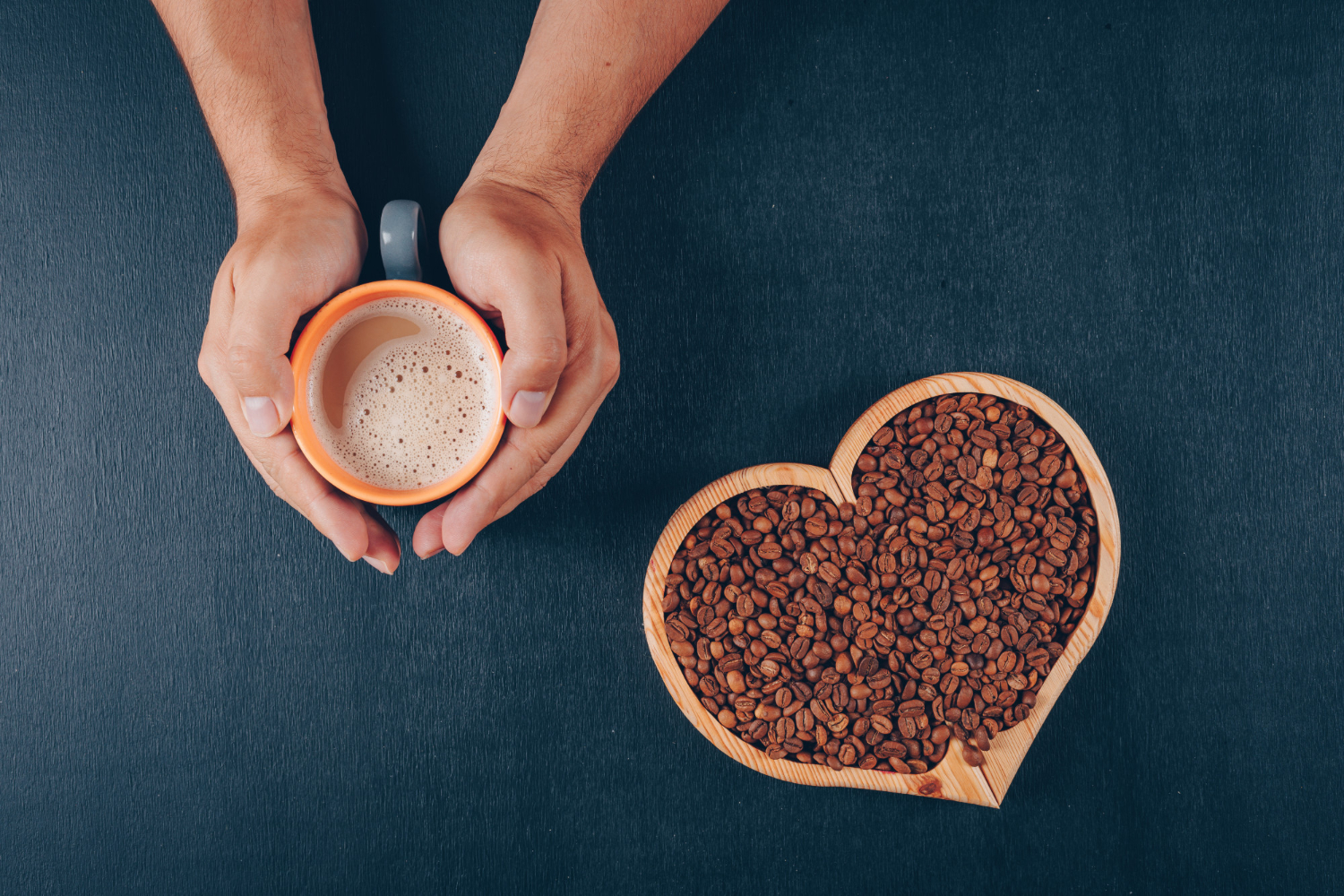
Antioxidants in Arabica — What They Are and Why They Matter
Arabica coffee contains polyphenols—including chlorogenic acids and related compounds—known for antioxidant properties. Antioxidants help neutralize free radicals generated by everyday metabolism and environmental stress. In dietary patterns that include whole foods, moderate coffee intake can contribute additional antioxidant capacity.
The roast profile influences antioxidant composition. Lighter roasts tend to preserve more chlorogenic acids; medium roasts balance flavor development with reasonable retention; darker roasts decrease chlorogenic acid content while increasing other Maillard-derived compounds. For cafés, offering a range of roast levels lets customers prioritize flavor or perceived antioxidant retention.
Key Compounds
Chlorogenic acids, melanoidins, and minor polyphenols contribute to coffee’s antioxidant activity.
Roast & Brew
Roast level and extraction style shape the cup—see Filter Arabica.
Serving Context
Balance coffee with a varied diet; avoid excess sugar/cream that can offset wellness goals.
Metabolism, Alertness & Performance — The Caffeine Discussion
Caffeine can increase alertness and may support short-term metabolic rate through thermogenic effects. Because Arabica generally contains less caffeine than robusta, it’s often preferred for those seeking aroma and balance without an overly strong stimulant effect. Individual responses vary widely due to genetics, body mass, and habitual intake.
As a practical guideline for healthy adults, many cafés recommend moderate serving sizes (e.g., a standard espresso shot or a cup of filter coffee) and avoiding late-day consumption if sleep is affected. Specialty menus can note decaf options to serve caffeine-sensitive guests.
Arabica Advantage
Lower caffeine vs robusta helps balance taste with gentler stimulation.
Timing Matters
Consider cutting off caffeine several hours before bedtime to protect sleep quality.
Decaf Inclusion
Keep a quality decaf on your board to welcome caffeine-sensitive customers.
Arabica vs Robusta — Health & Tolerance Considerations
From a wellness perspective, the biggest difference is caffeine content. On average, robusta beans contain more caffeine than Arabica. Both species provide antioxidants, but the cup experience and tolerance can differ: robusta often tastes stronger and more bitter, which some consumers associate with “strength,” while Arabica presents aromatic complexity and a smoother impression.
| Aspect | Arabica | Robusta | Practical Note |
|---|---|---|---|
| Caffeine | Lower on average | Higher on average | Arabica may suit those seeking aroma with gentler stimulation |
| Perceived Bitterness | Lower bitterness; more sweetness | Higher bitterness | Bitterness perception varies by roast & extraction |
| Antioxidants | Rich in polyphenols | Also rich; profile differs | Roast level changes antioxidant mix |
| Mouthfeel & Oils | Silky/syrupy; expression by process | Denser body; more crema in espresso | Paper filters reduce diterpenes vs metal immersion |
For cafés Build choice: a fragrant Arabica single-origin for filter, a chocolate-forward Arabica espresso, and a decaf. See Espresso Arabica and Filter Arabica.
Smart Preparation — Brew Methods, Portioning & Add-ins
How you brew and what you add may matter as much as the beans. Paper-filtered methods (pour-over, batch brew) can reduce certain coffee oils (diterpenes), while metal filters and immersion methods retain more. Choose based on taste preference and dietary guidance from your healthcare provider if relevant.
- Filter methods: Clarity, tea-like structure; highlight Arabica aromatics.
- Espresso: Concentrated extraction; manage dose/yield to keep bitterness in check.
- Add-ins: Consider moderating sugar/syrups; dairy/non-dairy choice is personal—trial options for tolerance.
- Hydration: Coffee contributes to fluid intake; pair with water through the day.
Brew Guides
Start here: Filter Arabica.
QC First
Good beans + clean water + proper storage. See Quality Control.
Store Right
Protect green quality pre-roast and whole-bean integrity post-roast. See Storage Tips.
Who Should Be Cautious?
While many healthy adults tolerate moderate coffee intake well, some groups should seek personalized advice: individuals sensitive to caffeine, those with certain gastrointestinal conditions, people managing anxiety or sleep disorders, pregnant or breastfeeding individuals, and anyone taking medicines affected by caffeine. When in doubt, consult a healthcare professional.
- Timing & dose: Adjust to avoid sleep disruption.
- Stomach sensitivity: Try lighter roasts or milk pairing; evaluate filter methods.
- Interactions: If you use medications, ask your clinician about caffeine timing.
- Hydration & meals: Pair coffee with meals or water to support comfort.
Explore Related Guides
Why cafés choose Arabica for texture and balance.
Pour-over, drip, siphon—methods that highlight nuance.
Step-by-step buyer guide for green beans.
Flavor, caffeine, and use cases side-by-side.
Organic, RFA, Fair Trade—labels customers trust.
Why 10–12% matters for quality and roasting.
Washed, natural, honey & experimental.
Local stock for faster sampling and delivery.
FAQ — Arabica Coffee & Health
Is Arabica healthier than Robusta?
How much coffee is “moderate”?
Does roast level change health effects?
Are paper filters better for cholesterol?
Is coffee dehydrating?
Can I drink coffee if I have stomach sensitivity?
What about pregnancy or breastfeeding?
Does decaf have antioxidants?
Will adding sugar or syrups change health impact?
What’s the best brew for “health”?
Choose Arabica Wisely — Flavor First, Tolerance in Mind
Tell us your flavor targets and drink mix. We’ll shortlist Arabica lots, send Malaysia-local samples, and help design filter/espresso profiles your guests love.