
Caturra — Bourbon Mutation, Compact Plants & High Yield
Caturra is a natural mutation of Bourbon that became one of Latin America’s most planted Arabicas. Its shorter stature (dwarf habit) allows denser planting and easier harvesting, translating into higher yields when agronomy is well managed. Flavor-wise, clean Caturra lots are sweet, balanced, and versatile—a perfect backbone for café menus and blends, while top microlots can shine as single origins. This guide covers genetics, agronomy, taste, roast, and buying—plus how Scofi connects Malaysian roasters to dependable green coffee Caturra.
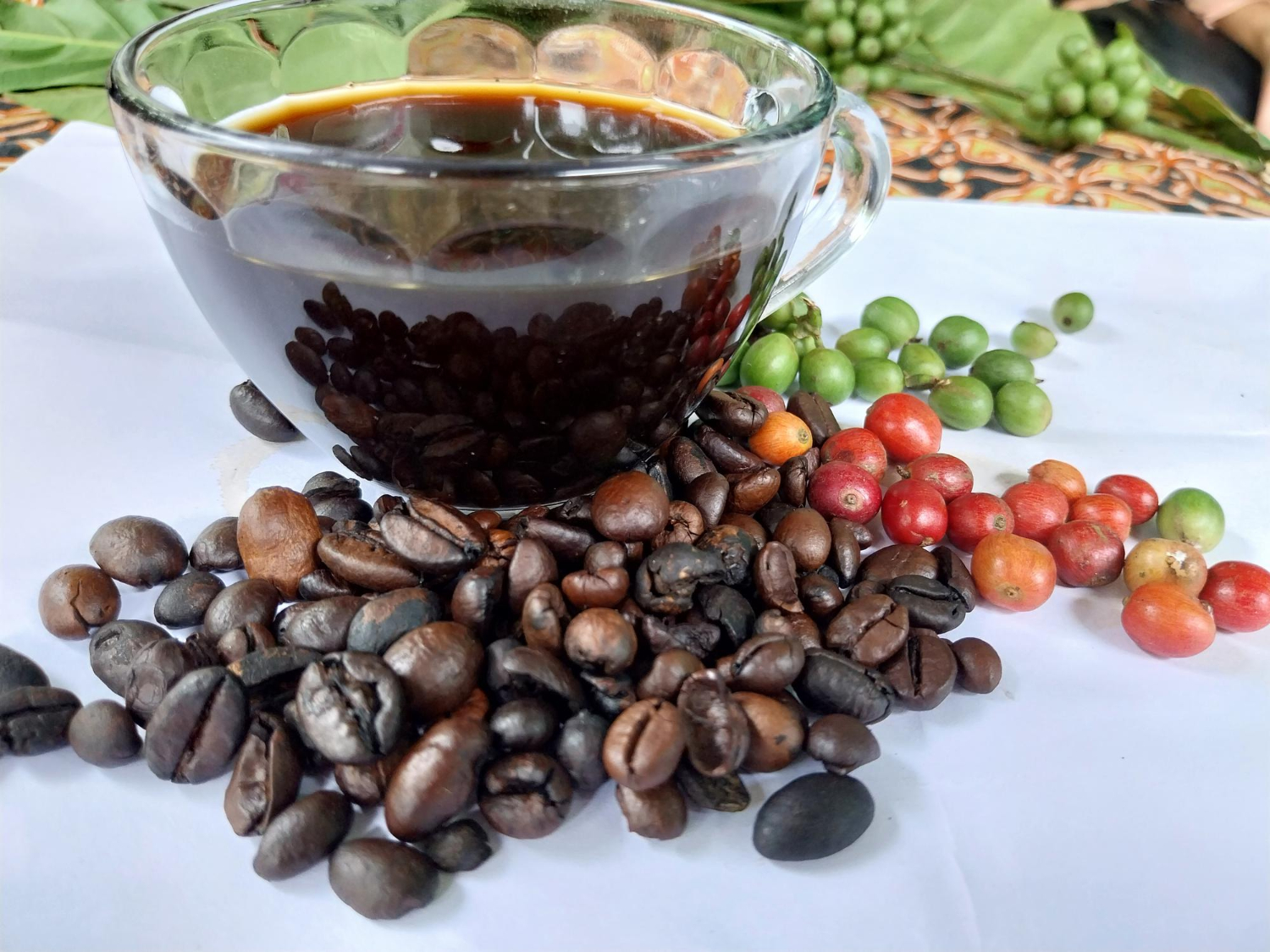
Mutation Of Bourbon — How Caturra Emerged
Discovered as a natural mutation of Bourbon, Caturra inherits Bourbon’s sweetness and balance while adding a dwarf growth habit. The shorter internodes make the tree more compact, enabling greater tree density per hectare and improving harvest efficiency. As coffee production expanded across Latin America, agronomists and farmers embraced Caturra for its yield potential and its ability to produce clean, crowd-pleasing cups with proper picking and processing.
Today, Caturra remains common in Colombia, Brazil, and Central America. While newer hybrids and disease-resistant cultivars have entered the landscape, Caturra continues to anchor many farms—especially where producers target specialty-grade washed profiles or use Caturra as a blending base to add sweetness and structure.
Lineage
Adoption
Cup Style
Shorter Plant, Higher Yield — Agronomy That Works
The compact habit allows higher planting densities, but success still depends on site selection, soil fertility, and pruning cycles. Caturra responds well to balanced shade and consistent nutrition; selective picking remains essential to keep acidity lively and defects low. Because higher yields can stress trees, farms should monitor leaf health, node regeneration, and post-harvest recovery to maintain cup quality year-to-year.
For buyers, these agronomy details show up in the cup. Clean lots have sweetness-first structure with citrus or stone-fruit highlights and a chocolate/nut finish. If picking is rushed or drying uneven, cups tilt woody or flat. That’s why we prioritize traceability (farm or cooperative + wet mill) and drying notes on every offer.
Spec Snapshot — Evaluating Caturra Lots
| Parameter | Target | Why It Matters |
|---|---|---|
| Elevation | ≈1,200–1,900+ m.a.s.l. | Cool nights preserve acidity and aromatics. |
| Moisture | ~10–12% | Roast consistency and shelf stability in Malaysia. |
| Process | Washed (typical), with naturals/experimentals available | Washed maximizes clarity; naturals add fruit weight. |
| Drying | Raised beds/patios, covered in rain/sun | Prevents phenolics, keeps sweetness and snap. |
Ask for picking criteria (°Brix or color charts), fermentation/soak protocol, and storage logs. These basics predict whether Caturra will taste sweet and clean months after arrival.
Taste Profile — Sweet, Balanced, Versatile
Classic Caturra offers caramel and chocolate-laced sweetness with citrus or stone-fruit accents (orange, tangerine, apricot), medium body, and rounded acidity. Clean naturals or controlled fermentations may layer in berry or tropical fruit while keeping the variety’s approachable core intact. Its versatility means Caturra can anchor blends, run as a daily filter, or work as a comfort-forward espresso.
- Washed Caturra: clarity + sweetness; orange/apricot with cocoa finish; ideal “daily driver.”
- Natural/Experimental: fruitier, heavier body; monitor cleanliness to avoid masking Bourbon sweetness.
- Blend Role: stabilizes sweetness and body; pairs with fruitier Ethiopias or nutty Brazils.
Filter Baseline
Espresso Baseline
Milk Guidance
Roasting Caturra — Build Sweetness, Protect Clarity
Caturra’s cell structure grants flexibility. For filter, use a steady Maillard to develop sugars while keeping end-temperature conservative to preserve citrus. For espresso, add a touch more development to reduce astringency and highlight caramel/chocolate. Watch for tipping/scorching with aggressive heat or for underdevelopment if charge is too low. In Malaysia, packaging and rest matter—filters often peak at 3–6 days, espresso at 7–12 days.
If acidity feels flat, shorten development or raise end-temp slightly. If cups taste papery, check storage/valves and re-cup for moisture migration.
Why Latin America Loves Caturra — Practical & Profitable
Across Latin America, Caturra helped modernize farm layouts: compact trees simplified selective picking and pruning, while higher density supported yields that made specialty-focused practices financially viable. On the market side, importers and roasters appreciate its reliability and versatility: it cups well as washed, adapts to experimental processing, and integrates beautifully into blends. For cafés, the flavor is approachable—sweet, clean, and familiar—making it an easy recommendation for daily drinkers.
Story Points
Pricing
Pairing
Buying Guide — From Offer Sheet To Cup In Malaysia
When evaluating Caturra offers, confirm farm/co-op and wet mill, elevation band, process, drying method, and arrival analytics (moisture ≈10–12%). Request fresh samples and cup promptly on your water. For everyday menus, prioritize clean, recent arrivals and traceable washed lots over obscure process labels. For features, shortlist single-farm microlots with exemplary drying logs.
Offer Matching
QC On Arrival
Operations
How Scofi Helps — Cup-Verified Caturra From Local Malaysia Stock
As Scofi (SOO HUP SENG TRADING CO SDN BHD), we keep a shortlist of Caturra green coffee that meets Malaysian roasters’ needs. We coordinate samples from local inventory to shorten lead times, verify lots on arrival, and arrange domestic delivery or pickup. Whether you need a reliable blend base or a clean single-origin feature, we focus on sweetness, clarity, and repeatability.
- Traceable proposals with elevation, process, and drying notes.
- Packaging recommendations (GrainPro/vacuum) to protect quality.
- Roast/brew baselines tailored to your equipment and water.
Explore Bourbon, Typica, Pacamara, and Processing Methods.
Keep Exploring With Scofi
Samples, approval, delivery — step-by-step.
Budgeting for premium lots and features.
Why Malaysian buyers choose Scofi local stock.
Moisture, screen, defects, and cupping protocol.
FAQ — Caturra Arabica
1) What is Caturra’s lineage?
2) Why do farmers plant Caturra densely?
3) What flavors define clean Caturra?
4) Is Caturra popular in Latin America?
5) What processing is most common?
6) Any roasting guidance for Caturra?
7) How should I evaluate offers?
8) Does high yield reduce quality?
9) How does Caturra perform in blends?
10) Can Scofi supply Caturra now?
Ready To Sample Caturra For Your Daily Filter Or Blend?
Tell us your flavor target, volume, and budget — we’ll shortlist traceable Caturra, send local samples, and arrange domestic delivery or pickup.