
Organic Arabica Coffee — Certification, Market Demand, and Farming Trade-offs
“Organic” on a bag signals audited farming and traceability. Here’s what defines organic certification, how demand influences pricing, and the practical pros & cons for Malaysian roasters choosing consistent, great-tasting green coffee bean.
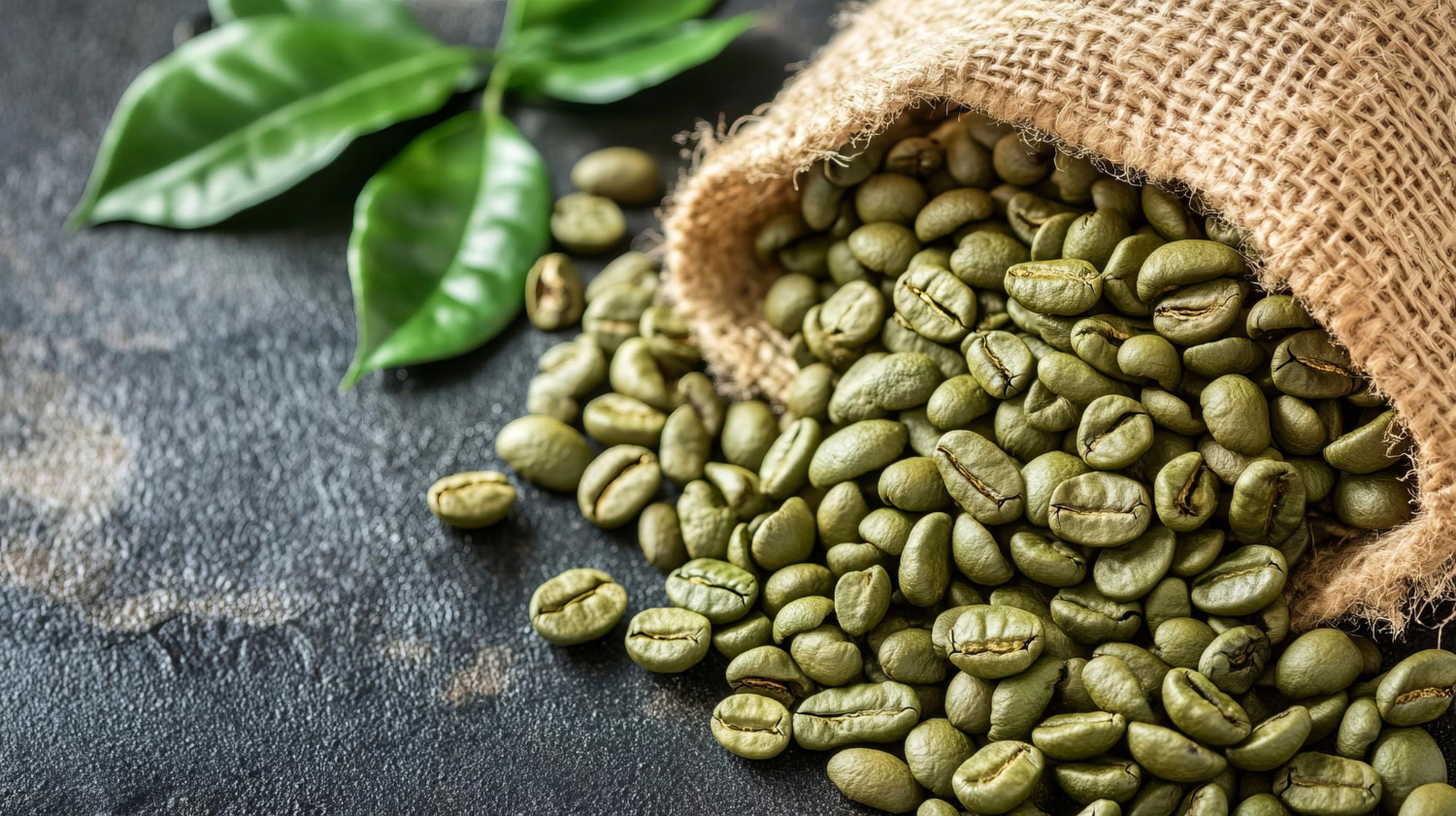
What Defines Organic Certification In Arabica Coffee
Organic certification verifies that prohibited synthetic inputs (certain fertilizers, herbicides, pesticides) were not used, and that the farm and supply chain followed audited practices protecting soil, water, and biodiversity. Lots are kept segregated and traceable from farm to mill to exporter/importer to roaster.
Programs vary by country but share intent: build soil with organic matter, manage pests through integrated approaches, protect waterways, and keep a paper trail that auditors can verify. Co-ops and estates operate internal control systems (ICS) to ensure smallholders comply year-round, not just on audit day.
| Area | What Auditors Check | Buyer Relevance |
|---|---|---|
| Inputs | No prohibited synthetics; approved amendments; application logs | Aligns with health/environment values; cleaner residues |
| Soil & Water | Compost/mulch, erosion control, buffer zones | Supports long-term farm resilience and flavor potential |
| Pest Management | Cultural controls, traps, biologicals; spray logs | Signals stable supply and fewer defect spikes |
| Traceability | Lot codes, mill separation, mass balance | Essential for compliance and label integrity |
| Conversion Period | Years of compliant practice before certification | Explains true certified availability and premium |
Request lot codes, mill separation logs, and arrival QC in Malaysia to protect label claims and brand credibility.
Market Demand For Organic Arabica — What Malaysian Buyers Should Know
Demand for organic Arabica tracks urban, premium café segments where customers pay for environmental care, farmer welfare, and perceived health benefits. In Malaysia, interest is strongest among pour-over bars, eco-oriented cafés, and retail beans for informed home brewers.
Organic often carries a premium, but cup quality still leads. Organic lots with mediocre processing underperform clean, non-certified specialty lots at similar prices. The strongest programs pair organic compliance with disciplined post-harvest: selective picking, controlled fermentation, and careful drying.
| Menu Context | Why It Resonates | What To Communicate |
|---|---|---|
| Retail beans | Clear value signal; take-home storytelling | Farm story, certification, process, tasting notes |
| Filter flights | Aromatics showcase clean farming + processing | Elevation, drying method, descriptors |
| Milk beverages | Premium positioning with sustainability message | Blend story and consistency guarantees |
Scofi stocks and coordinates in Malaysia. Sample organic and conventional lots side-by-side and approve domestically.
Pros & Cons Of Organic Farming For Arabica
Organic is a farming system, not a flavor guarantee. The best outcomes combine ecological practices with clean processing and strong mill discipline. Use these trade-offs when planning your menu and budgets.
Pros — Soil Health & Resilience
Organic matter, mulches, and shade systems improve structure, water retention, and nutrient cycling—supporting consistent yields and cup potential.
Pros — Market Differentiation
Certified lots add a values-based story for retail and corporate buyers, often unlocking better shelf placement and loyalty.
Pros — Reduced Synthetic Inputs
Lower risk of chemical residues and runoff; aligns with environmental goals and worker safety priorities.
Cons — Yield & Cost Pressures
Conversion periods and input limits can reduce yields; audits and segregation add admin costs reflected in premiums.
Cons — Pest & Disease Risk
Warmer, wetter seasons elevate leaf rust/CBB pressure; robust IPM and canopy management are essential.
Cons — Cup Variability
When processing capacity is stretched, drying/fermentation slip-ups can flatten cups. Vet mill SOPs and arrival QC in Malaysia.
How To Source Organic Arabica With Confidence
- Define menu role: filter feature, retail hero, or milk-forward espresso base.
- Set spec targets: elevation, process, cup score, moisture ≈10–12%, screen size.
- Request documents: certificate scope, lot codes, mill separation, ICS notes.
- Sample & test roast: protect aromatics for washed; manage naturals for clean fruit.
- Arrival QC in Malaysia: re-check moisture/cup to confirm match with pre-shipment samples.
- Packaging: choose GrainPro or vacuum for longer warehouse cycles; jute for fast turnover.
| Checklist | Target |
|---|---|
| Moisture (arrival) | ≈10–12% |
| Traceability | Lot code + mill separation |
| Cup score | ≥ 84 for single origins |
| Process notes | Fermentation/drying SOPs |
| Packaging | GrainPro/Vacuum if slow turnover |
Common Myths About Organic Coffee — Set Expectations Clearly
Myth 1: Organic automatically tastes better
Great cups come from ripe picking + clean processing. Certification supports sustainability; cup quality still depends on execution.
Myth 2: “Chemical-free” means zero inputs
Organic farms use inputs—approved ones. They also manage soil biology to unlock nutrients naturally.
Myth 3: All organic premiums are equal
Premium size varies by region, certification cost, and cup. Some origins carry strong premiums; others are modest.
Keep Exploring With Scofi
Organic, Fair Trade, RFA—what each label covers.
Fertility, volcanic vs sandy soils, mineral effects.
Traditional/modern practices and traceability.
Washed, natural, honey, experimental.
Samples, approvals, domestic delivery in Malaysia.
Local stock, arrival QC, rapid sampling.
FAQ — Organic Arabica Coffee
Does organic certification guarantee better flavor?
What documents should I request from a supplier?
Are organic beans more expensive?
Is organic the same as pesticide-free?
Can organic work for milk-heavy espresso menus?
How do I avoid “flat” organic cups?
What about organic blends?
Can Scofi supply certified organic lots?
Plan Your Organic Program With Scofi
Tell us your flavor targets, certifications, and budget. We’ll shortlist organic Arabica lots, send Malaysia-local samples, and arrange delivery or pickup.