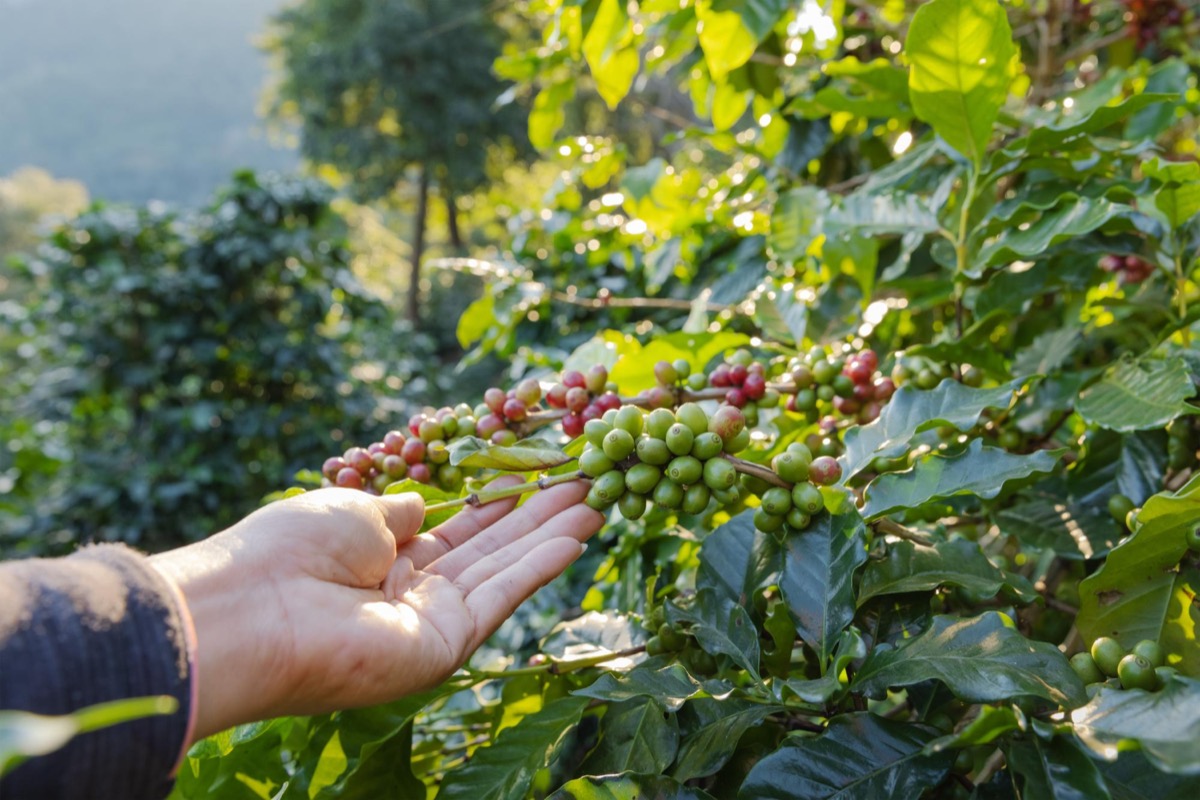
Why soil fertility and structure matter
Soil is both pantry and plumbing: it stores nutrients, controls water, buffers pH and hosts the microbes that help roots absorb minerals. Balanced fertility and well-drained soil support steady growth, even cherry development and clean flavour. Compacted or waterlogged soil restricts oxygen and root depth, raises disease pressure and gives inconsistent cups.
- Organic matter: fuels microbial life, improves cation exchange capacity (CEC) and holds moisture.
- Structure and porosity: lets roots breathe and prevents oxygen-poor pockets.
- Drainage: moves excess water away; mulches slow evaporation and temperature swings.
- pH balance: Arabica generally prefers slightly acidic soil (about 5.3–6.5) for nutrient availability.
Farms that invest in organic matter, contouring and mulches tend to deliver more stable scores across harvests. Ask for farm notes on every offer: see how to buy.
Volcanic soil vs sandy soil
Soil “type” is really a cluster of traits: particle size, mineral origin, organic matter and depth. Two common coffee contexts are volcanic soils (young, ash-derived, often andisols) and sandy soils (coarser, lower in organic matter).
| Attribute | Volcanic (andisols) | Sandy |
|---|---|---|
| Texture and organic matter | Fine, high organic matter potential, high CEC; spongy structure | Coarse, low organic matter, low CEC; dries fast and leaches nutrients |
| Water behaviour | Good retention and drainage; stable moisture in the root zone | Rapid drainage; needs frequent irrigation or organic matter |
| Nutrients | Strong nutrient-holding; phosphorus fixation possible, managed with organic P | Low holding capacity; N, K, Ca and Mg supplements essential; losses after heavy rain |
| Typical cup tendencies* | Layered sweetness, clarity, citrus and stone fruit when climate and processing align | Comforting chocolate-nut at lower elevations; brightness depends on climate and variety |
*Soil is one factor. Elevation, variety, shade and processing remain decisive. See altitude impact and processing methods.
Soil minerals and bean flavour
Minerals do not flavour beans like spices. They shape plant metabolism and cherry development, which influences sugar build-up, acid composition and seed density, and so sweetness, clarity and mouthfeel.
- Potassium (K): supports sugar transport; adequate K correlates with sweetness and body when not over-applied.
- Calcium (Ca): strengthens cell walls; linked to seed structure and better roasting behaviour.
- Magnesium (Mg): central to chlorophyll and photosynthesis; supports balanced acidity.
- Phosphorus (P): root vigour and flowering; fixation in volcanic soils calls for organic P strategies.
- Micronutrients (B, Zn, Mn, Cu): critical for enzymes and fruit set; deficiency means poor fill and uneven cups.
Farms that test soil and feed leaves carefully tend to deliver repeatable profiles. Ask for agronomy notes on offers from Ethiopia, Latin America and Asia-Pacific.
Practical soil management in quality lots
Organic matter and cover
Compost, leaf litter, prunings and cover crops build organic matter and CEC, stabilise moisture and buffer nutrients across seasons.
Contour and mulch
Terraces, swales and mulches slow runoff, reduce erosion and keep roots cooler in hot spells.
Targeted nutrition
Soil and leaf testing guides N-P-K and micronutrient applications, timed to flowering and fruit fill. For certified programmes, see certifications, organic Arabica and sustainable farming.
Spec checklist for buyers in Malaysia
| Spec | What to ask | Why it matters |
|---|---|---|
| Soil type | Volcanic or sandy or loamy; depth and drainage | Predicts moisture stability and plant vigour |
| Organic matter | Percentage or practices (mulch, compost, cover crops) | Supports microbes, nutrition and water holding |
| pH and CEC | pH range; CEC if available | Nutrient availability and buffering |
| Nutrition plan | K, Ca, Mg and micronutrient strategy and timing | Sugar development and seed structure |
| Erosion control | Terracing, contouring, mulching | Root stability and long-term consistency |
| Post-harvest | Drying method, rain cover, target moisture 10–12% | Cup cleanliness and shelf life |
| Packaging | Jute, GrainPro or vacuum | Humidity protection in Malaysia |
Next: how to buy, storage tips and packaging options.
FAQ: Soil and coffee flavour
What soil pH does Arabica prefer?
Slightly acidic soil, about pH 5.3–6.5, where nutrients are most available to the roots.
Is volcanic soil better for coffee?
Often, yes. Young volcanic soils hold moisture and nutrients well and drain properly, which supports steady growth and layered sweetness. But altitude, variety and processing still decide the final cup.
Can coffee grow well in sandy soil?
Yes, with care. Sandy soil needs more organic matter, mulch and fertiliser because it drains fast and holds few nutrients.
Do minerals change how coffee tastes?
Indirectly. Nutrients such as potassium, calcium and magnesium affect sugar build-up, seed density and acid composition, which influence sweetness, clarity and mouthfeel.
What soil practices signal a quality farm?
Compost or mulch, cover crops, contour planting, soil and leaf testing, and erosion control.
How does soil affect roasting?
Dense, healthy-grown seeds roast more evenly and give clearer extraction windows.
What soil information should buyers ask for?
Soil type, organic matter practices, pH or CEC if available, nutrition plan and erosion control, along with process, moisture and packaging.
Does organic coffee mean better soil?
Organic standards require soil-building practices, but flavour still depends on processing and mill discipline. See organic Arabica.
