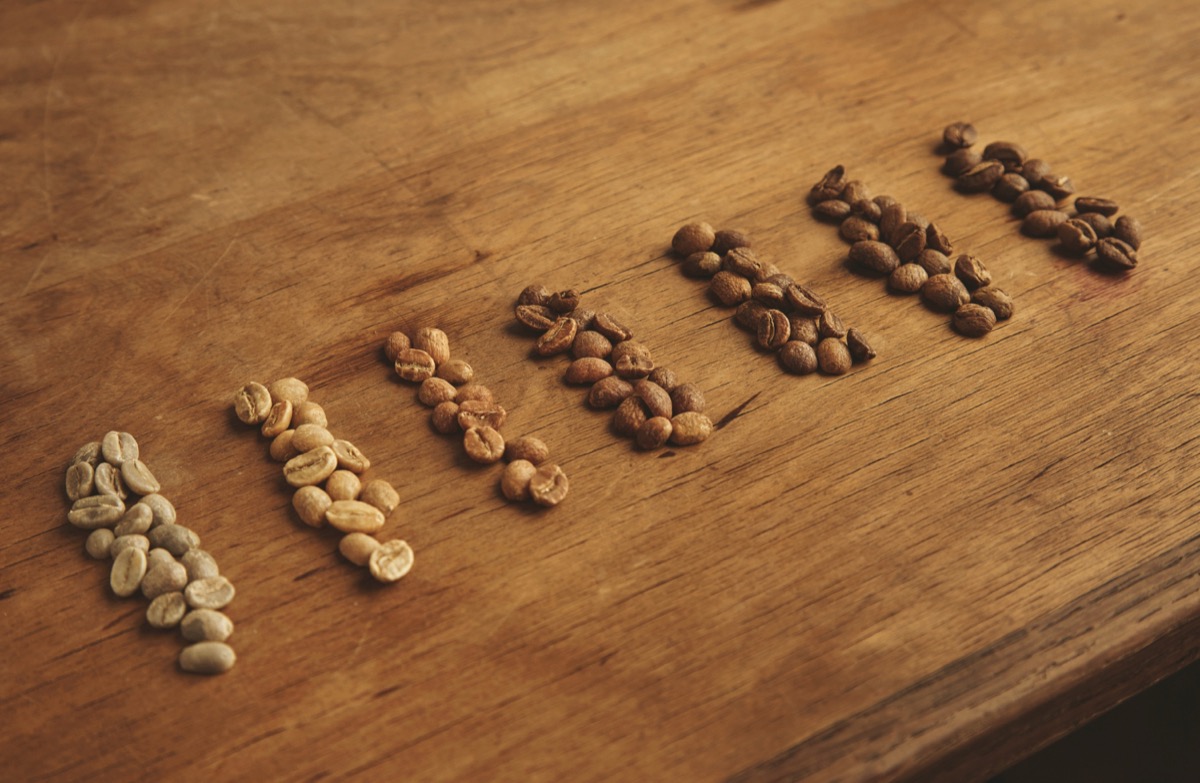
Acidity vs bitterness — what people actually taste
Scofi (Soo Hup Seng Trading Co Sdn Bhd) supports Malaysian roasteries and cafés with Malaysia-local green coffee stock, specs, and sampling so you can dial your roast strategy faster.
In coffee, “acidity” is often a sensory term for brightness—citrus, berry, apple, or wine-like notes—rather than stomach acid. “Bitterness” is a taste sensation often linked to over-roasting, over-extraction, or naturally higher bitter compounds. Light roasts can taste bright, but they can also taste sour if under-extracted. Dark roasts can taste chocolatey, but they can also become harsh if pushed too far or extracted too long.
This is why cafés should avoid labeling light roast as “sour” and dark roast as “strong” without context. Most guest reactions come down to: extraction quality, brew method, and serving size—not roast colour alone.
- Acidity (Bright): Feels like citrus/fruit sparkle; often desirable in filter and modern espresso when balanced by sweetness.
- Sourness (Fault): Often under-extraction—fix with grind, temperature, time, and recipe before changing roast level.
- Bitterness (Risk): Often over-extraction or too-dark roasting—fix by tightening recipe and avoiding roast harshness.
Light roast Arabica — clarity, florals & high definition flavour
Light roast is the best stage for Arabica’s delicate aromatics: jasmine, bergamot, stone fruit, and clean citrus. It’s popular in specialty filter bars because it preserves origin character. In Malaysia, light roast is increasingly embraced by customers who enjoy pour-over flights, tasting notes, and origin transparency—especially in urban specialty cafés.
The challenge is extraction. Light roasts can be denser and less soluble, meaning they need: a stable grinder, well-managed water temperature, and a recipe designed for full extraction. When those elements are missing, light roast can taste sharp or sour. With correct brewing, it becomes sweet, bright, and tea-like rather than sour.
What light roast is best for
- Pour-over & batch brew: clean, aromatic, tea-like cups.
- Single-origin storytelling: origin and processing notes remain visible.
- Modern espresso: works well when dialed carefully; often best with smaller milk ratios.
- Origins that shine: Washed Ethiopia and high-elevation lots excel. Explore Ethiopia Origin.
- Processing matters: Washed tends to be clean and bright; naturals add fruit/body. See Processing Methods.
- Defects show up: Light roasts reveal defects more clearly. See Defect Detection.
Dark roast Arabica — comfort, roast notes & “Strong” perception
Dark roast is associated with boldness, chocolate, and smoky roast character. In many markets, “strong coffee” is conflated with dark roast, but strength is actually a function of recipe concentration and caffeine dose—not just roast colour.
Dark roasts can work well for certain café menus: traditional espresso, heavy milk ratios, and customers who prefer a familiar, bittersweet profile. However, dark roast can reduce origin clarity and increase bitterness risk—especially if roasted too far or extracted too long. For Arabica, the goal is to keep dark roasts clean and controlled, not burnt.
When dark roast fits
- Traditional espresso preference: roast-forward comfort, lower perceived brightness.
- High milk ratio drinks: roast notes remain present under milk sweetness.
- Value menus: stable, consistent taste expectations for mainstream audiences.
- Extraction control: Dark roasts extract fast—tighten recipes to avoid bitter over-extraction.
- Blend choices: Use chocolate-nut Arabicas as a base. See Latin America.
- Espresso context: Dial for body and sweetness. See Espresso Arabica.
Consumer preference in Malaysia — what’s popular and why
Malaysia’s café market includes both mainstream and specialty segments. Many customers still associate coffee with chocolatey comfort and choose medium to medium-dark roasts for milk beverages. At the same time, specialty consumers are increasingly drawn to light roasts in pour-over bars, especially for Ethiopian washed profiles and fruit-forward naturals.
Another driver is iced drinks. Iced lattes and iced long blacks can mute perceived acidity and highlight sweetness, which means a carefully roasted light-medium Arabica can perform well even for guests who say they dislike “sour coffee.” The key is balance and correct brewing.
| Malaysia Café Context | What Guests Want | Light Roast Fit | Dark Roast Fit |
|---|---|---|---|
| Specialty filter bars | Florals, fruit, tasting notes | Excellent | Weak (origin muted) |
| Milk-heavy cafés | Sweetness, body, comfort | Good if dialed, smaller milk ratios | Good if not harsh; roast-forward |
| Iced beverage focus | Smooth, sweet, not sharp | Good as light-medium, fruit-friendly | Good but can taste ashy if overdone |
| Mainstream audience | Familiar, bold taste | Needs education | Often preferred |
FAQ: Light vs Dark Roast Arabica
Is light roast always sour?
No. Sourness is often under-extraction. A well-brewed light roast should be sweet and bright, not sharp or thin.
Is dark roast always stronger?
Not necessarily. “Strength” depends on recipe concentration and serving size. Dark roast tastes bolder due to roast notes, but caffeine depends on dose and recipe.
Which roast has more caffeine?
Caffeine is relatively stable; recipe and serving size matter more than roast colour. Robusta typically has more caffeine than Arabica regardless of roast.
What roast do Malaysian guests prefer?
Many mainstream guests prefer medium to medium-dark for milk drinks, while specialty guests often prefer light roasts for filter and origin clarity.
What roast is best for iced lattes?
Medium or light-medium works well. Iced drinks can mute brightness, so balanced light-medium naturals or honey lots can shine.
Can a café offer both light and dark roast?
Yes—this is often best. Offer a filter feature (light) and a house espresso (medium/medium-dark), plus a decaf lane for inclusivity.
How do I reduce bitterness in dark roast espresso?
Tighten extraction: shorten yield, reduce time, and adjust grind. Avoid over-roasting and ensure beans are fresh and clean.
What origin works best for light roast?
Washed Ethiopia and high-elevation Central coffees often shine in light roast due to florals and clarity.
What origin works best for darker profiles?
Chocolate-nut Latin profiles often hold up better in more developed roasts for milk beverages.
Can Scofi help select lots for both roast lanes?
Yes. We shortlist Arabica lots for filter and espresso lanes, provide Malaysia-local samples, and support delivery or pickup with QC records.
